*After a year filled with uncertainty, hardship, and way too much time in front of the computer, the recipe for a surge in outdoor activity is clear: warm temps + the hope of a return to “normalcy.” Folks are venturing out into the streets, the foothills, and—as with any summer since the settling of SLC—Liberty Park.
The list of activities below has been adapted since its original publication in 2019. Addenda and additional notes from the other side of COVId will be bolded, including changes in operating hours.
Be it during our lunch break or post-brunch, one of our all-time favorite places to mill around is undeniably Salt Lake City’s centermost oasis, Liberty Park. And, judging by the population of said spot on any remotely sunny day of the week, it seems that teems of our city’s saltiest agree. There’s a veritable smorgasbord of activities to engage in here, and we like to think of this spot as a sort of “choose your own adventure” arena. Without further ado, here are a few of Liberty’s best things to do…
1. People watching: Because obviously. Perhaps humanity’s oldest pastime, the simple observation of other people doing things can somehow be the source of hours of fun. Liberty Park has the population of a small city on most weekends, and all you need do is post up on a bench or grassy patch and take in the grandeur. A few can’t-miss things to gander: the noble LARPers (usually standing steadfast in the northeast quadrant), the slack-liners (everywhere), and the drum circle (just follow the never-ending, Jumanji-esque beat). Better still, we imagine the post-quarantine style choices made this year will go down in history. We’ve been cooped up a long time, and folks are antsy to express themselves while also having a newfound respect for leisurewear. Will they emerge in tie-dye sweatsuits? Handmade cottage-core pinafores? A gown purchased in early 2020 that never saw the light of day? Euphoria-inspired makeup with a DIY mullet? We can’t wait to find out. For optimum afternoon enjoyment, BYO blanket, Bluetooth speaker, and Nalgene bottle (full of water, surely).
2. Farmer’s Market: Most locals are acquainted with the famed Downtown Farmers Market, but the Liberty Market is quickly climbing the ranks as a true contender. Fridays, June through October, from 4:00 pm to dusk, you can find some of SLC’s freshest produce, tastiest food trucks, and most delightful local wares. Last year saw some 87 vendors come through, so you’re bound to find the fixins you seek, and the free bike valet is a definite plus. Be sure to check out Art in the Park, every third Friday of the season, for gifts, knickknacks, and the like. The first summer 2021 Liberty Park Farmer’s Market is officially on the books! Help welcome our local vendors back Friday, June 11th, from 4:00pm to dusk.
3. Tracy Aviary: The largest and oldest of only two free-standing aviaries in the US, Tracy Aviary is a stellar place to stroll, observe, and appreciate nature’s majesty (without having to wander too far your zip code). Be sure to pay respects to Andy, the particularly striking Andean condor, and don’t miss the always-on-point flamingos.
4: Liberty Park Pool: Open Memorial Day through Labor Day every year, the Liberty Park pool is our very own slice of The Sandlot-style summer magic. There’s a slew of aquatic programs and classes available, and, at just $2.50 a day and $50 for an adult season pass, it’s highly unlikely you’ll snag a better deal for sun-soaked, chlorine-drenched summer fun (and, after all, isn’t that the best kind?). Liberty Park Pool officially opened for the 2021 season in late May. Reservations are available (and recommended) for June! SPF recommended, but not required for entry.
5: Athleticism: With several basketball, tennis, and volleyball courts, this park is sort of perfect for whatever level of athleticism you sport. For the solo types, the outer rings of the park serve as the perfect go-at-your-own-pace path for walking/running/biking/blading (and for the observer, there’s no better place to see folks making their maiden voyage on that pair of quarantine-purchased roller skates). The sand volleyball courts are a favorite amongst both Top Gun fans and people-watching types, but for a more low-key (though not necessarily less-competitive) match, make your way to the designated bocce ball or horseshoe arenas. We’re only keeping score if you are…
6: Pond ’n’ Paddle Boats: A central gathering spot of this central gathering spot, the over-sized pond at Liberty Park is chock full of birds of all sorts, each vying for whatever crust of bread you’re willing the spare (distribute at your own risk). It’s a lovely little place to gather and watch, and the rentable paddle boats are an added level of adorable. Cue up “Sittin’ On The Dock Of The Bay,” and settle in…
7: Rides! Corndogs! Perhaps one of Liberty’s quaintest features is this hidden-in-plain-sight mini amusement park. Simply referred to as “the rides” by locals, this area—essentially located smack-dab in the middle of the park—features a carousel, a swings ride, and a mini carousel, as well as a few other kid-sized attractions (one of our faves: the miniature train that runs up and down the center of the park’s main boulevard, filled with ecstatic kiddos and one very patient conductor). The concessions stand (open 11am-7pm) actually slings high-quality, remarkably delish corndogs, burgers, custard, and more, but we think the overall charm of this place alone is worth the price of admission.
8. Proximity to…everywhere: Located just off 700 E between 9th and 13th South, Liberty Park is pretty much as centrally located as it gets in this fair town. Translation: it’s walkable to (and from) oh-so-many of our favorite salty spots. Hungry? Tradition, Manoli’s, and The Park Cafe are within almost literal spitting distance. Looking for a post-walk shop? All the goods of 9th & 9th are just a few blocks away. With the right footwear, you can hit all your fave spots and be home by dinnertime.
9: Dogs: Whether or not you count yourself an animal lover, chances are you can’t resist the cuteness overload of a frolicking park pup. Set that doggo after a frisbee—or, better yet, put it in a BabyBjorn?!—and we’re apt to stop mid-walk to fawn all over it. Good Boys abound at Liberty Park, and whether you’re strutting your mutt or just enjoying the scenery, it’s pretty hard to not have a good day here.
We couldn’t count all the things we love about Utah on all the fingers and toes in the world, but one of those things is absolutely, unequivocally, without-a-doubt the stunning structures that call her home. From Bountiful to Bluff, mountainside cabins to modern retreats, we think the diversity of our structures is a thing of beauty (and a legacy that would be a shame to lose), and who better to name a few architectural spaces of notes than the folks who work to create them? That said, we recently asked a few local architects for some of their favorite spots in the Beehive.
Got a favorite of your own? This year marks AIA Utah’s 100th anniversary, and to celebrate, they’ve created an open-to-the-public poll of Utah’s greatest created spaces. Head to “Utah’s 100 Best Buildings Poll” to cast your vote! Results will be posted in September.
Franklin Ferguson (FAIA, retired, one of FFKR Architects founding partners)
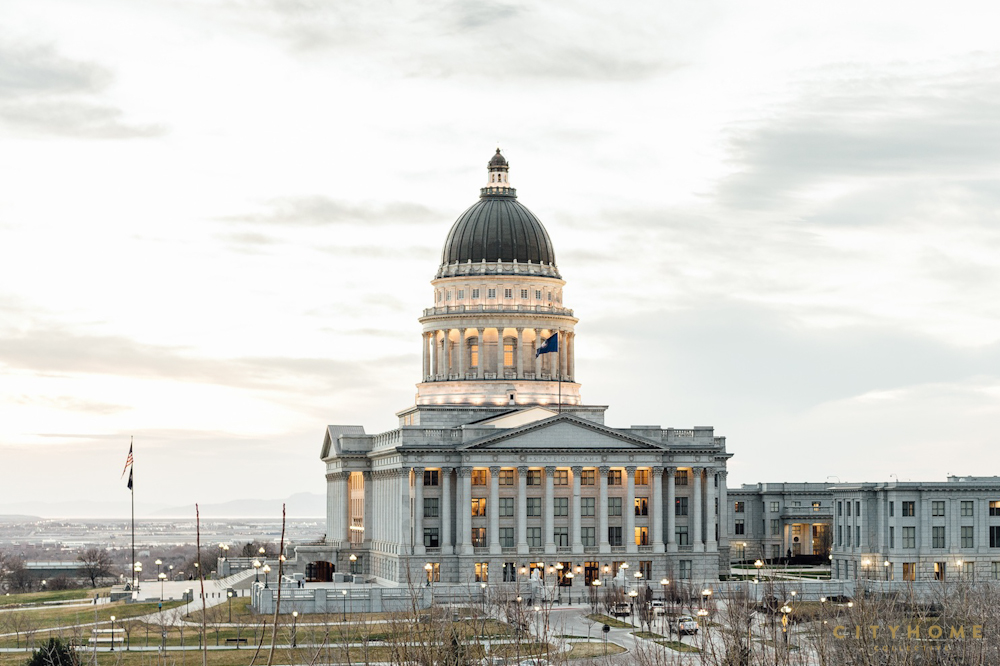
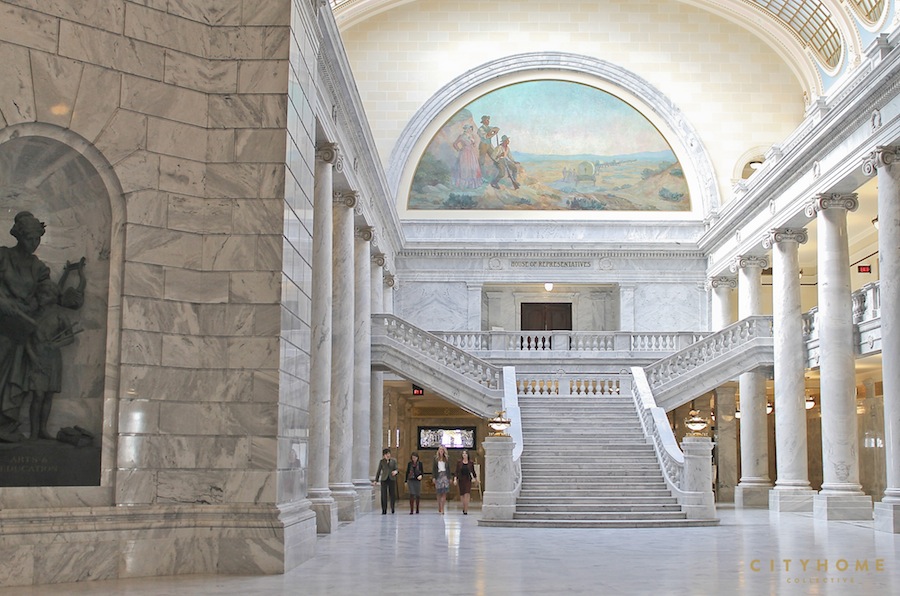
State Capitol Building, built 1912-1916, designed by Richard K.A. Kletting
“The consistency of the elements used throughout – from the classical ornamental details to the marble construction materials — are truly remarkable,” Ferguson says. “It’s a clear, purposeful, simple idea made in a time when architects were a one-man-show, long before architecture became a corporate practice.”
ANNE MOONEY (SPARANO + MOONEY ARCHITECTURE)
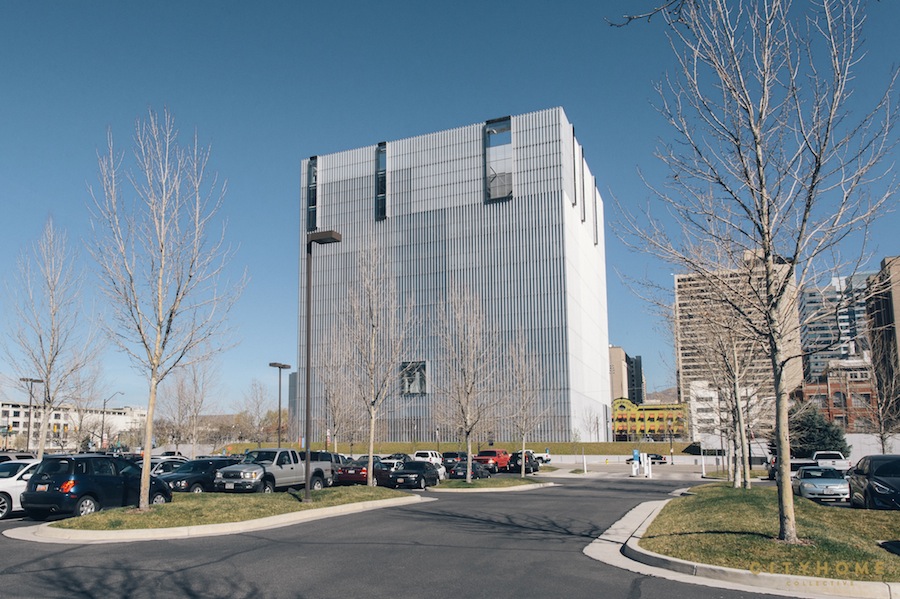
The US Courthouse, completed 2014, designed by Thomas Phifer & Partners
“The courthouse is a great example of a building with its program expressed powerfully in the façade as well as the interior spaces. The form embodies the ideals of a civic building: transparency, strength, equity, and also the intensity of the experience of appearing in a federal courtroom with its extreme scale, entry, and deep spaces on the interiors.” (Photo courtesy rci.com)
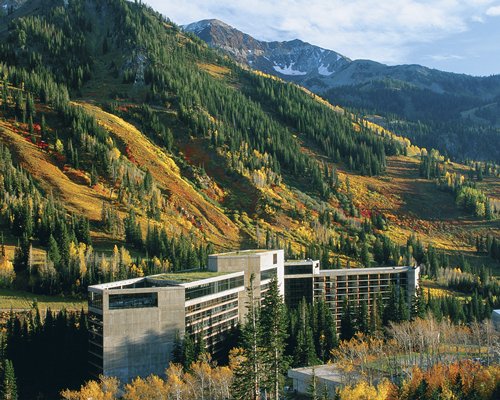
Snowbird Resort in Little Cottonwood Canyon, completed early 1970s, designed by a myriad of incredible Utah architects, including Jack Smith, Robert Bliss, James Christopher, Martin Brixen, and Enteleki
“It’s a timeless example of modern architecture in a mountain setting. The materiality of the brutalist building, concrete and wood, continue to inspire modern buildings we design.
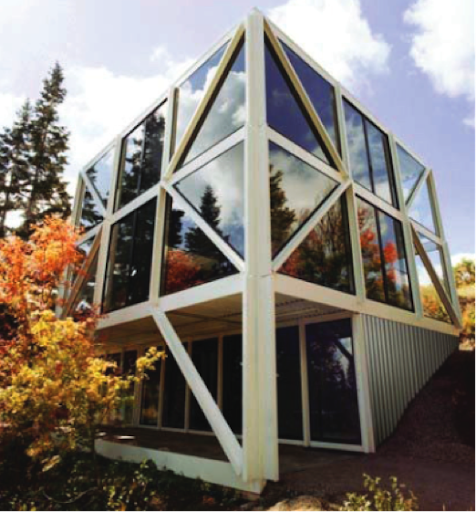
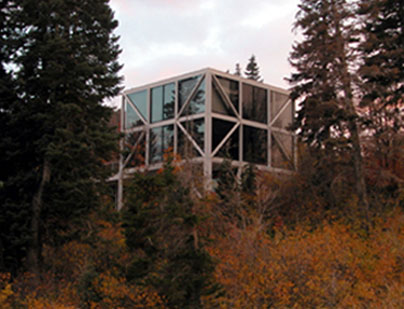
John Sugden House in Summit County, built 1984, designed by John Sugden
“It’s one of the best examples of John Sugden’s work, and his lineage working under the master Mies Van der Rohe. The steel and glass cube sits on a forested mountainside, an object placed within its landscape context.” (Photo courtesy of utahcfa.org)
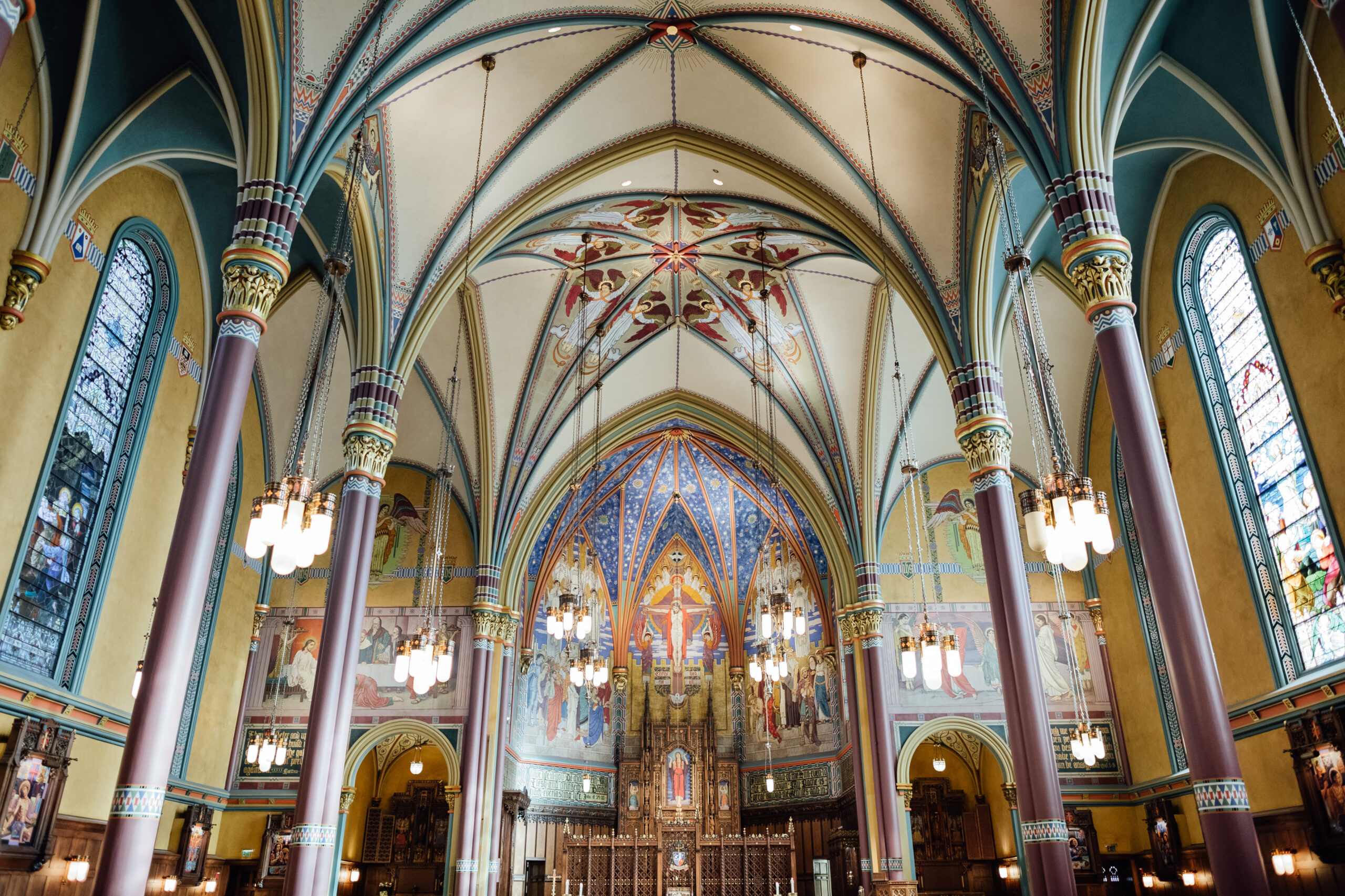
The Cathedral of the Madeleine, completed 1909, designed by Carl M. Neuhausen and Bernard O. Mecklenburg
With its predominately Romanesque exterior and Gothic interior, [this church, restored in the 1990s], has been a cornerstone of downtown Salt Lake City for over a century, and is an important part of Utah’s history.
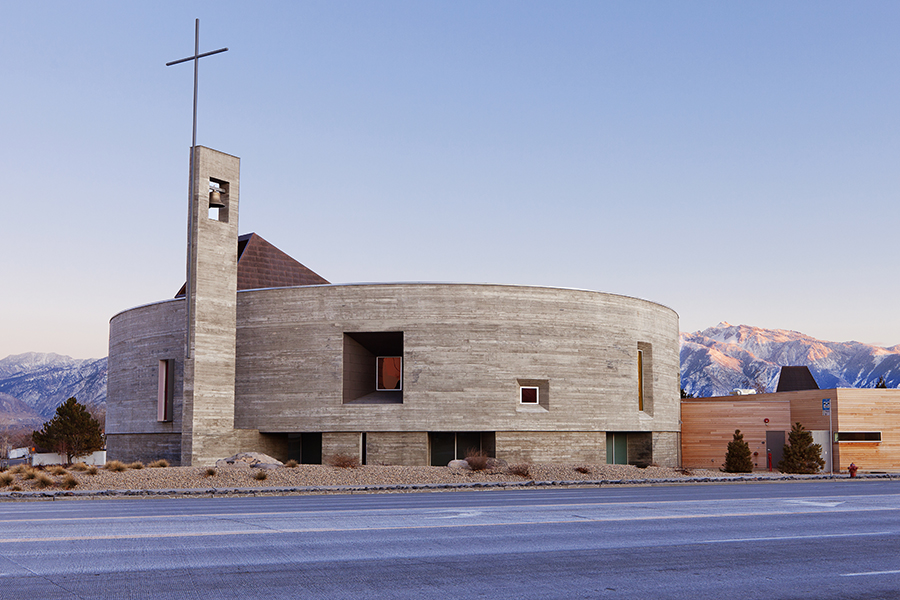
Saint Joseph the Worker Catholic Church, completed 2015, designed by Sparano + Mooney Architects
This is one of our favorite public buildings that we designed. Its use of board form concrete, wood, and copper panels is inspired by the community it serves in West Jorden, Utah. The materials reference the parish’s mining and construction history, and the use of these elements expresses how ordinary materials can be extraordinary. (Photo courtesy sparanomooney.com)
Warren Lloyd (Lloyd Architects)
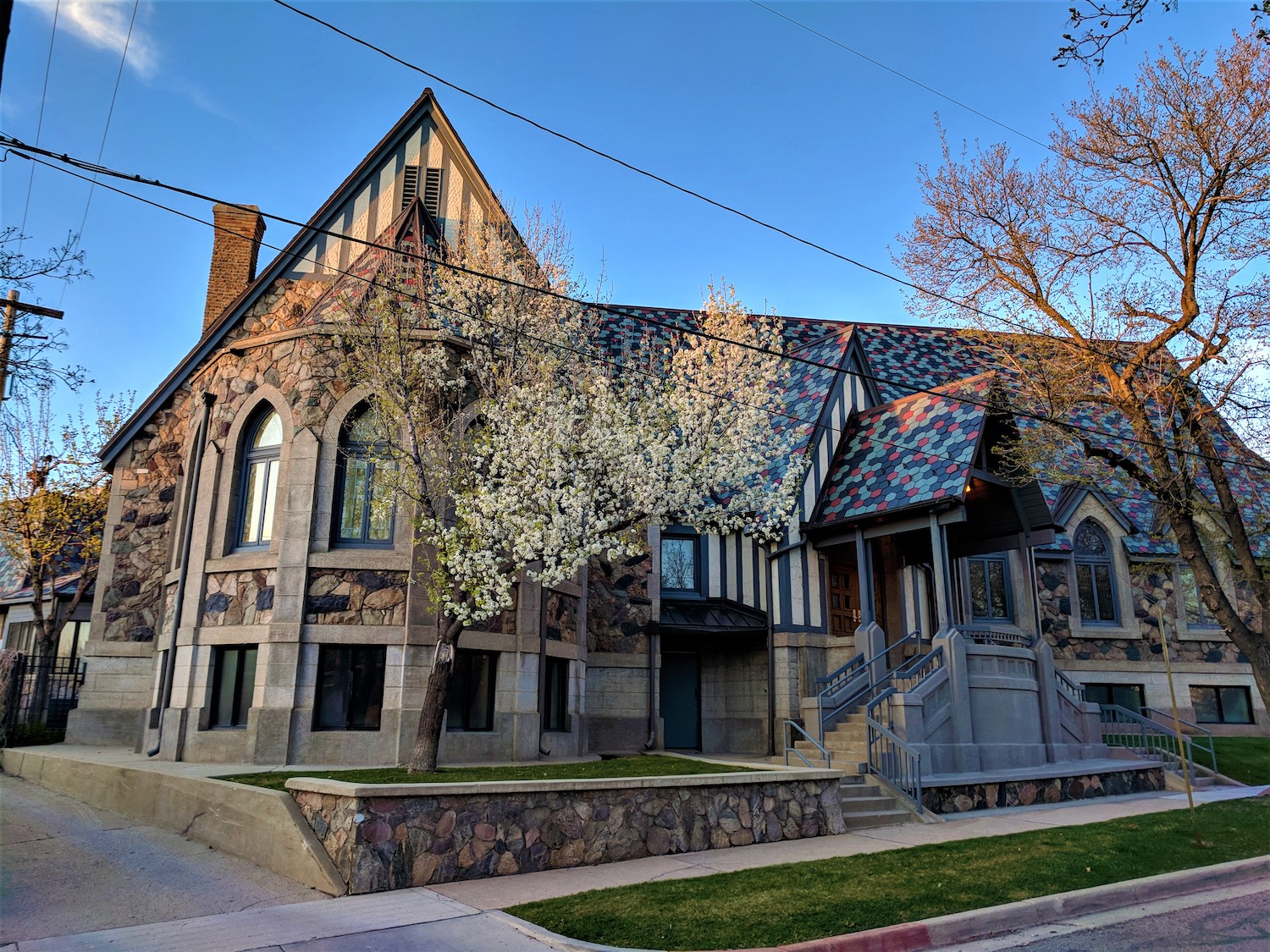
Capitol Hill ward building, built 1928, designed by Ashton and Evans
“The Gothic Revival style from the ‘20s was beautifully sited in the shadows of this Capitol Hill building. I grew up in the neighborhood and my great grandfather was the contractor on the building, which was sensitively restored by CRSA within the last twenty years.” (Photo courtesy jacobbarlow.com)
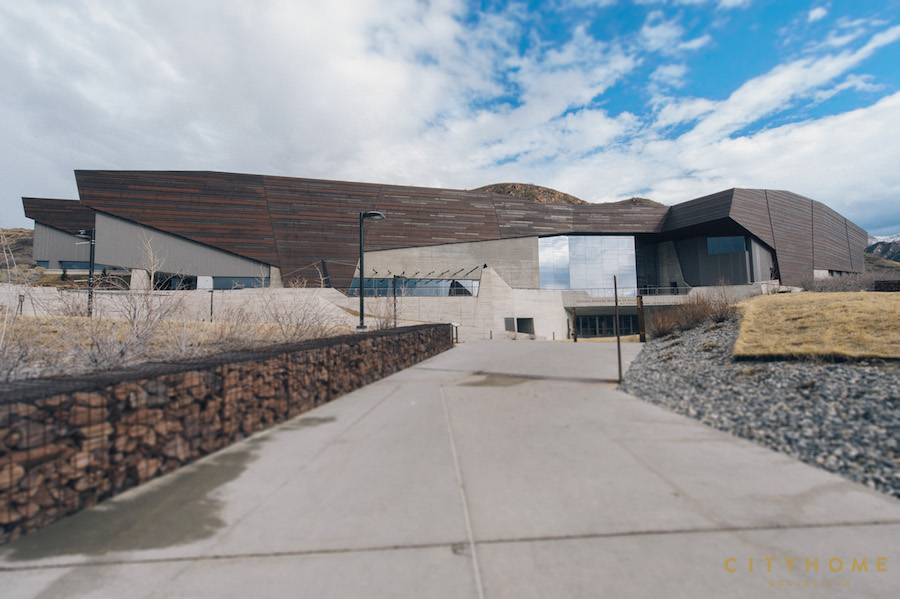
Utah Museum of Natural History, built 2011, designed by Ennead Architects and GSBS Architects
“Great work done by Ennead and GSBS. It’s a large building to site in a foothill area, but their use of materials (copper, etc) create a beautiful border between the city and the foothills.”
John Sugden Summit Park house (or “Cube House”), built 1984, designed by John Sugden
“Such a clear design diagram and one of the few modernist glass and steel buildings from Miesian modernist roots (Chicago school) in Utah. This is one very important building in Utah’s architectural history!” (Photo courtesy utahcfa.org)
Chris Price (KLIMA Architecture)
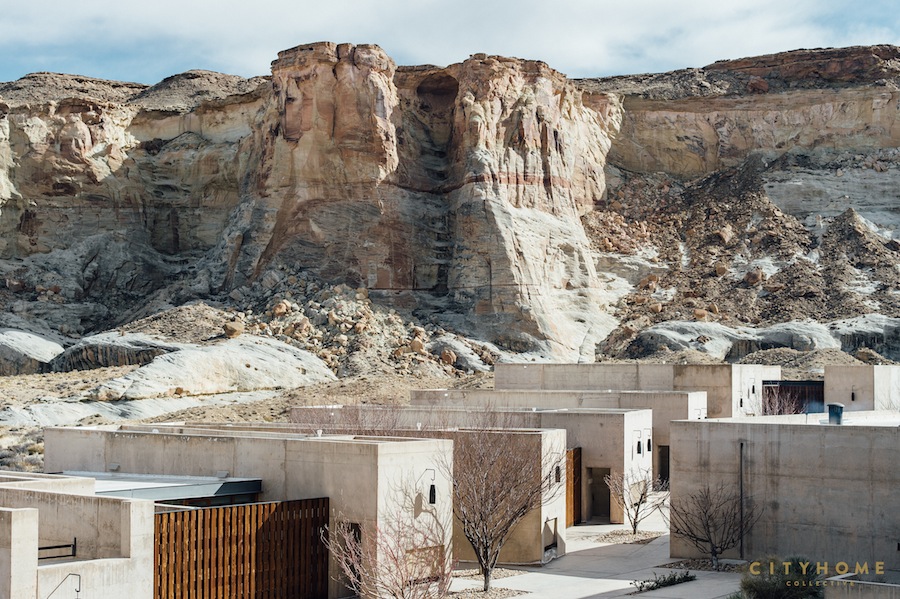
Amangiri, built 2009, designed by Marwan Al-Sayed, Wendell Burnette, and Rick Joy
You know why, but in case your readers don’t: Because this project is inspired by the site it sits in, from the materials to the forms to the details. I also love everything Rick Joy.
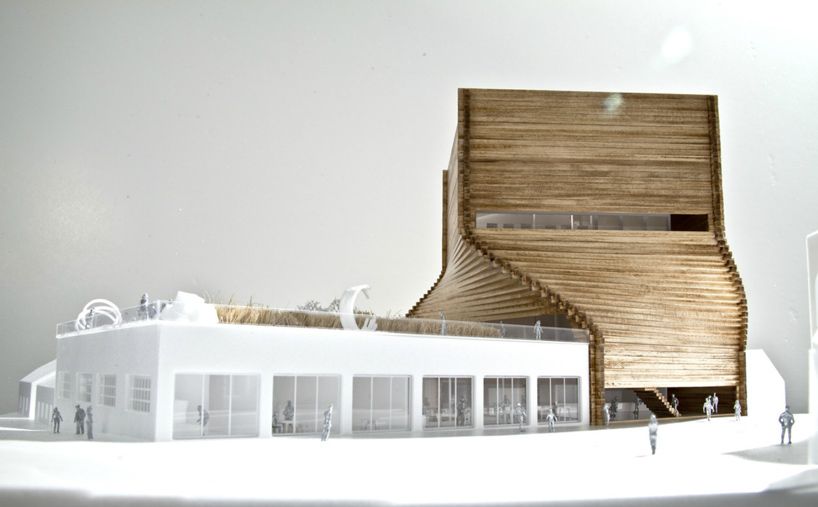
Unbuilt Kimball Arts Center, designed by Bjarke Ingles Group (BIG)
I love this because it shows what happens when we try to bring forward-thinking, site-driven, inspired architecture into a community that is stuck in the past. It makes no sense to build all cars in the same shape and size as the Model-T in today’s world; technological improvements have been made and therefore cars look different from 100 years ago. To me, this is the same issue we see in architecture. We build things differently today than in any other time in history, and therefore we should be true and honest to our modern means and methods in both form and function. (Image courtesy BIG)
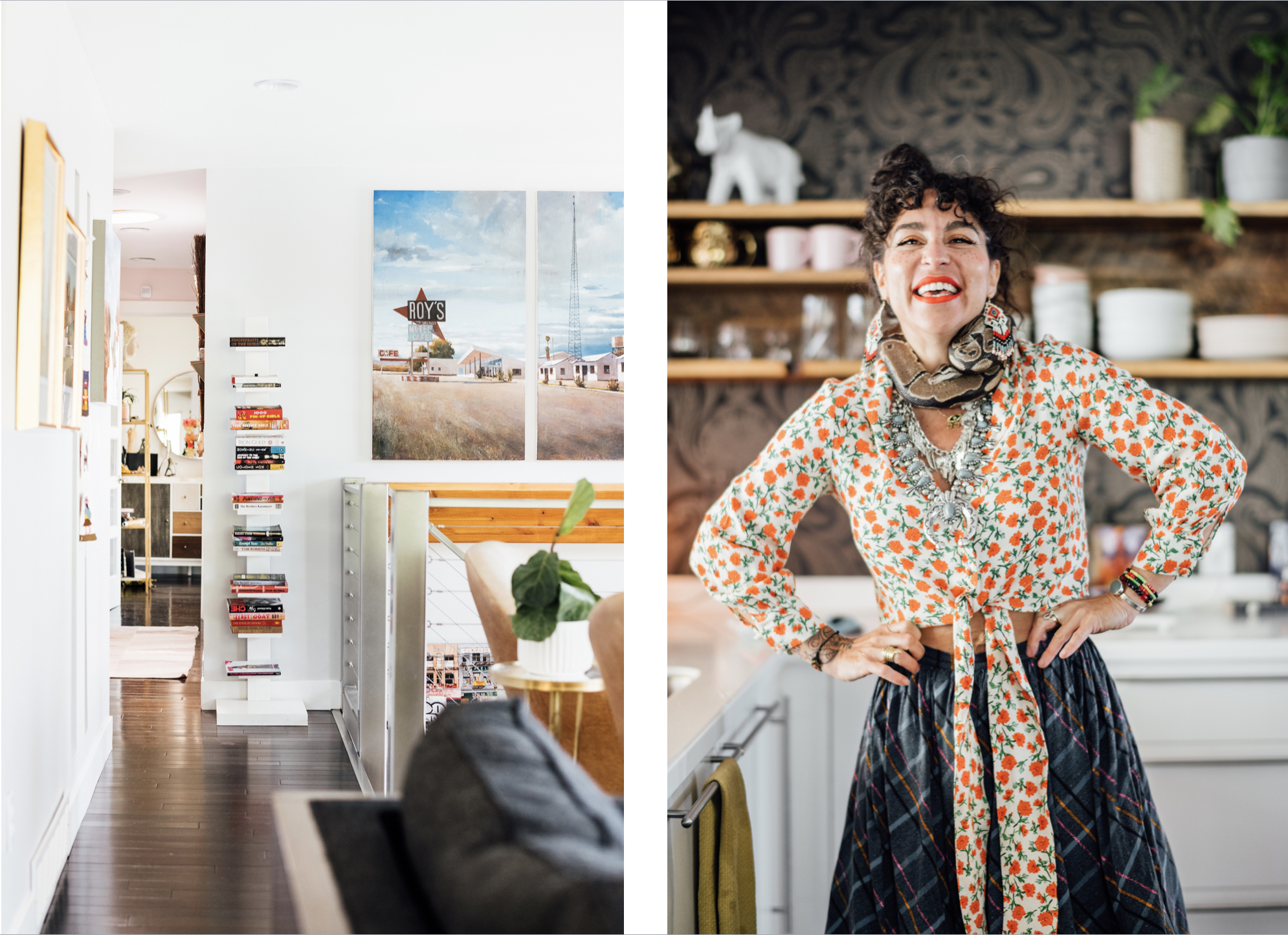
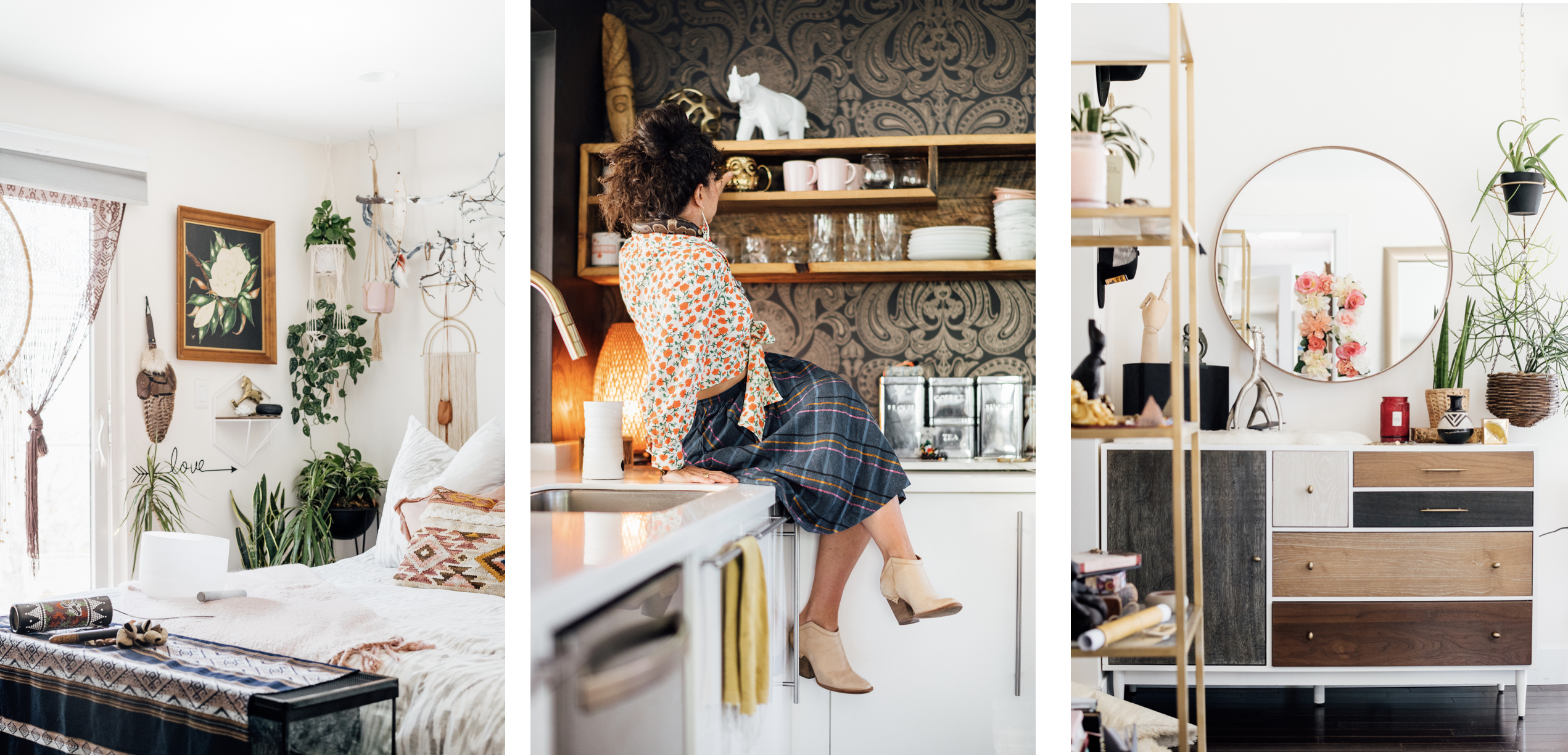
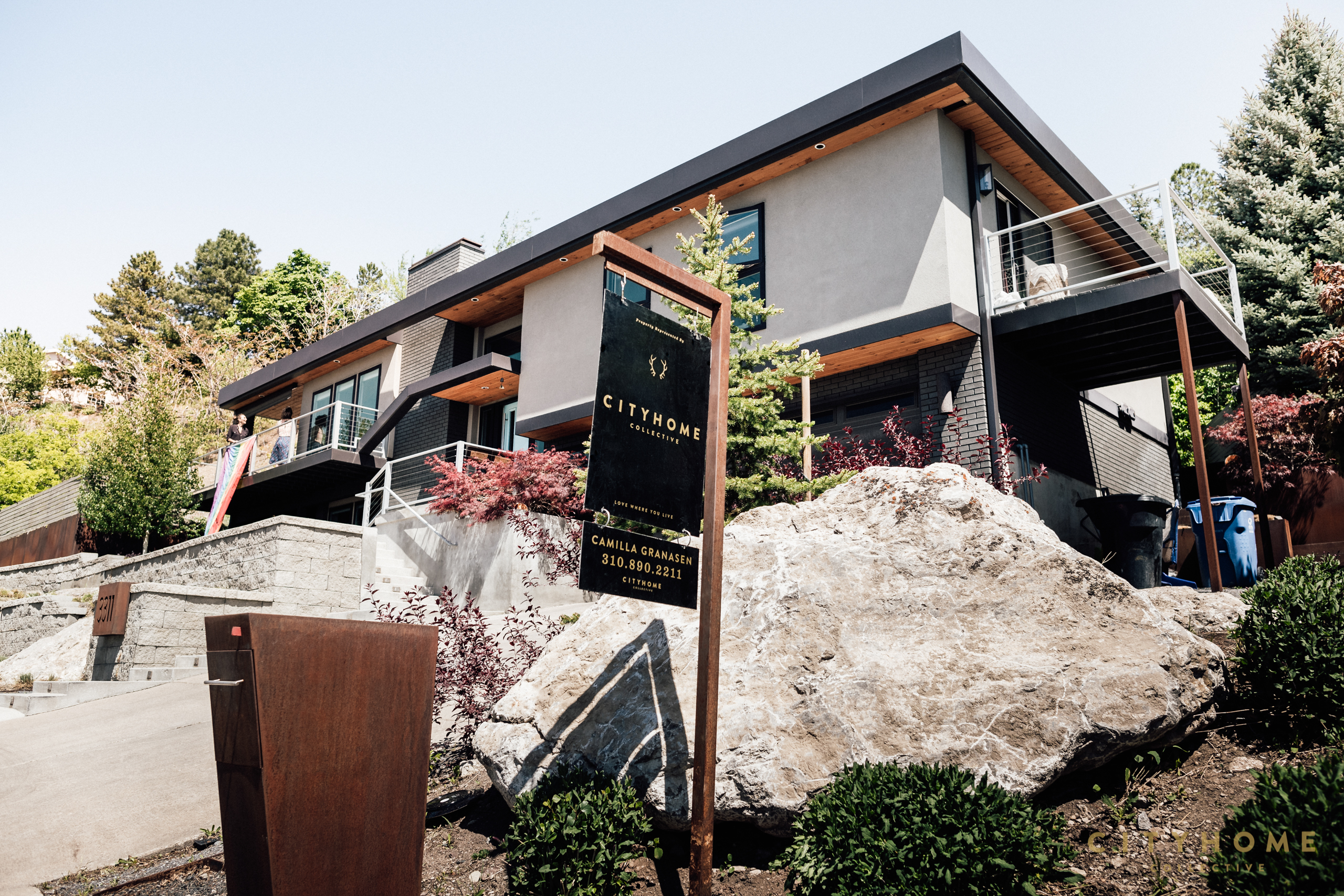
When Monte Verde’s current inhabitants stumbled across this spot, they immediately had a vision for what it could become. The home’s bones were plenty solid—spectacular views, stellar architecture, and the perfect amount of square footage—but the structure needed a bit of TLC to bring out its inherent charm. As such, after snapping it up a decade ago, the owners have spent the duration of their stewardship meticulously renovating the home in order to fully highlight the characteristics that compelled them to purchase it all those years ago. They moved walls, added a bathroom, opened up the kitchen, and created a layout that breads a sense of connectivity and warmth. Stylistically, they added bold wallpaper and reclaimed wood, while preserving the original triangular fireplace, all in hopes of lending intrigue and depth to the space.
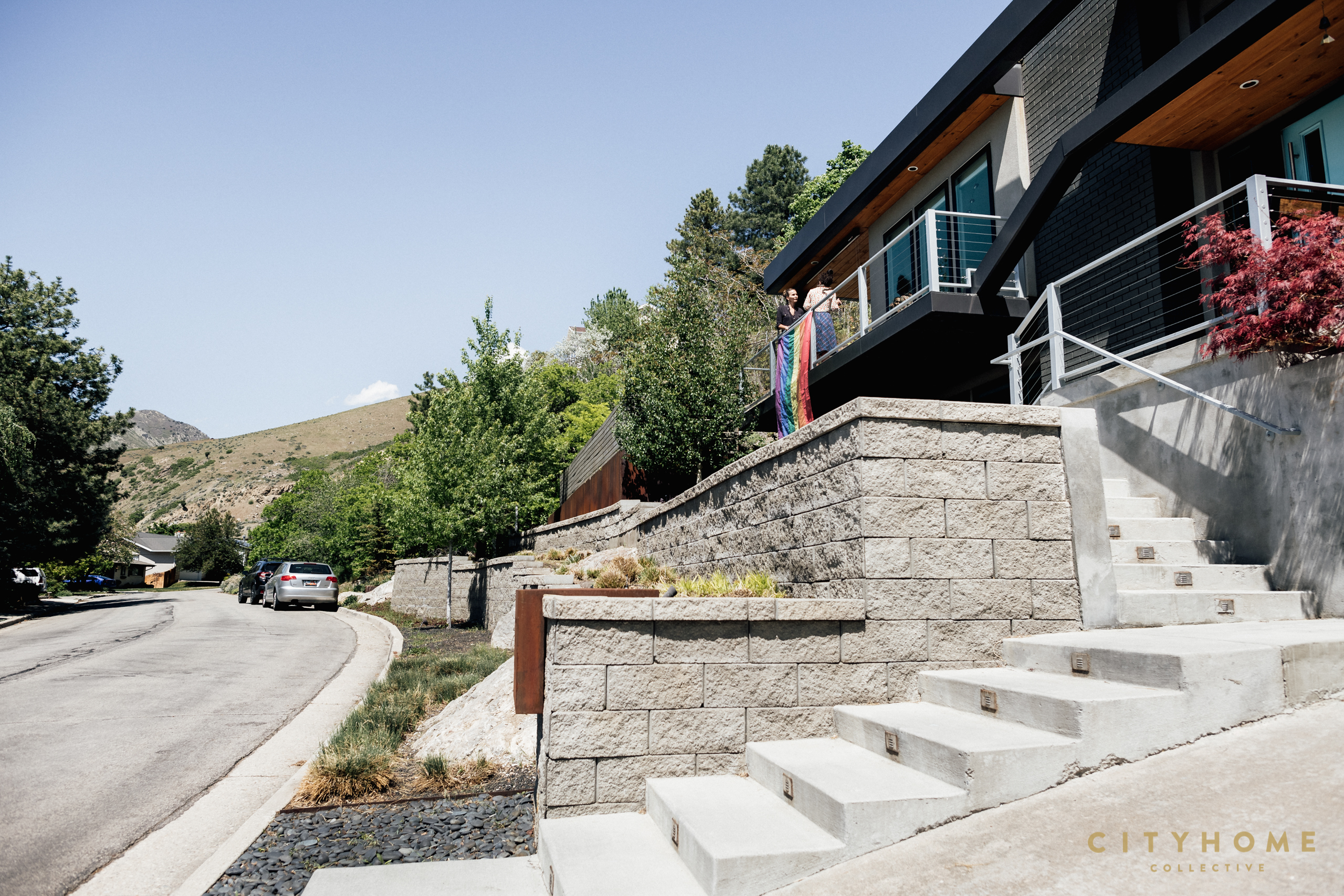
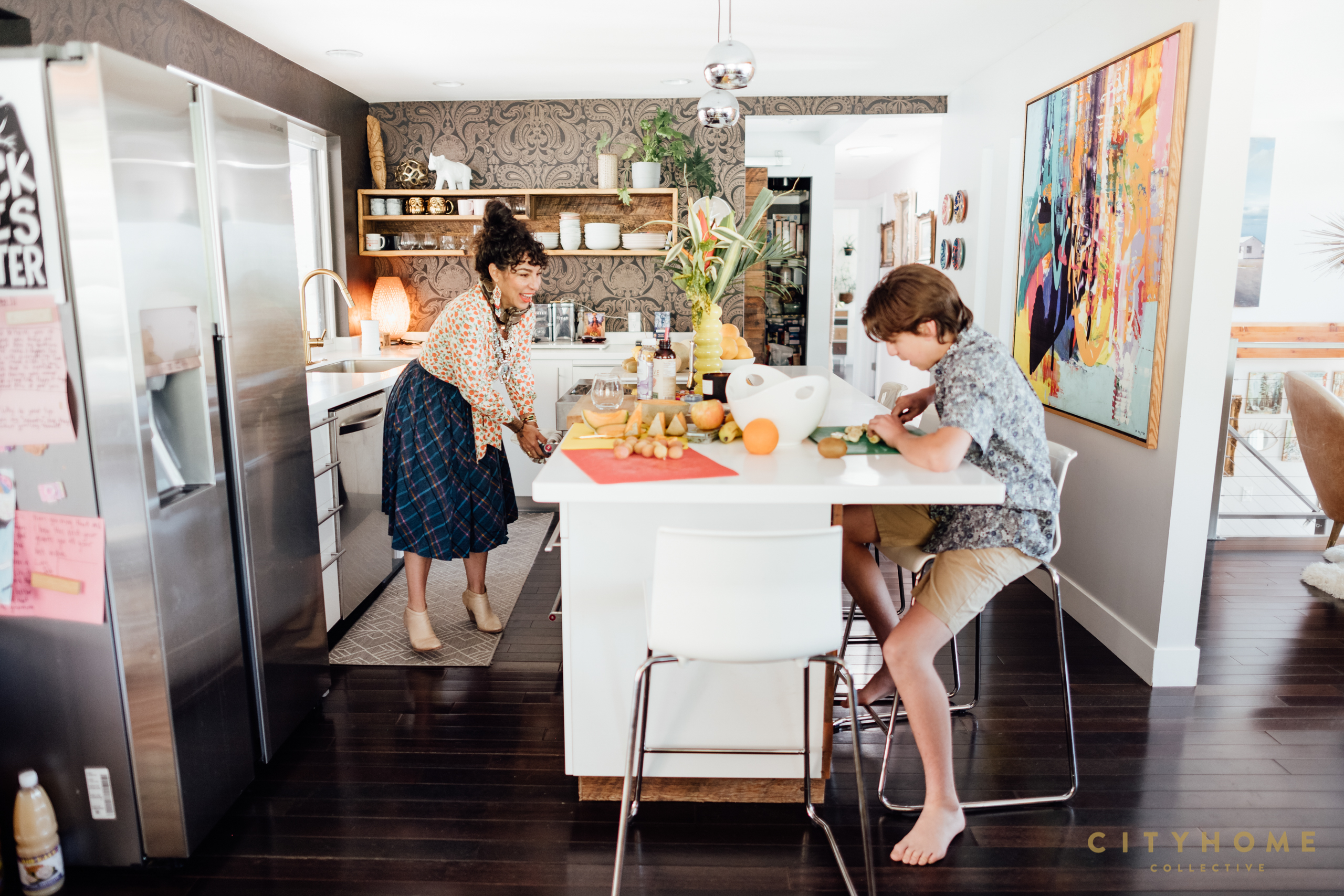
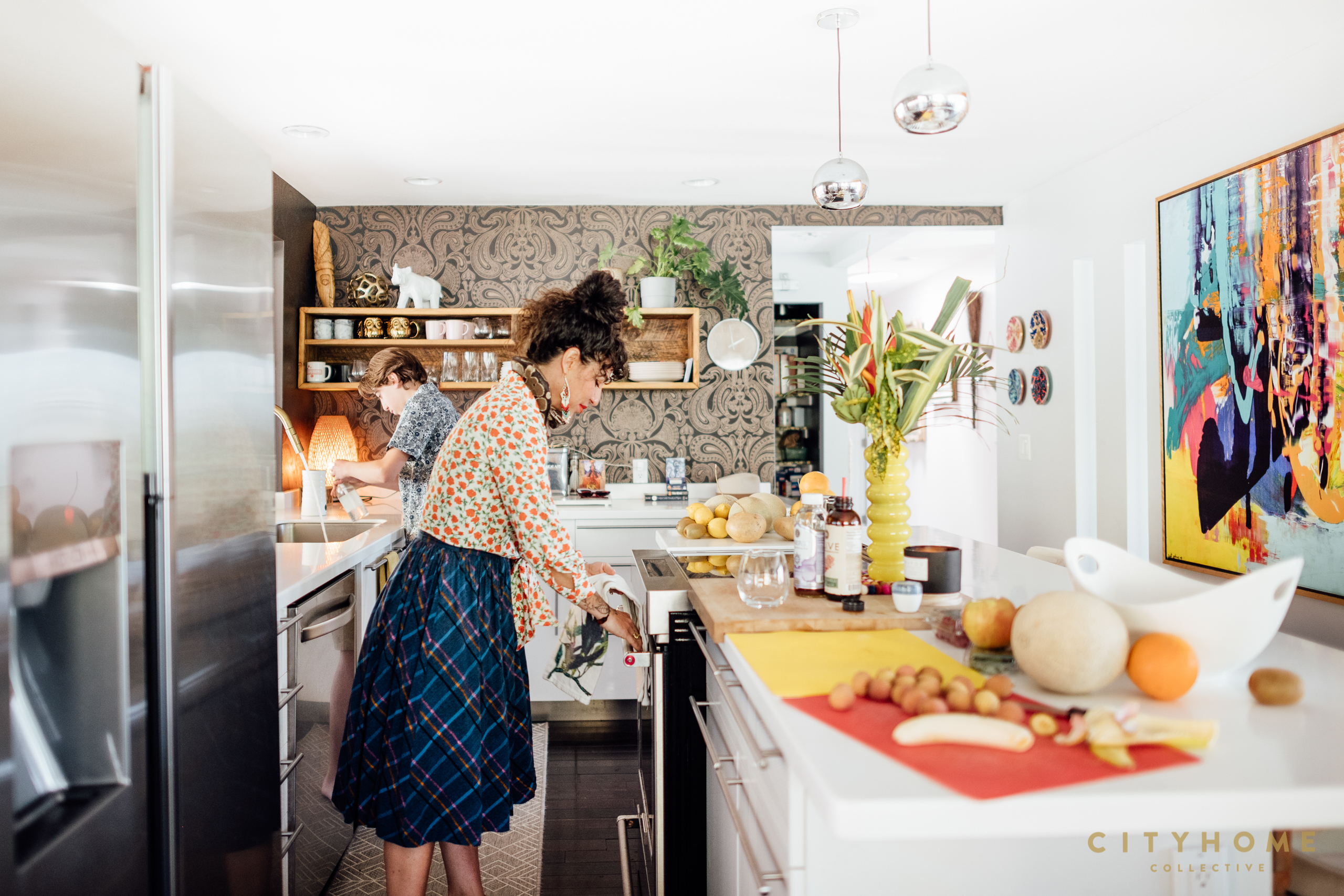
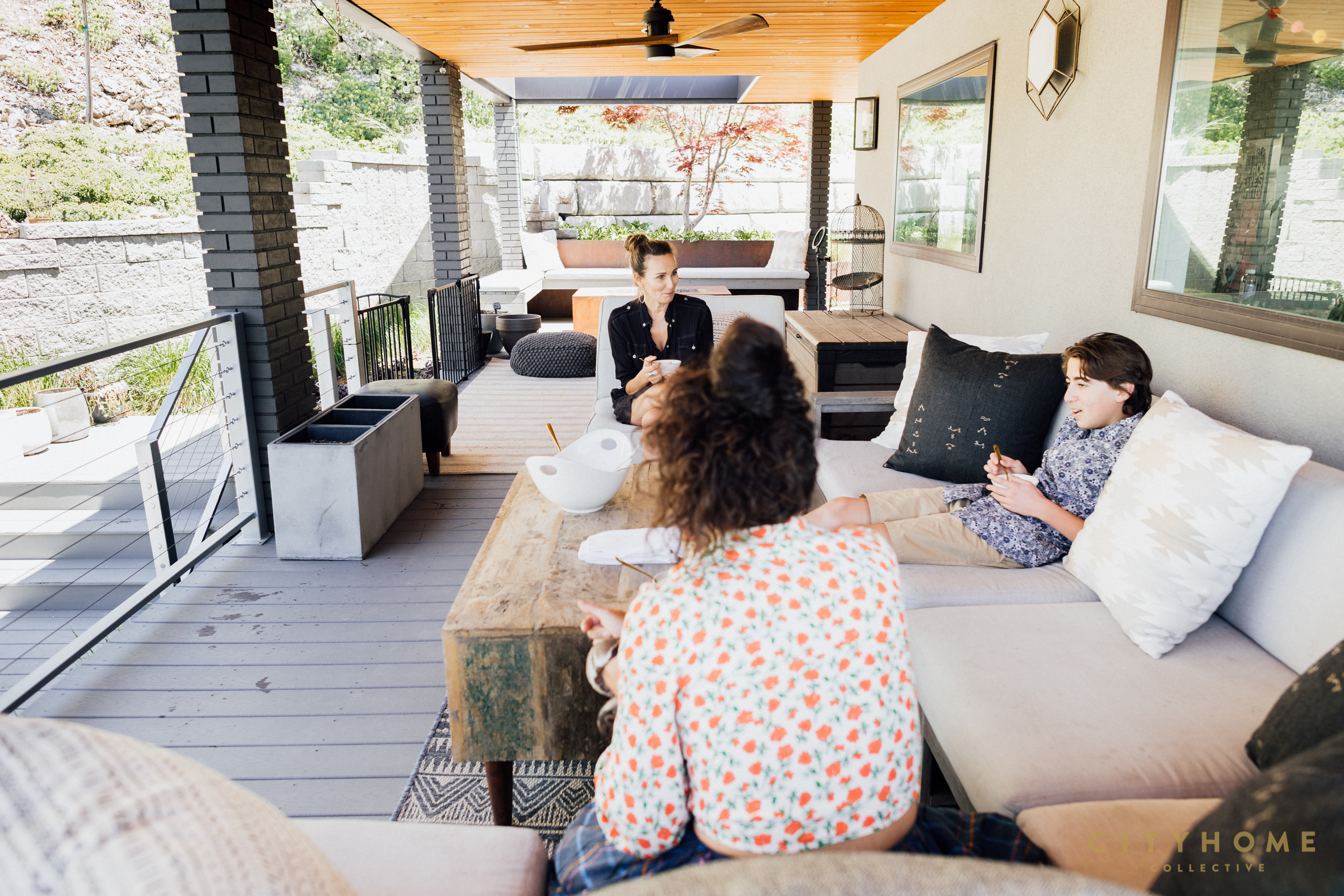
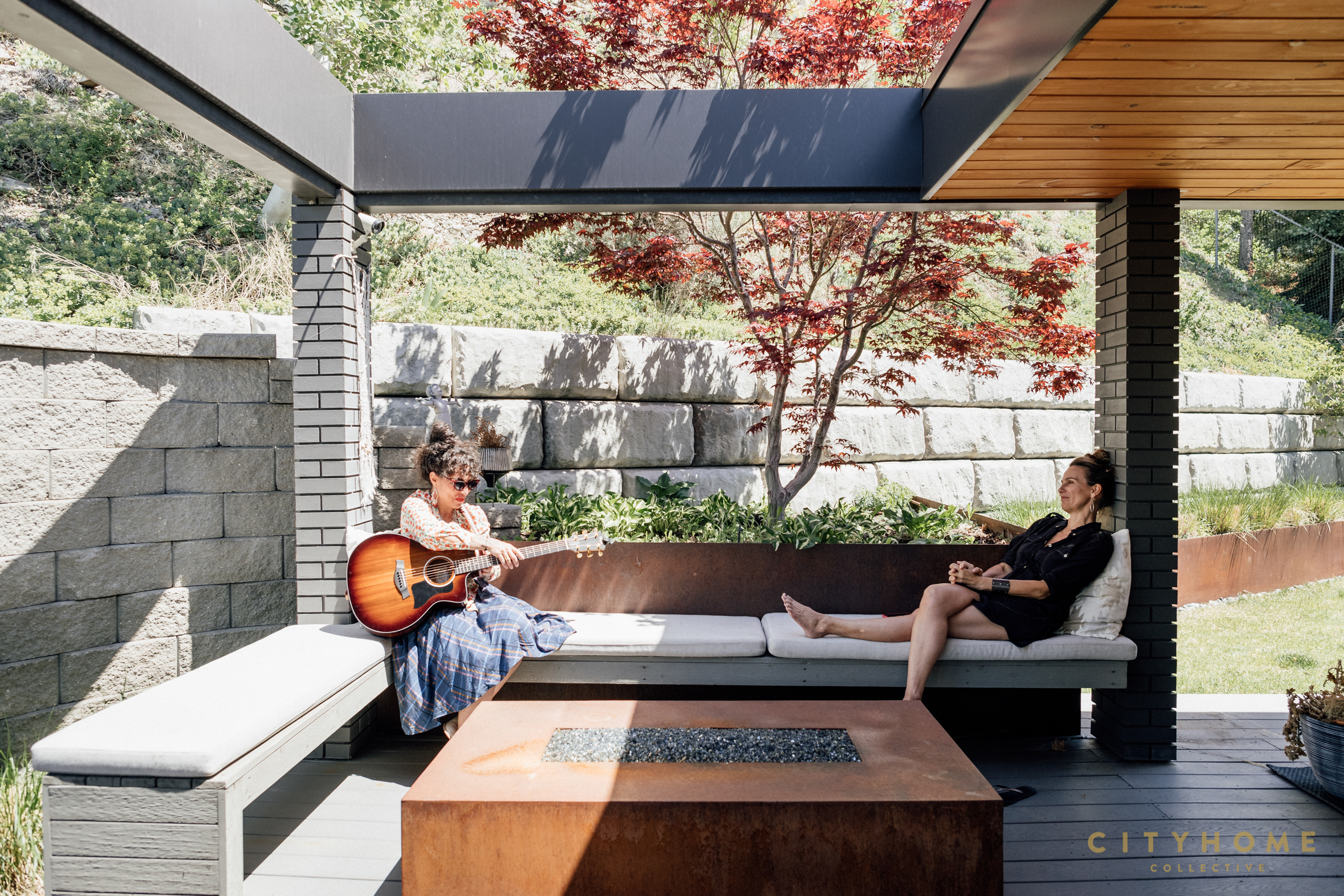
While adapting the inside of the home to better suit their needs was a priority in the renovation, making use of the home’s incredible outdoor living areas was of equal importance. The owner’s worked with Land Form Design Group to create terraces, planter boxes, and different levels that would shape their various outdoor spaces. The result is plenty enviable. French doors lead to a wraparound patio that, in turn, flows into a saline pool with incredible valley views. A built-in fire pit, meanwhile, ensures that the yard gets plenty of use even when the weather begins to cool.
When it comes to the task of turning a house into a home, Monte Verde’s current occupants have certainly excelled. These digs are open, generous, loving, and cool—just like the fine folks who shaped them. And, while this spot’s visionaries are looking towards new horizons and future projects, we think it’s plenty worth reminiscing on all the fine work they’ve done here.
For more information on this property please contact Camilla Granasen at 310.890.2211

If you could spin the globe and pick any place on Earth to put down roots, where would it be? For proprietor of Gradient, Dimitri Allouch, and his wife Gwendolyn it’s Salt Lake City. After spending time in Singapore, Gwendolyn and French-born Dimitri decided it was time for their next adventure, and—longing for a spot with a drastic change of scenery and all four seasons—they aptly selected the distinguished grid of SLC. The pair each have family here, as well as an affinity for the “dynamism of people here…and how [that] reflects on the community as a whole,” which, frankly, we couldn’t have said better ourselves.
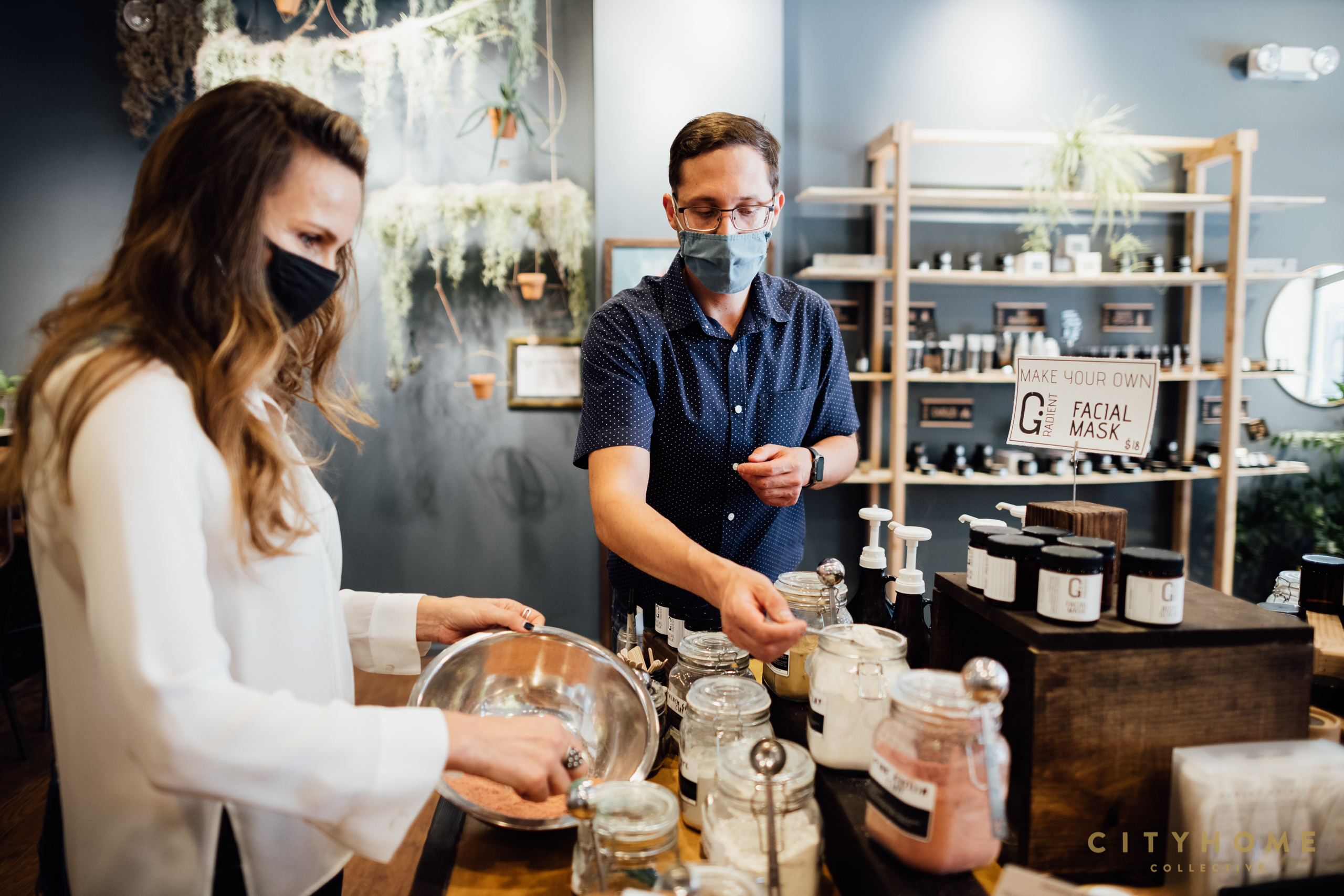
Luckily for us all, Dimitri brought with him both a knowledge and passion about skincare, and, together with his business partner Erica Bruin, decided to open up a brick and mortar spot near Downtown. As Gradient is all about inclusivity, we were recently invited to step inside this boutique of serums and dreams to peruse the goods and take in a bit of epidermal wisdom while mixing our own face masks, sipping tea, making tonics, and inhaling heavenly candles (with scents created by Dimitri himself).
Ahhh…this stuff is good for what ails you.
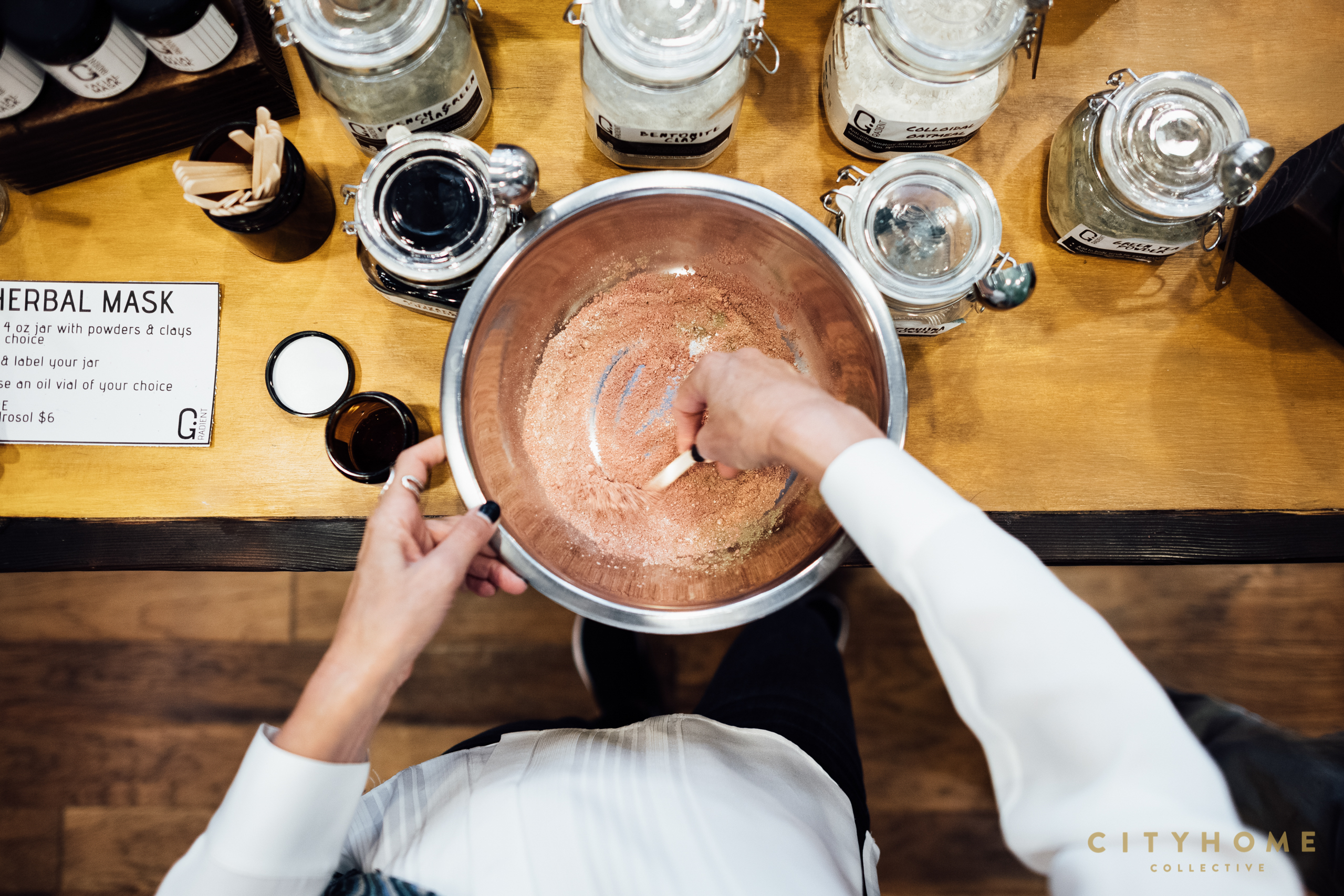
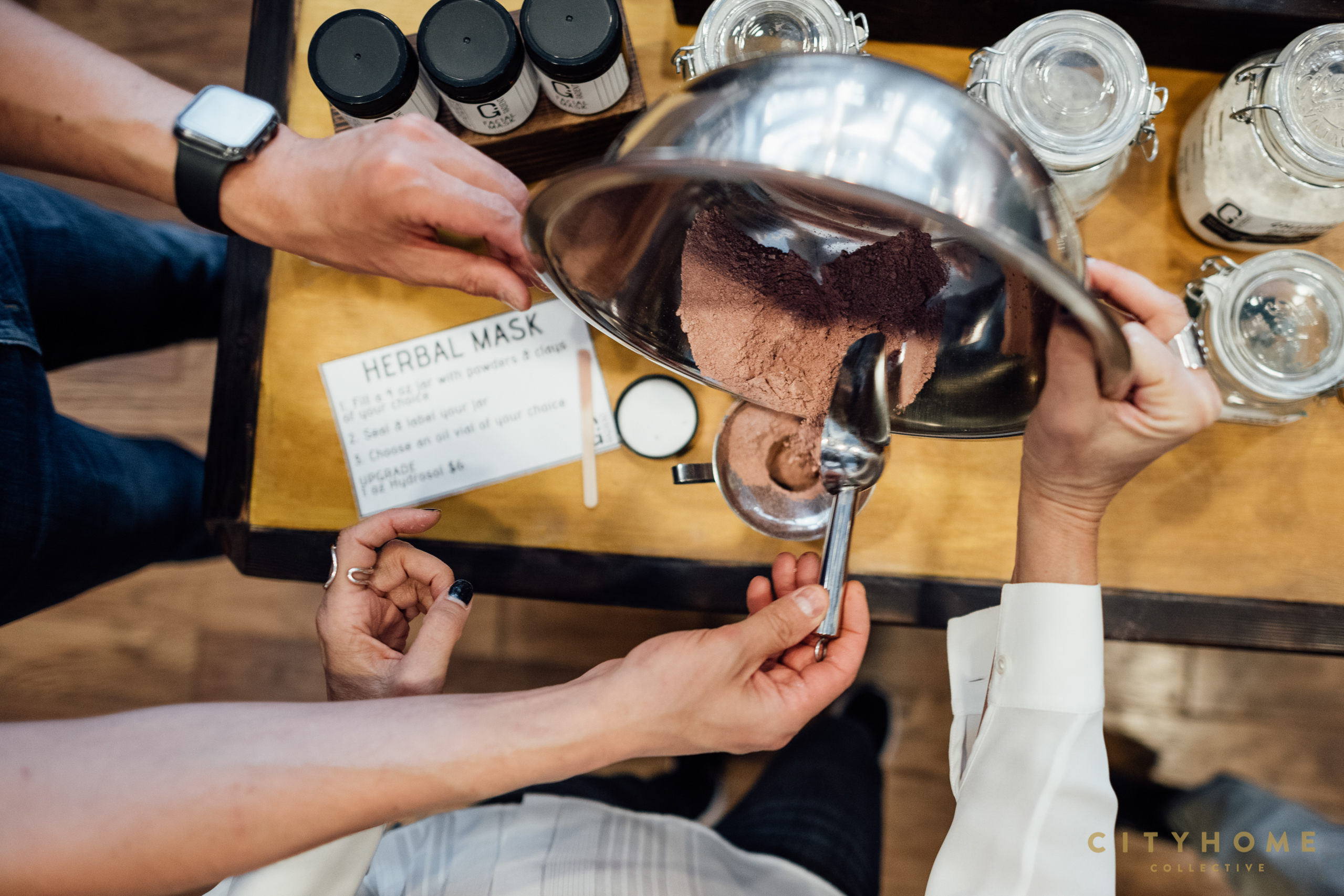
First things first—what’s in the name? The name Gradient came out of an early discussion on all the variations in skin types (and challenges) and how to provide for their individualized needs. We all have different skin and it changes over time. By customizing your skincare, we can answer the specific needs of your skin today and adapt it to evolve with the needs of your skin. This system also allows us to offer products using little to no preservatives, and stick to the most natural and safe ones.
How did this salve-y operation get started? Gradient is a concept store in customized skincare opened in early 2020. We wanted to introduce our respective brands (HEXEH and Yellow Yarrow Apothecary) as well as the work of some local artisans and artists. Erica is trained in botanics and passionate about natural skincare, and I’ve been working in skincare for years, seeing the good and not so good of the industry. We thought that we could go beyond our own brands and implement some of our ideas in a joint project. We wanted to create a more natural and simple approach to skincare with customized products—some of which you could even make yourself in-store. This idea of customization is really at the core of Gradient.
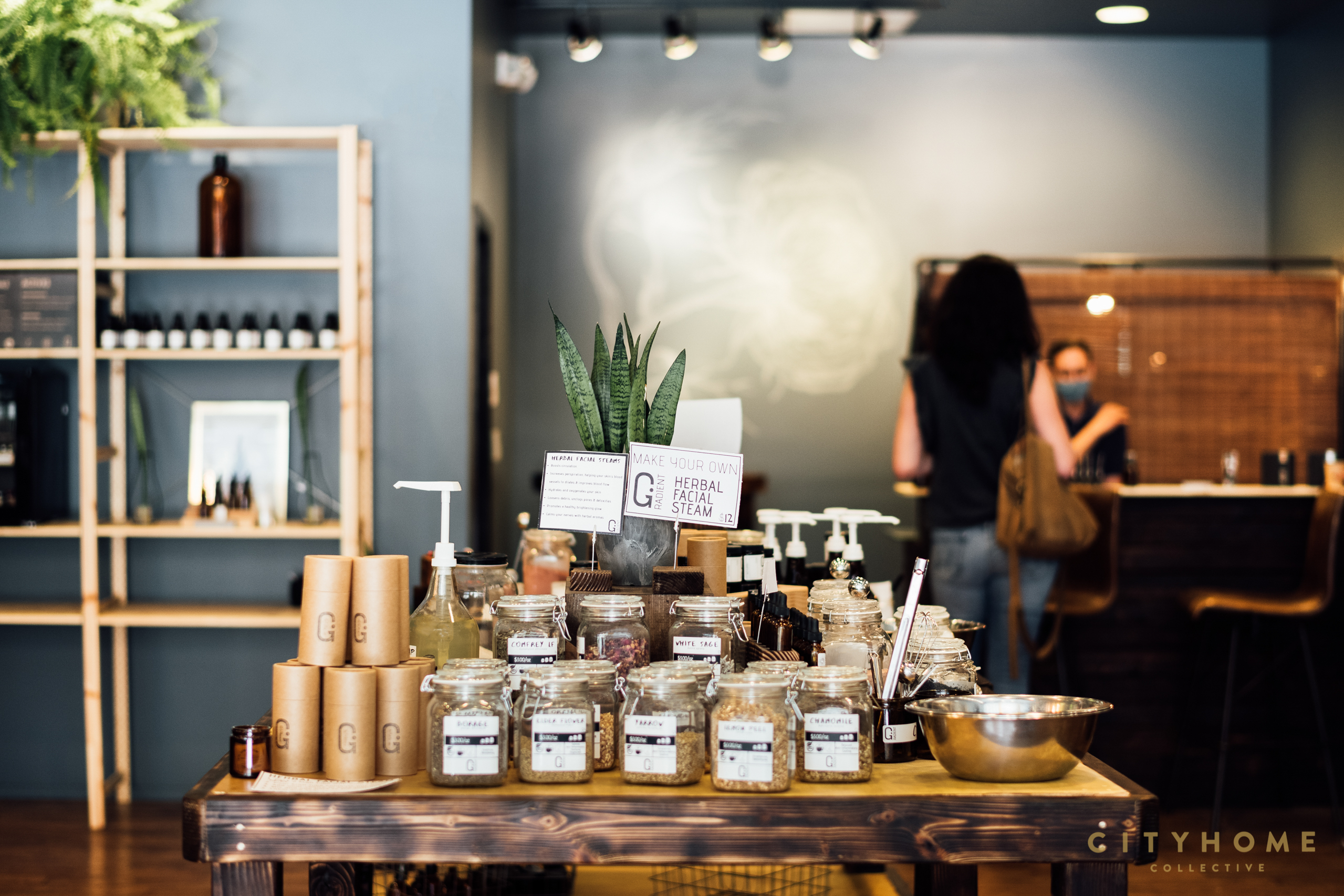
Skincare is everywhere, and it seems like there was a rise specifically in 2020. What makes Gradient products so unique? I’ve been working in the skincare industry for several years now, and have come to a deeper understanding of its mechanisms. How products are made by most skincare companies is quite simple: a lot of cheap ingredients, mostly synthetic, a small amount of “star ingredients” for marketing and claims purpose, and all of this loaded with strong preservatives to keep the product stable on shelves for years. It’s all wrapped in shiny (generally non-recyclable) packaging that often cost more than the actual raw ingredients used. On top of that, most of the formulas are made to work on most skins, which makes sense business-wise for those companies, but not necessarily for the users who need to navigate a very complex market to hopefully find products adapted to their specific skin.
The solution I wanted to implement was to go back to some basics: offering more natural ingredients in a less-is-more approach, adapting our formulas to each individual, and compounding the products fresh on demand.
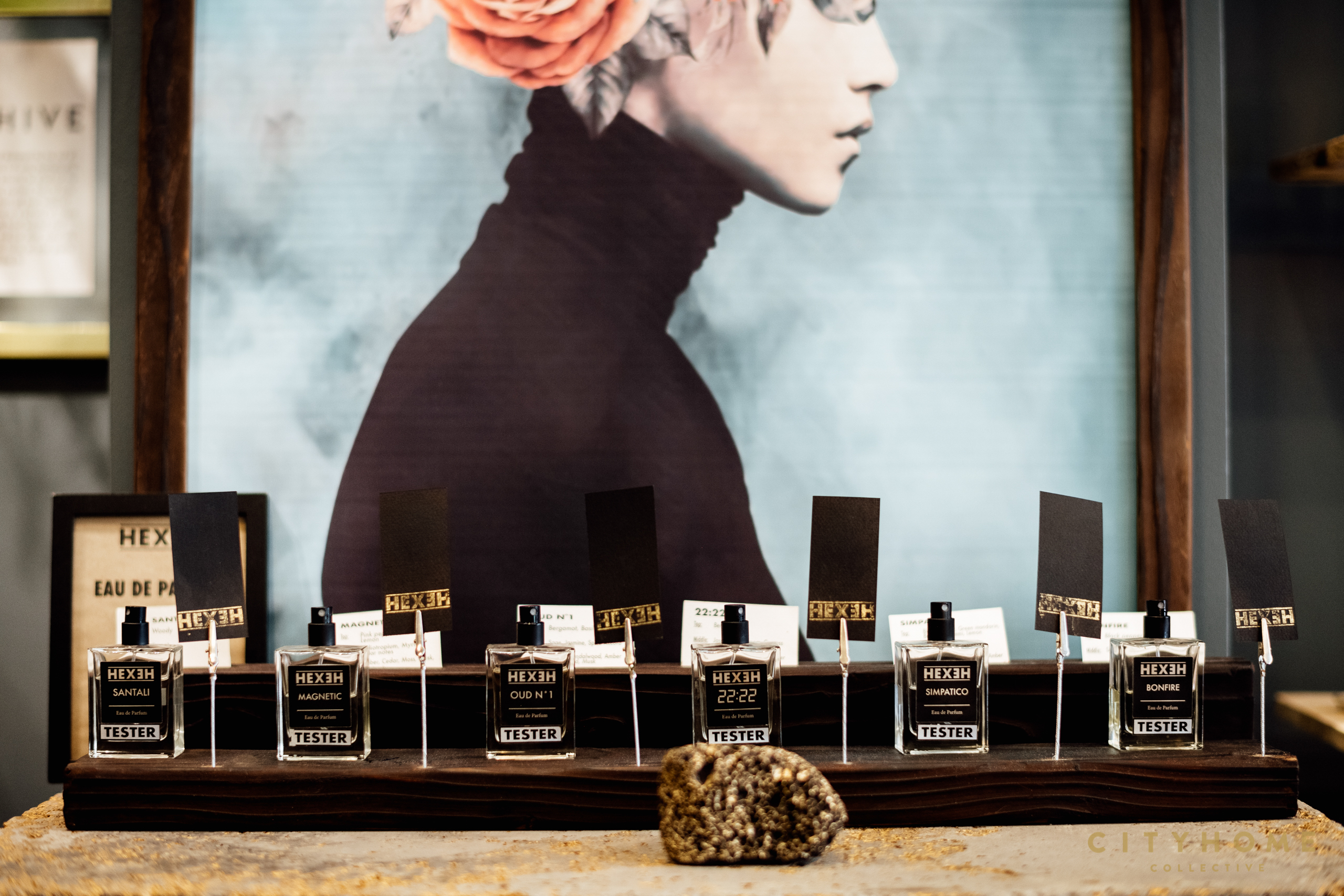
How did you learn about scents and lotions (and how did you know they were going to be so damn good for this climate)? One of our best sellers at Gradient is the HEXEH brand hand lotion. When I arrived in Utah from humid Singapore my skin went through a radical change and I needed to find a way to repair and protect it. I am extremely picky when it comes to the quality of a hand lotion, and I needed one that would moisturize and protect my skin in this (very) dry climate without leaving the greasy feel generally associated with heavier moisturizers. I think here we have struck the right balance. When it comes to the scents and perfumes for HEXEH, I grew up near the city of Grasse in the south of France. It’s a small city but the world’s historical center of high perfumery. That’s where I developed the love for fragrances and the art that surrounds their making.
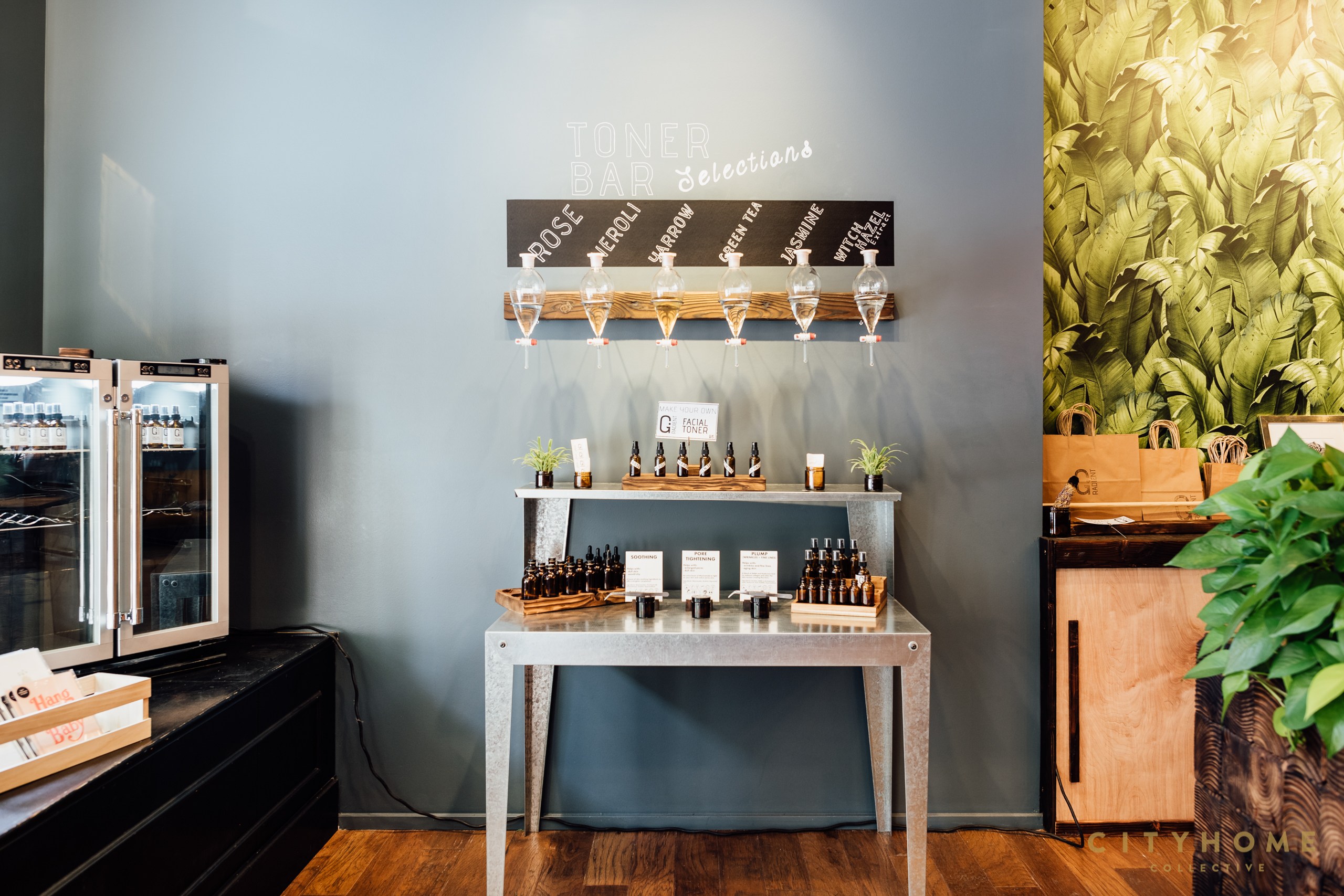
What have you got in store (both literally and figuratively)? We offer a wide range of products in our store, from herbal tea blends and CBD products to artisanal incense and perfumes. But the main things we are getting to be known for are our customized, DIY skincare products. Our custom facial oils, toners, and clay masks are getting a lot of attention recently. The two main brands we carry are:
HEXEH: the perfume and skincare company I started a few years ago. We offer home fragrances (incenses, room sprays, candles), perfumes, and skincare (body lotion, hand lotions, dry shampoo).
Yellow Yarrow Apothecary: Erica works with botanical ingredients that she grows herself here in Utah, for the most part. She also offers a wide range of CBD products, including her amazing Cayenne & CBD Salve for pain relief and bath salts for relaxation.
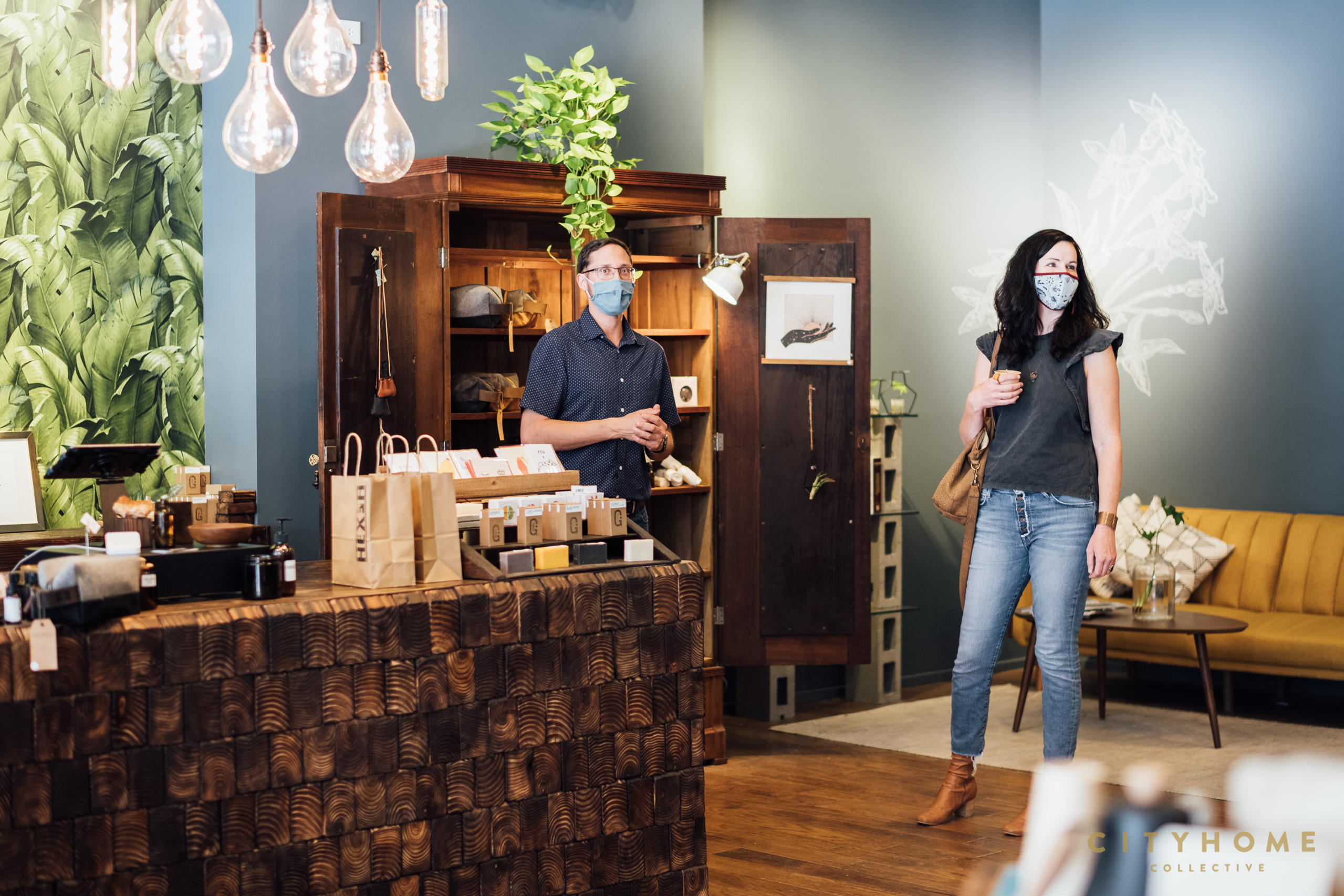
All our products are handmade, most of them here in SLC. To reflect this attachment to handmade, we built most of the store out of raw lumber that we processed in the traditional Japanese technique, Shou sugi ban. We have a lot of new products that will be launched by the end of the year: micellar water, cleansing oil, lip masks and lip scrubs, deodorant, serums and more.
Gradient | 50 S Rio Grande St



While the Bloody Mary has well-deserved status for brunch top billing, we’d argue that Mexico’s refreshing Michelada is undoubtedly an equally compelling contender for the savory cocktail marquee any time of day. The satisfying cerveza preparada concoction makes for a bright and zippy sipper on hot summer days. And it’s a delightful departure from the expected drinks offered at a Cinco de Mayo celebration (not that we don’t love a good margarita).
for a savory cinco de mayo, we recommend you mix up a michelada.
The distinct culinary regions of Mexico have generated endless iterations of this beer-based beverage. Variations galore call for straight tomato juice or Clamato (a proprietary mix of tomato and clam juices), lime or lemon juice, hot sauces of infinite denomination, fresh or pickled peppers, and regional spice blends. Usually served over ice with a spiced or salted rim, the ABV is sometimes bumped a bit with the addition of a glug of tequila blanco or mezcal.
The recipe below is reminiscent of a Michelada once enjoyed by this booze writer at a beachside bar after a long, challenging, and ultimately productive morning of mackerel fishing off the coast of Cabo San Lucas. The server delivered the fortifying drink in a spice-rimmed goblet with a half-dozen shrimp still steaming from the grill. He tipped an entire mini-bottle of Corona right into the middle of the glass and set down a couple of tequila shot chasers, to boot…
a highly recommended way to catch a second wind.
Michelada (makes one)
- 1 Tbs. Tejín spice
- 1/2 tsp. kosher salt
- 1/2 lime, juiced
- 2-3 dashes hot sauce
- 2-3 dashes Maggi or soy sauce
- 1/2 cup Clamato juice
- 1 Mexican lager beer of choice
- 4-6 shrimp, cleaned and grilled
- celery stalk with leaves
Method: On a small shallow plate, mix together Tejín spice and salt. Rub rim of goblet (or oversized martini or margarita glass) with lime, and dip into spice mixture to coat. To a mixing glass, add lime juice, hot sauce, Maggi sauce, and Clamato or tomato juice. Stir well to combine. Add a handful of ice to the goblet, the Clamato mixture, and carefully pour beer into the glass to the rim. Give it a little stir to combine. Garnish with grilled shrimp and a celery stalk. On the side: the remaining beer in bottle and a couple of tequila shots. ¡Salud!
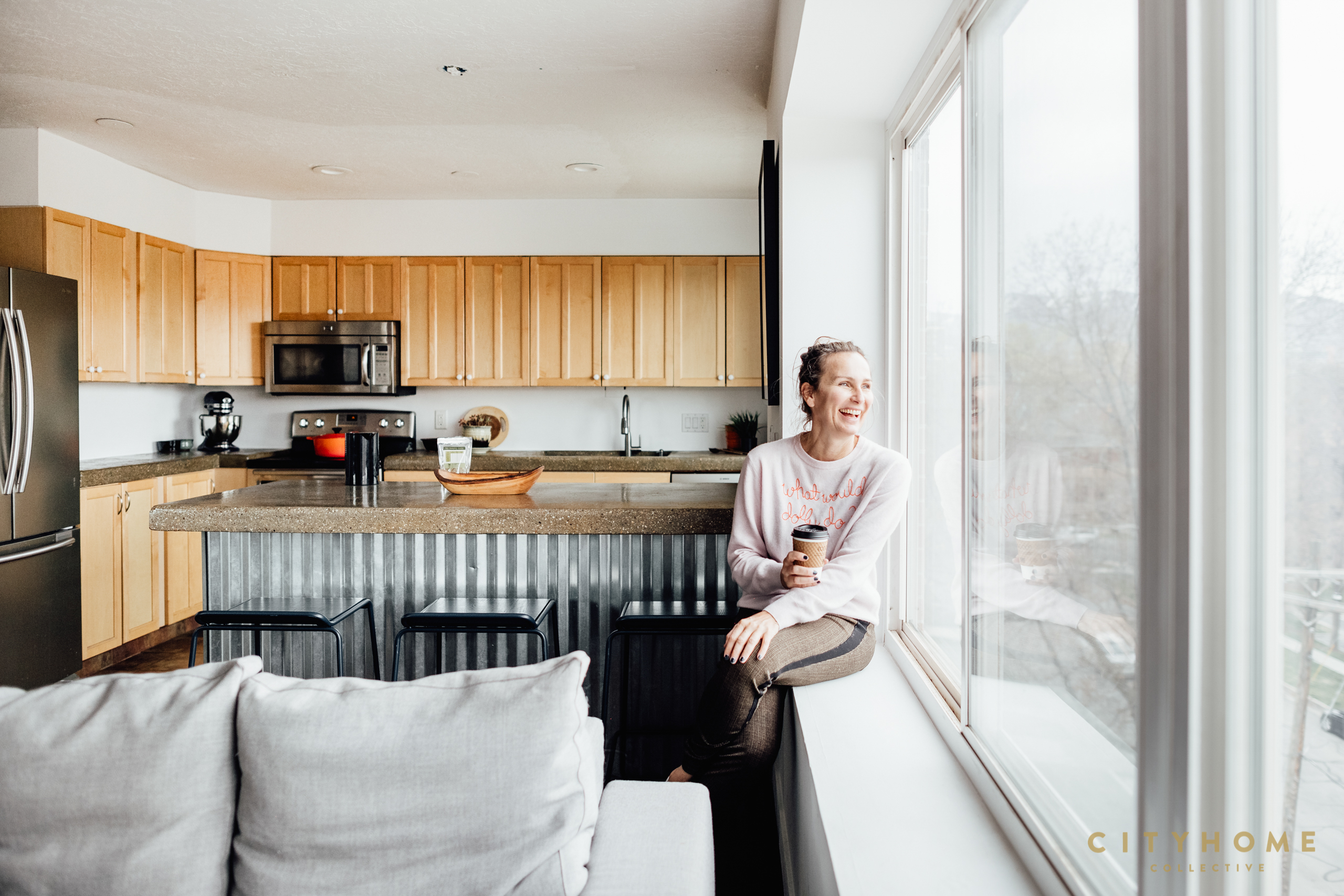
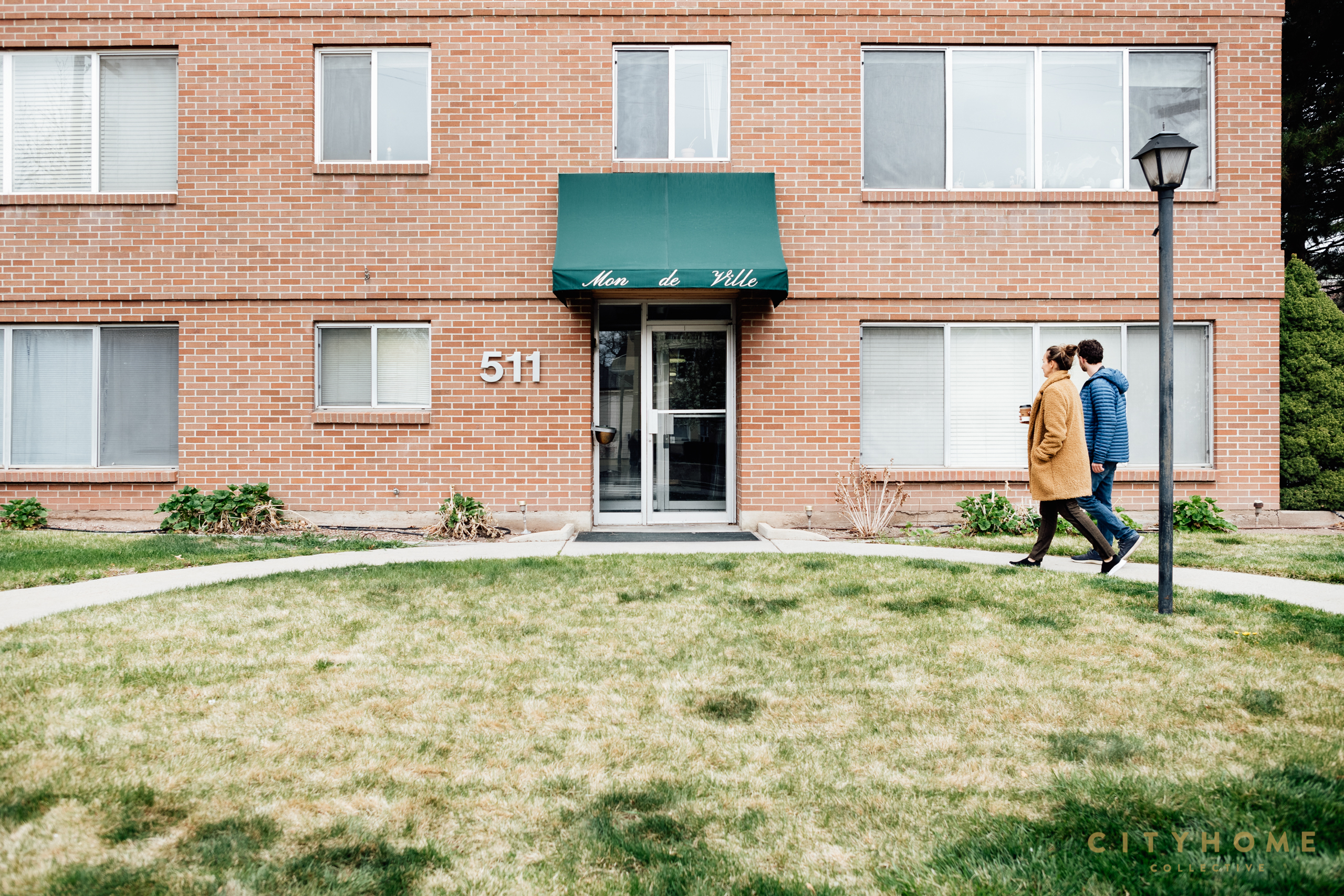
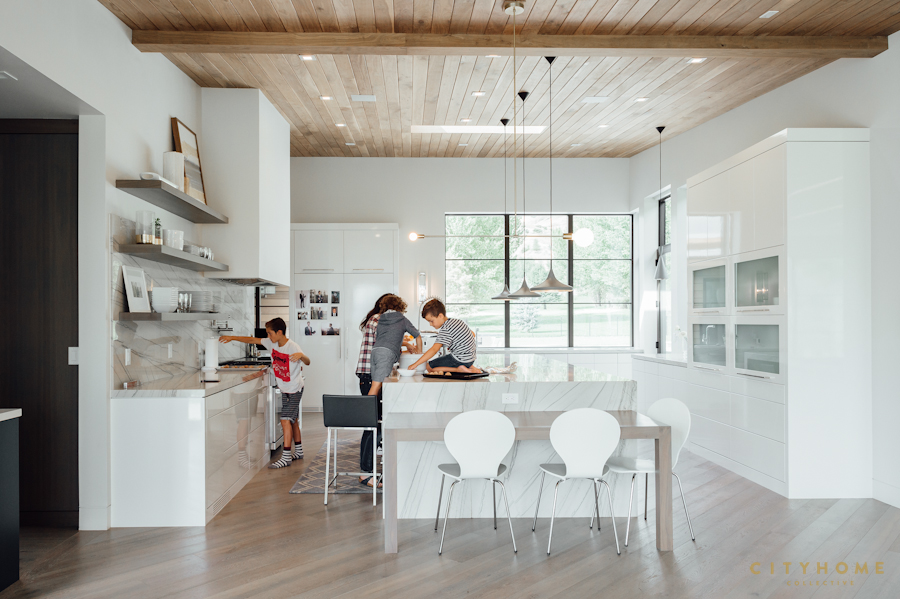
SLC’s proximity to all things “outdoors” is just one of the many reasons we’re smitten with our city. With that in mind, we’ve no doubt that the location of this Avenues perch played a serious part in sealing the deal when a COLLECTIVE pal of ours scooped it up a few years back. We recently stopped by to catch up and take in some of those sunsets we’ve been hearing about…
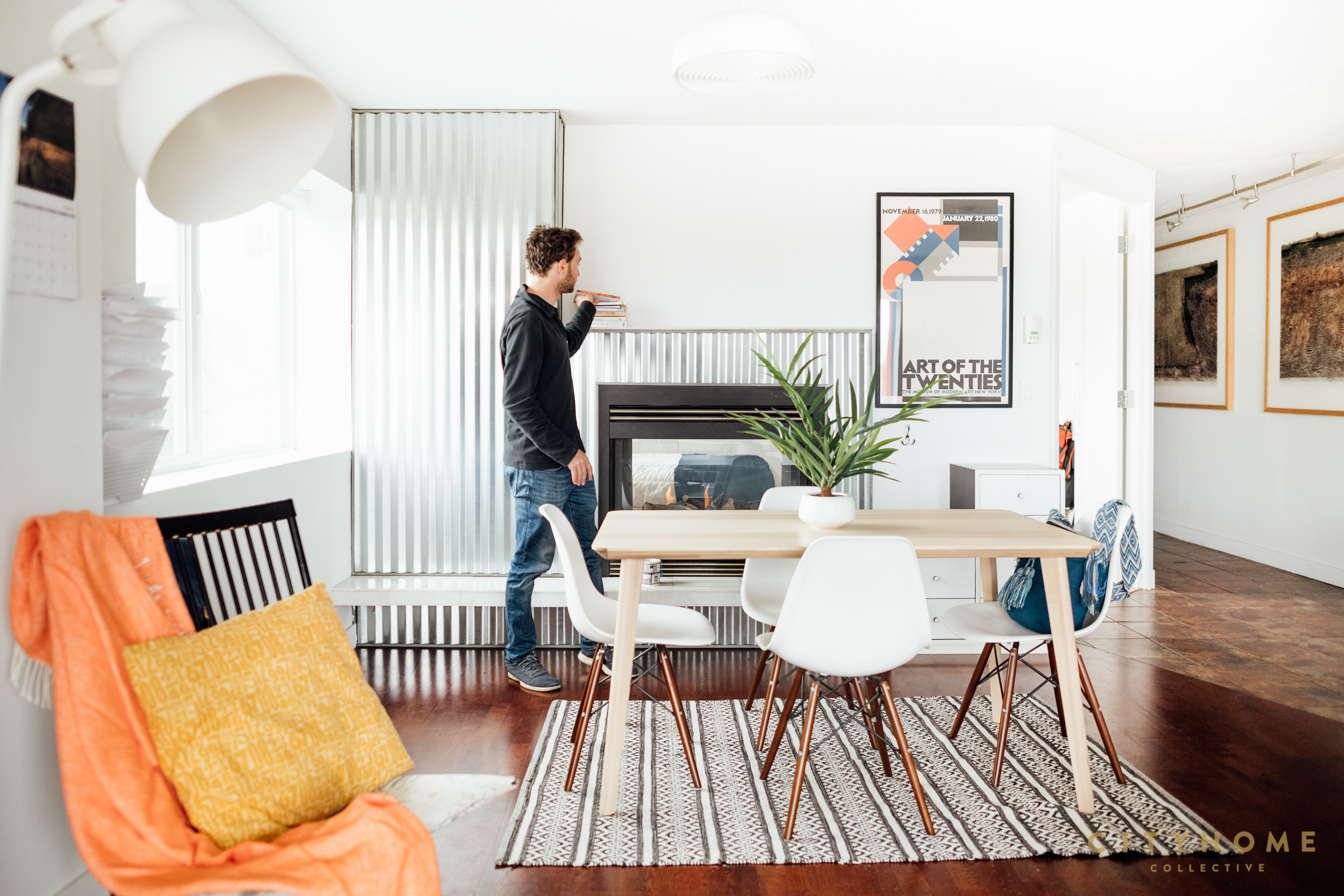
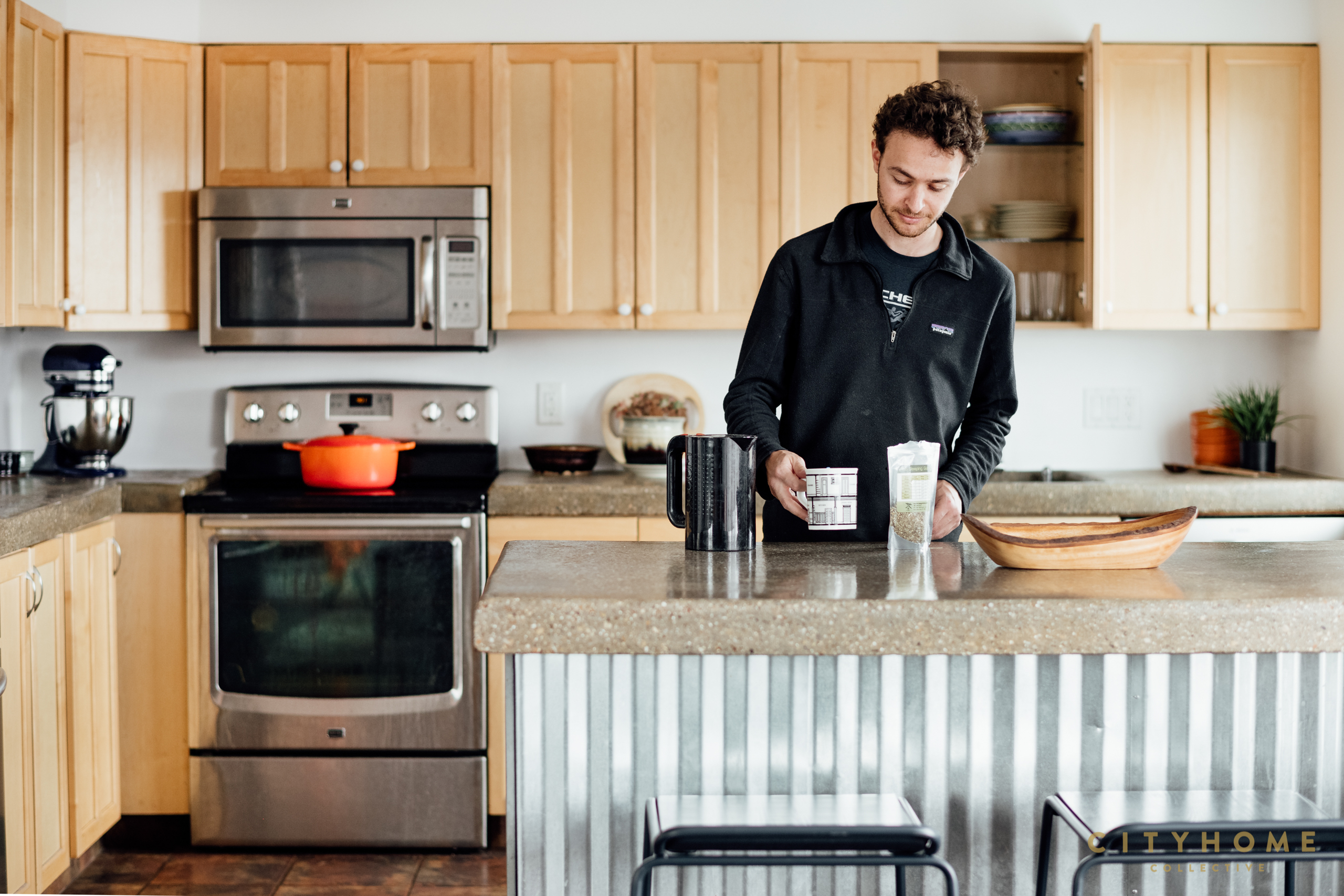
Perched on the top floor and catching killer views of the Wasatch Mountains and Downtown, the perks of this place are crystal clear.
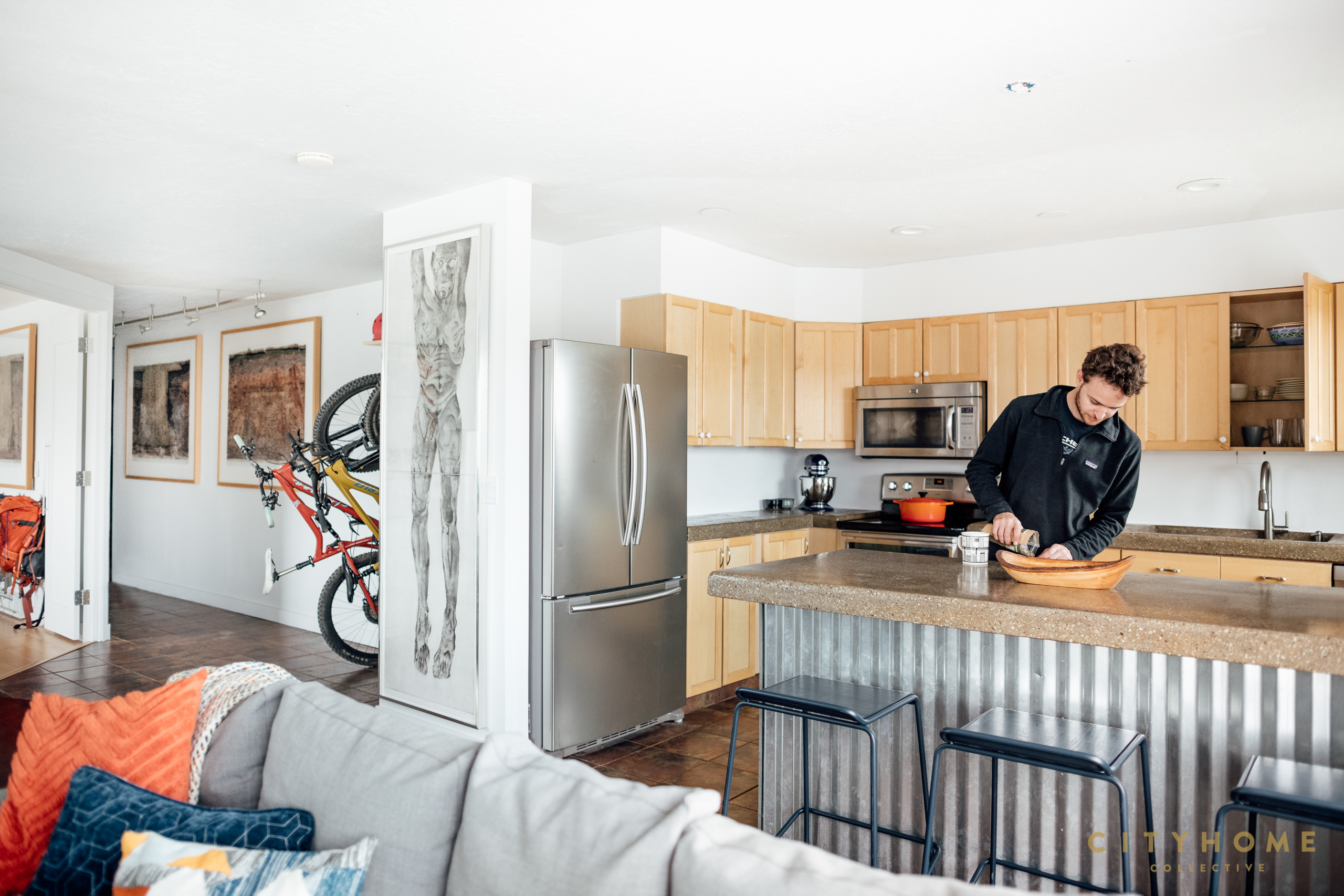
And the kitchen is the perfect place to take them in: open, inviting, and indicative of lovely, loft-style living, we gathered here before heading upstairs. See, just one floor up is this building’s community rooftop deck, available to just 15 units. From here we sipped Sundowners, chatted, and counted turrets on the Governor’s mansion.
City life looks pretty good from here…



The importance of Lloyd Architects to this city’s design community is difficult to overstate, as many of SLC’s finest spaces—both residential and commercial—are the product of this fine firm. Whether designing coffee shops, sustainable farms, or modern homes, Warren Lloyd and his team approach each project with laudable levels of honesty and enthusiasm. Simply put, these folks have a firm-as-can-be grasp on everything from the finer points of kitchen island placement to the socioeconomic implications of built environments…and our state’s landscape is made infinitely better by their expertise.
Basic Style/Ideology: Lloyd’s mantra is “building from here,” and it’s evident in the way he pulls from his structures’ environments when designing. Time spent early in his career as a Monshubo Scholar at the Kobe University in Japan helped mold his style, including the incorporation of spatial patterns found in traditional Japanese architecture. Lloyd prides himself on having helped to build a “design-oriented practice with a diverse staff of young architects,” and the group makes sure that each of their designs is site-specific.
Notable Structures: Snuck Farm, Hillsden House (aka “The White House”), the Timp House, Campos Coffee, Publik Coffee, Powder Mountain Cabins, Park City Mid-Mountain Lodge
Good To Know: As a graduate student, Lloyd interned at The Miller-Hull Partnership and NBBJ in Seattle before working for a few years with residential architect Tom Bosworth, FAIA. He has served as director of AIA Utah, is currently on the board of directors for the Utah Center for Architecture, and serves as a member of the National Advisory Group for AIA CRAN. Lloyd is a licensed architect in Utah and Washington.



Last year held surprises aplenty, so we called on a few of our most-experienced real estate team members to hash out their predictions for 2021’s market in a good, old-fashioned Zoom roundtable discussion. Open to the public, our agents accepted questions from viewers and discussed potential real estate highs and lows in the coming months. Our advice? Listen in…
For the first First Fridays of 2021 we welcomed Jordan Menzel of Maple Grove Hot Springs + Retreat Center (to our Zoom lounge) to chat about community and the welcome embrace wild places. After the centuries-old soaking spot had fallen into disrepair, Jordan, along with some SLC-based partners, revived and reimagined the fully off-grid experience, tackling the rebranding, relaunch, and revival of the 45-acre riverfront hot springs. It’s an intentional collection of rental yurts, cabins, tent/van camping spots, and group experiential congregation spots that allow for community connection in an environment fostering physical and mental well-being centered around experiencing natural hot springs. Watch the video below for a tour of the grounds and more about Maple Grove’s mission…
We’ve long been grateful for the immense artistic talent to be found among SLC locals and, with our city’s museums and galleries continually upping their already incredible game, there’s rarely been a better time to peruse (safely, of course) bright, vibrant, soul-stirring works that, a decade ago, would have required a coast-bound plane ticket to see. A visit to any one of these exhibits is a surefire way to pass a sunny spring day…
1) Fragile Animals (440 W 900 S): Fragile Animals—the latest exhibit by local artist (and one of our very own COLLECTIVE agents) Mark Seely—is slated to debut on March 13th and is sure to include no shortage of emotionally complex, visually challenging pieces. As an artist, Seely is committed to finding “true purity through the suffering and degradation of both mind and material,” and we’re excited to see how he has made sense of the rampant upheaval of the past year. Click here for more information.
2) A Gallery (1321 S. 2100 East): Allen and Alan always curate a striking line-up, and this year’s Spring Salon featuring over forty artists is no exception. With a wide variety of mediums and disciplines represented, this curation is rife with color, intrigue, and all manner of compelling pieces. The exhibition will be on display until April 30th. Click here for more information.
3) Modern West Fine Art (412 S. 700 West): One of our favorite spots in which to peruse the works of both established artists and fiercely gifted up-and-comers, Modern West’s current assemblage is not to be missed. Represented among the talent is COLLECTIVE pal and remarkable painter Matthew Sketch whose work is equal parts intellectually compelling and visually immersive. For more information, click here.
4) Phillips Gallery (444 E. 200 South): Since 1965, Phillips Gallery has been a stalwart supporter of local artists and their exhibitions slated for this spring illustrate as much. Through March 12th, the works of Steve Dayton and Tom Bettin will be displayed alongside the encaustic pieces of Elena Lawrence, and March 19th marks the opening of an exhibit featuring artists Sandy Freckleton, Emily Fox King, and Patrick McGean. For more information, click here.
5) The Leonardo (209 E 500 S): An exhibition put on in collaboration with the Utah Black Chamber, Sorting Out Race is intended to engage the general public in conversations regarding social justice and economic equality throughout our state. Comprised of antique and vintage items containing racial imagery that have been taken out of thrift stores and placed in a setting where they can prompt dialogue, the exhibit is designed to inspire candid contemplation of past and present racial stereotypes. For more information, click here.
6) Urban Arts Gallery (116 S Rio Grande St): According to the Urban Arts Gallery Facebook page, their March exhibit “showcases Utah artists working on the fringes of the creative spirit, whose expressions push boundaries and challenge expectations.” The pieces on display are markedly “bold, bizarre, or downright weird” and will hang between March 2nd and April 4th. Admission is free and open to the public. For more information, click here.
7) Utah Museum of Contemporary Art (20 S West Temple): As proud sponsors of the exhibit, if you haven’t already had your mind blown by the current installation of “Material Issues: Strategies in Twenty-first Century Craft,” we highly suggest you pay UMOCA a visit. The exhibit runs through June and focuses on artists whose work explores the intersection of privilege, power, and the democratized landscape of craft-based techniques. Click here for more information.
8) Utah Museum of Fine Arts (410 Campus Center Dr): Now through April 10th, UMFA is featuring the acclaimed Black Refractions: Highlights from the Studio Museum in Harlem. The exhibit includes more than one hundred works by nearly eighty artists from the 1920s to the present, covering a century of work from artists of African descent. Tickets must be purchased in advance. For more information, click here.