It’s no secret that Utah is no stranger to the family life. Kids are all curiosity and energetic enthusiasm, so a weekend without plans or playtime can quickly go awry. If you’re seeking a few activities that require a little less planning, here are a few tried-and-true local ways to entertain the wee ones.
1) CLARK PLANETARIUM – The exhibits at Clark Planetarium are intriguing and informative enough to capture the minds and imaginations of kids and adults, alike. Expect to learn plenty about Earth’s geological history, our neighboring solar system, and the wonders of space that lie beyond. For even more educational content, check out the planetarium’s dome and IMAX theaters.
2) FAIRMONT AQUATIC CENTER – Although not replete with amenities, the public, indoor facilities here are clean, well-maintained, and a great place to take kiddos when the weather gets nippy. Directly across from the lap pool, you’ll find another large area complete with a lazy river, whirlpool, waterslide, and multiple play features.
3) LAGOON – Less than 20 miles north of SLC lies Utah’s best (really, only) amusement park: Lagoon. Quaint vibes abound here (particularly at the Pioneer Village and “Terroride,” a very low-budget but uniquely charming haunted house), but there are plenty of real thrills to be had. Check out Colossus, the US’s only remaining Schwarzkopf Double-Looping coaster in operation, and the White Roller Coaster, erected in 1921.
4) LOVELAND LIVING PLANET AQUARIUM – Completed in 2014, the Living Planet Aquarium’s current location houses a wide variety of species from around the aquatic world. The habitats represented here are certainly diverse, but the aquarium also does a great job of balancing its more exotic offerings with areas dedicated to showcasing our state’s own amazing ecosystems.
5) PARK THEATRE – Parker Theatre (formerly known as Utah Children’s Theatre) puts on plays and performances geared entirely toward younger ones. Popular pieces like Joseph and the Amazing Technicolor Dreamcoat often take center stage at this smartly designed, Art Deco-inspired spot, but you can expect to see original creations put on from time to time, as well.
6) DISCOVERY GATEWAY CHILDRENS MUSEUM – Discovery Gateway houses plenty of engaging, educational, and highly interactive exhibits that explore everything from the inner-workings of a beehive to the day-to-day operations of a bank.
7) UTAHS HOGLE ZOO – The subject of extensive updates during the last 15 years (with even more on the way), Hogle Zoo now boasts plenty of innovative habitats and well-accommodated creatures. Pro tip: go when temperatures get a little cooler—you’ll avoid the crowds and experience the animals at their most active.
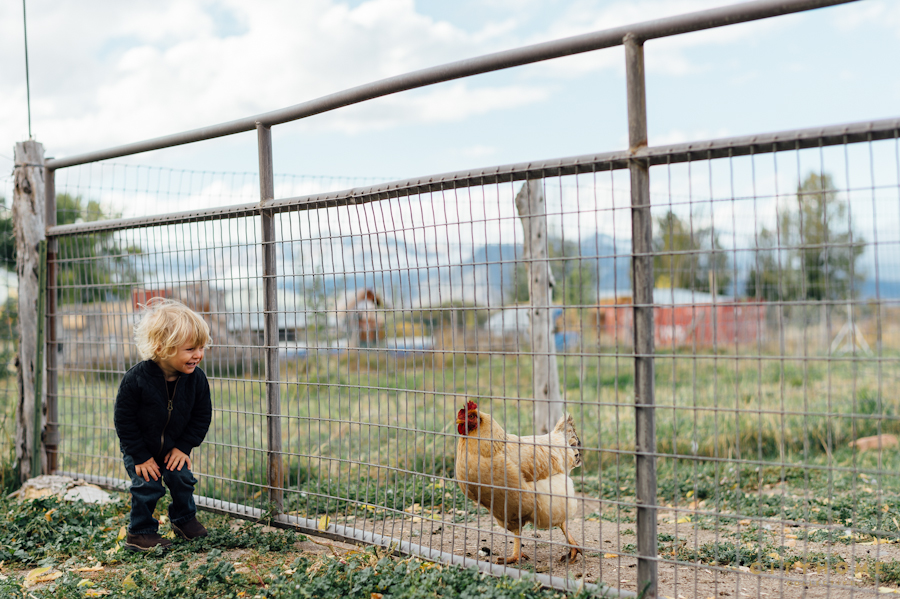
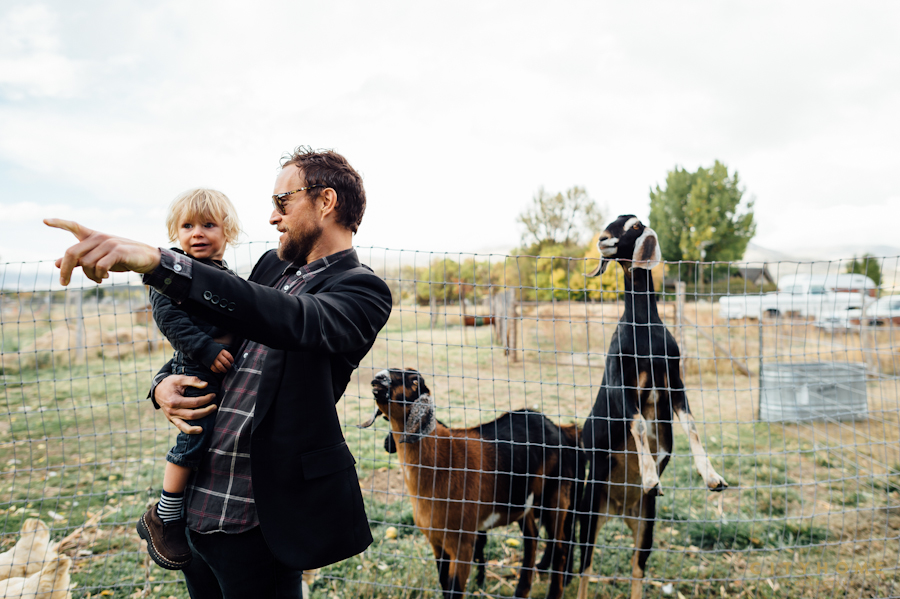
8) WHEELER HISTORIC FARM – A big draw for kiddos in a farmyard fascination phase, Wheeler Historic Farm is a go-to laid-back outdoor adventure sited on 75 acres near Cottonwood Heights. The farm is open to the public from dawn ‘til dusk daily, free of charge. The agricultural history and preservation of historic buildings may be the mission of the park, but in the short set’s eyes, the true stars are the farm’s working parts. Visit the machinery shed filled with old tractors and the many barnyard animals, including draft horses, pigs, goats, and myriad geese and chickens, all of which are a huge draw during “baby animal” season in the spring (note: this isn’t a petting zoo, and feeding the critters is not permitted). The Playground Fort is always a big hit with wobbly toddlers, and the farm hosts a Sunday farmers’ market in the summer.
9) TRACY AVIARY – The largest and oldest of only two free-standing aviaries in the US, Tracy Aviary is a stellar place to stroll, observe, and appreciate nature’s majesty. Throughout its many exhibits, you will find birds of all shapes, sizes, colors, and regions. Be sure to pay respects to Andy the Andean condor during your visit.
10) SILVER LAKE LOOP TRAIL – The Silver Lake boardwalk loop is a great way to get into the mountains without committing to anything too strenuous: the route itself clocks in at just under a mile and there’s hardly any elevation gain to speak of. Depending on the season and the crowds, it’s not uncommon to spot a moose grazing in the tall grasses that flank the trail, and other, smaller critters are often quite active around the area, as well.
11) OLYMPIC LEGACY SNOWFLAKE PLAZA FOUNTAIN – A large, interactive water fountain in the middle of The Gateway, this is the perfect spot to let the kids cool off if you’re not ready to commit to spending an entire day at the pool.
12) PUBLIC LIBRARIES – Salt Lake is lucky enough to have a number of wonderful public libraries scattered in various neighborhoods around the city, and all of them are great for passing an afternoon meandering through shelves and flipping through pages. The main city library located downtown and the Marmalade branch are the biggest and offer the most in terms of interactive games and exhibits. That said, the branches in Glendale, Rose Park, Foothill, and The Avenues are certainly worth visiting too. Finally, the Spraque branch located in Sugar House might well be one of the cutest buildings in the city. Go for the books, stay for the architecture.
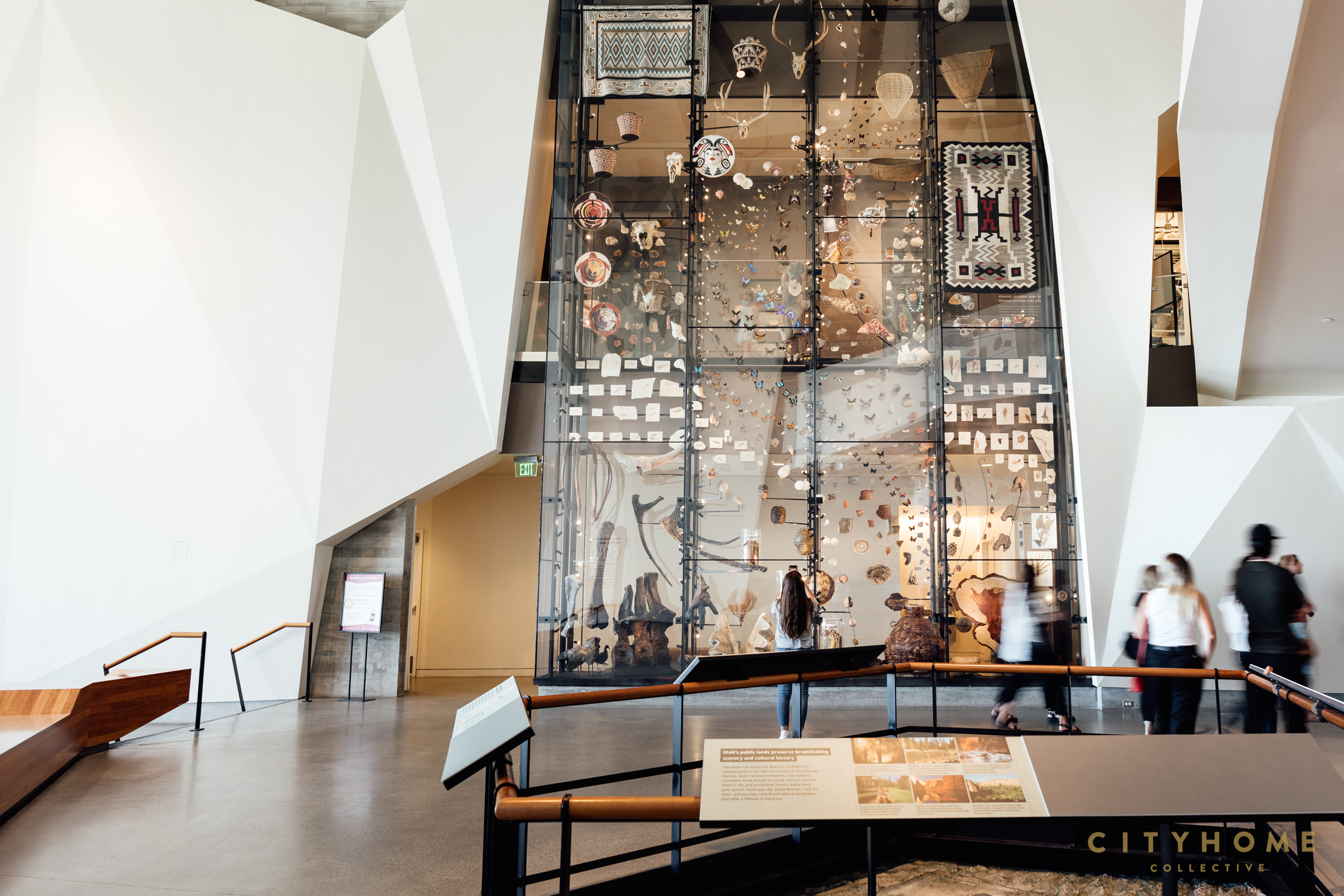
13) NATURAL HISTORY MUSEUM – One of SLC’s most beautiful feats of architectural prowess since its opening in 2011, the NHMU sits on the east bench above the University of Utah. And, while the LEED-certified structure is a stunner in its own right, the treasures within are not to be missed. Exhibit-wise, we’ve a few favorites: Past Worlds, a snapshot into prehistoric times, is chock fulla bones and a sure kiddo-pleaser, while the circular Native Voices exhibit offers a beautiful look at the traditions of Utah’s eight federally recognized indigenous tribes. In short: there’s enough informative, fun, and breathtaking exhibitions here to keep your little ones occupied for hours.
14) ECCLES DINOSAUR PARK – As the name implies, Eccles Dinosaur Park is the closest thing our state has to Steven Spielberg’s acclaimed (and disappointingly fictional) Jurassic Park. Spread alongside the trails that meander through this shaded and grassy area you will find over 100 different dinosaur statues, many of which rely on robotics and carefully hidden sound systems to bring them just-about to life. For all aspiring paleontologists, regardless of age, this place is bound to excite.
15) OGDEN NATURE CENTER – From events to walking trails and educational programs, this 152-acre nature preserve has been serving Ogden since 1975. This is a hot spot for bird-watching, but there’s also an indoor exhibit for a more up-close look at some of Utah’s critters, including birds of prey, snakes, salamanders, tortoises, and spiders.
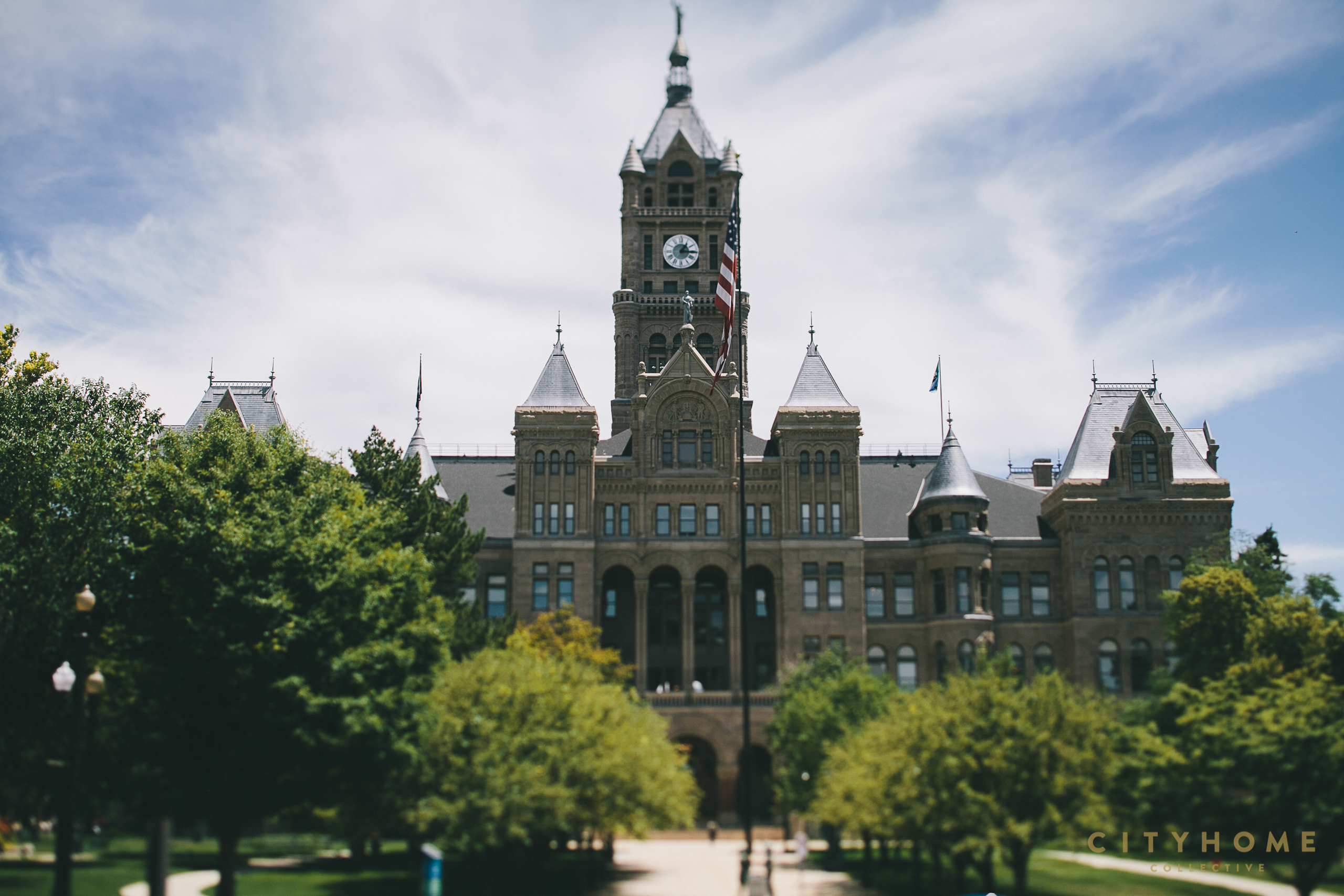
16) PICNIC AT THE CAPITOL – While the building itself is beautiful, our state capitol’s grounds are also well-worth drawing attention to. The lawn surrounding the complex is scattered with shade and perfect for spreading out a blanket and settling in for a picnic (plenty of great pre-packaged meats, cheeses, and treats can be found just down the street at Harmon’s downtown location). Plus, tons of grassy open space, statues galore, and splendid views ensure that little ones will have plenty to hold their attention and tucker them out.
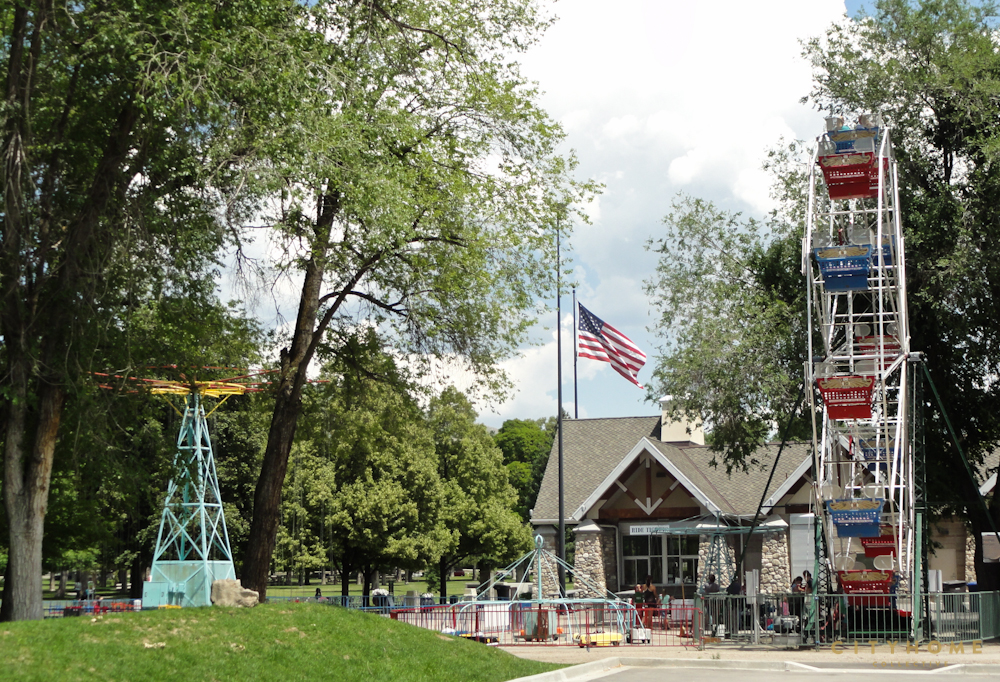
1. Liberty actual Park. Be it during our lunch break or post-brunch, one of our all-time favorite places to mill around is undeniably Salt Lake City’s centermost oasis, Liberty Park (and, judging by the population of said spot on any remotely sunny day of the week, it seems that teems of our city’s saltiest agree). Why? There’s a veritable smorgasbord of activities to engage in here. Of course, there’s the obvious people watching/picnicking/sports courts, but Liberty is also home to a few treasures: beyond the Farmer’s Market (Fridays June through October) and close proximity to everywhere, this park holds a pond chock full of both ducks and paddleboats as well as a miniature carnival at its center! Come for the LARP-ers, stay for the corndogs…and read more about it all here.
2. Artesian Water Well. This little courtyard, just a block north of Liberty Park, is unassuming from the street, but a true “if you know, you know” SLC institution that’s been wetting whistles for over a century. In fact, in days of yore—when the Salt Lake Temple was still under construction—this spot was used to hydrate oxen on their journey from Little Cottonwood’s granite quarry to Downtown. Pulled from a natural, underground aquifer, the water here is rich in minerals and ever-flowing, and—thanks to a recent renovation—easily accessed from all sides via a slew of spigots. Whether filling up a 5-gallon jug or taking a water break from a jog, folks can be found at all hours taking advantage of this watering hole…and you’d be wise to do the same.
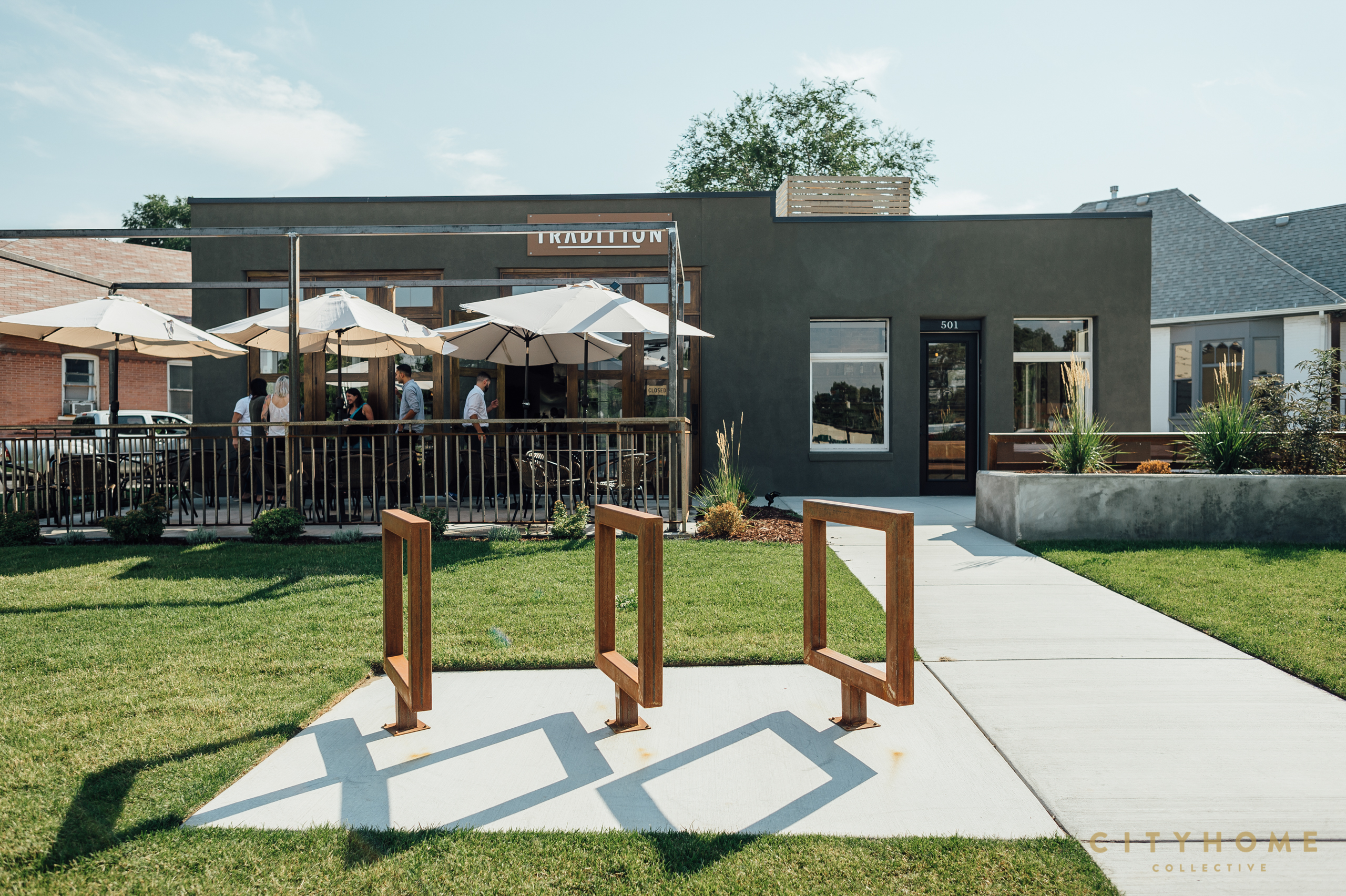
3. Tradition. Just across the street from Liberty Park itself, the patio at this eatery is one of the most perfectly positioned in all of SLC. From here you’ll not only have access to home-style cookin’ that equates to “comfort food” no matter where in the 50 contiguous you’re from, but you can have it with a side of stellar park-people watching. The southern-friend roots are palpable here, but the menu is not devoid of Beehive-inspired basics. Think: fried green tomatoes and funeral potatoes. We recommend ordering up some bubbles and a bite, then popping southward for a stroll. Happy brunching!
4. Southeast Market. Southeast Market is a true SLC staple, and the shelves of this specialty food market are brimming with fantastic international finds. Pop in to see this friendly bunch and grab yourself some salted egg-flavored Lay’s chips or a pack of green tea Kit-Kats, or cruise over to @southeastmarket on Instagram for updates on coveted shipments as well as recipe inspo!
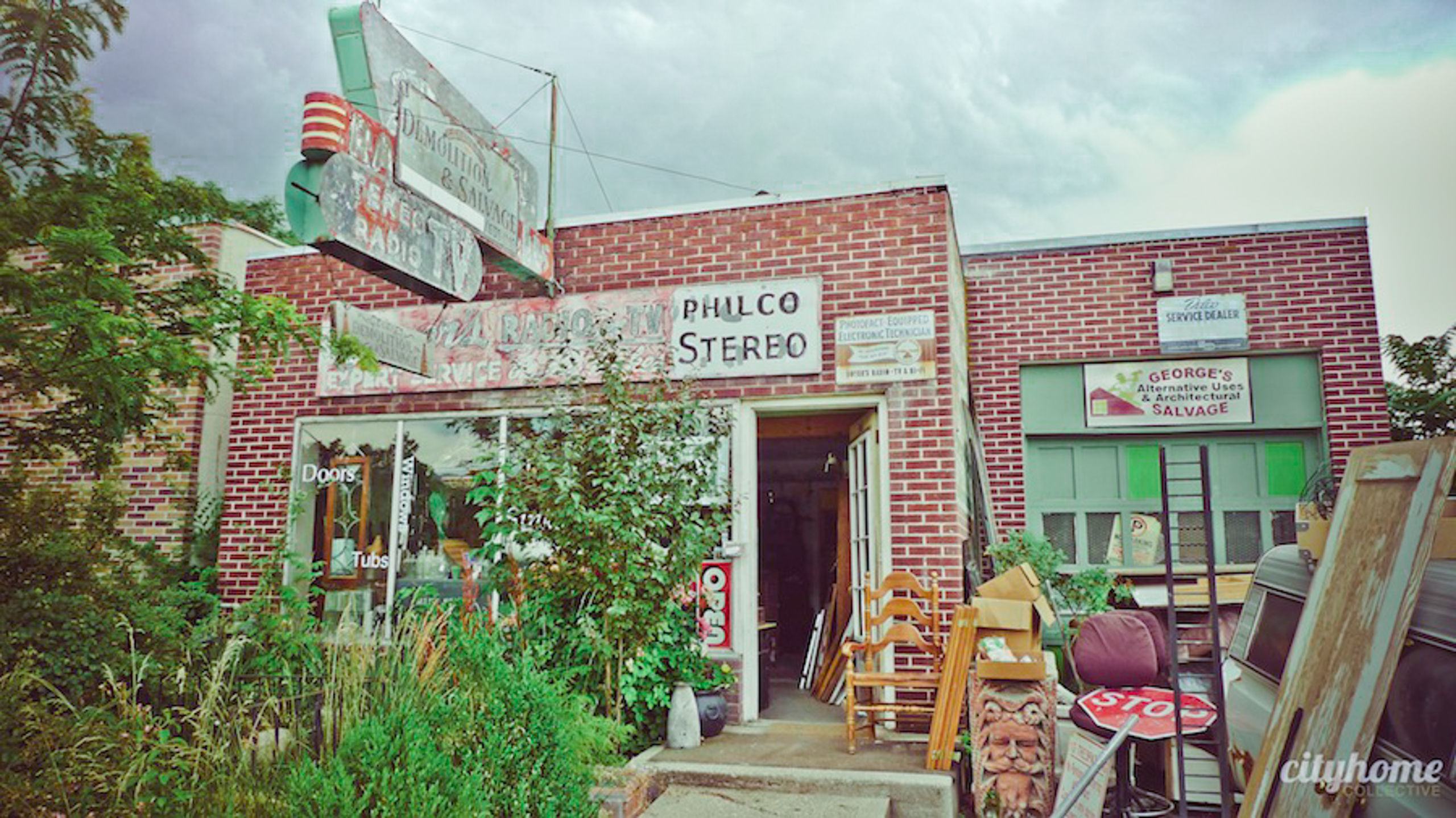
5. George’s Salvage. Touting wares of “Alternative Uses and Architectural Salvage”, this salty staple is a veritable treasure trove for lovers of home reno. There’s a slew of vintage doors, drawers, sinks, lamps, and other assorted bric-a-brac to be found here. When you’ve an afternoon to spare, visit George’s to find all the household gems you never knew you needed…and be prepared to fall squarely in love with this charmingly quirky spot.
6. Tracy Aviary. The country’s largest and oldest free-standing aviary, Tracy Aviary is one of Liberty Park’s absolute best offerings. Scattered throughout these various exhibits, you will find beautiful birds of all shapes, sizes, and colors from myriad habitats around the globe. Beyond entertaining visitors, this fine operation also leans heavily into education and conservation initiatives aimed at advocating for our flighty friends at every turn. Plus, the aviary has seen plenty of renovations over the years, making it a tip-top habitat for birds and visitors alike. At some point during your visit, be sure to pay your respects to Andy the Andean condor—this fella’s sizable personality makes him a bit of a local celebrity and an absolute must-see.
7. Proximity to…everything. One thing we love about the Liberty Park ‘hood is its proximity to so many of our other favorite SLC spots, including 9th & 9th. This bustling borough is home to oldies-but-goodies like The Tower Theater, Coffee Garden, and The Stockist, but there are always fantastic, new additions to be found (we’re looking at you, LOLA and Pie Fight). All the goodies of this walkable intersection—East Liberty Tap House, Salt & Honey Market, and Publik Kitchen among them—are just two city blocks from Liberty Park proper. Looking to head further north or south? Liberty’s proximity to 700 E has some clearly discernible advantages: chief among them is the ease with which this street can transport you north to the Avenues and Downtown SLC or south to Holladay, Sandy, and beyond. And yet, for all the convenience it affords, 700 E is certainly not busy enough to prove a major disruption to those living just off of it. And, should you head just a few blocks west, you’ll hit one of Salt Lake’s most up-and-coming areas, Central 9th. This cozy pocket is home to a few of our favorite patios (a few of which can be found at Manoli’s, Chanon Thai, Barrio).
8. The Park Café. A time-honored haunt, The Park is on the radar of most locals, and for good reason. The food, for starters, is perfectly indulgent and the service is some of the friendliest you’ll find. All the usual suspects (french toast, biscuits and gravy, etc.) are certainly solid here, but more unique concoctions like the Michigan Hash elevate this place to the pantheon of breakfast greats (plus, thanks to the high caloric content of each of its plates, this spot has become a favorite among local athletes, and it’s not uncommon to squeeze past a group of Jazz players or U of U defensive backs on your way to a table). No matter what you order, though, a post-meal stroll around Liberty Park is the perfect way to wrap things up.
9. Herman Franks Park. Part off-leash dog park, part Central City Baseball field, this green space takes up almost a full city block just southeast of Liberty Park. The dog park, which is fenced off but still within view of the diamonds, features a fountain and agility course, so you can post up with your pup to watch a play or two—just keep your eyes peeled for pop flies!
10. Bagel Project. This adorable, brick corner shop boasts hot and fresh bagels and refreshing takes on the standard breakfast sando. Try the Lox & Loaded, Trout & Truffle, or the Hava Tequila with soy chorizo and avocado salsa. Not sure where to start? You really can’t go wrong with Everything. Go early or order online ahead—they sell out!
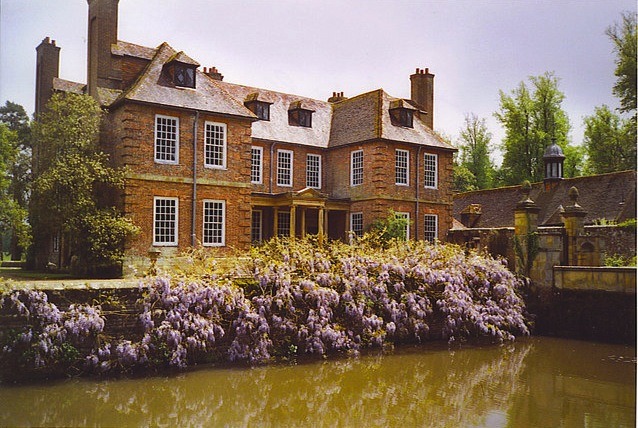
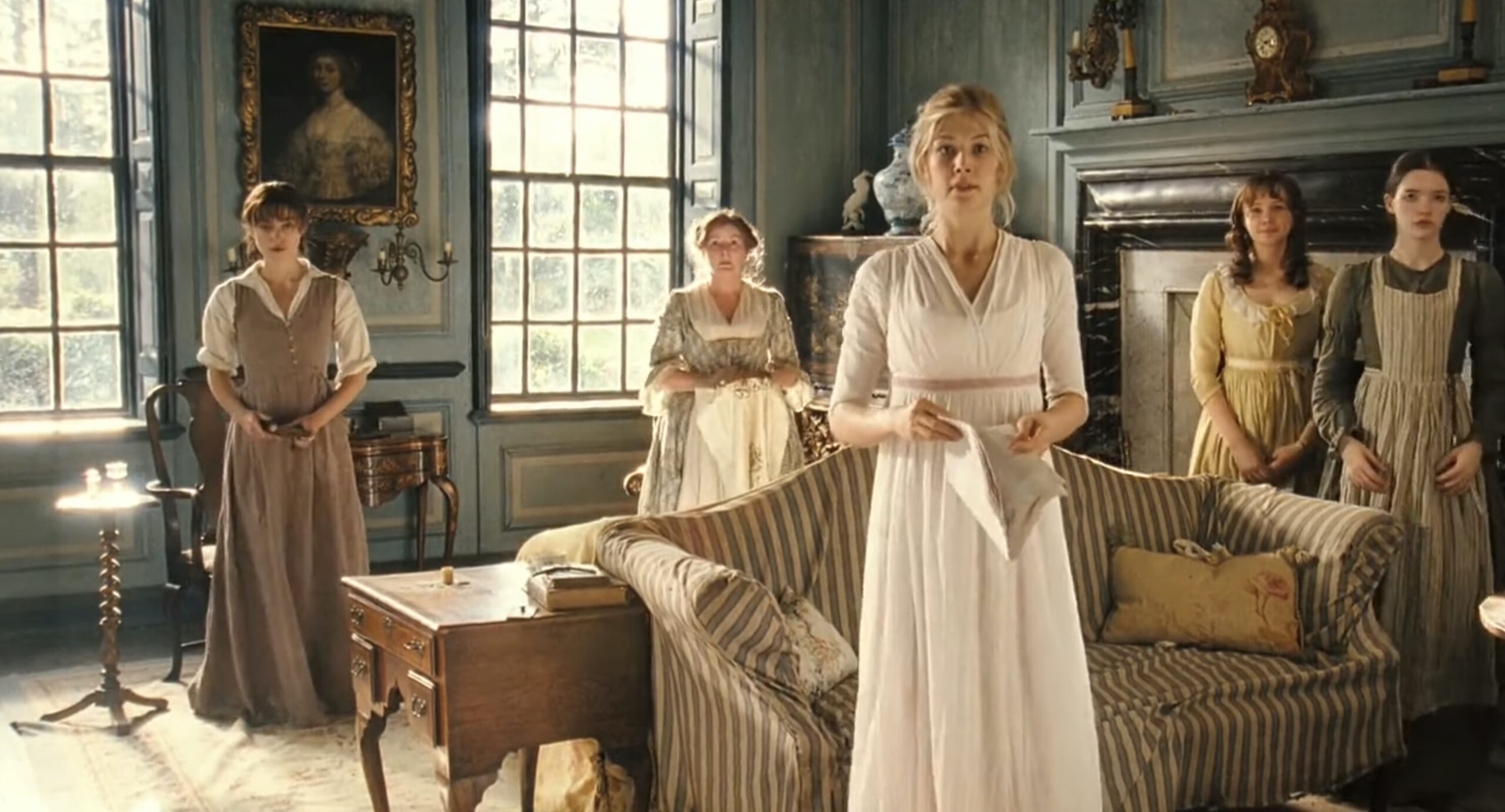
PRIDE & PREJUDICE, 2005 With one of the most tranquil movie intros we’ve ever seen FULL STOP, this 2005 Keira Knightley vehicle begins with our book-toting heroine, Elizabeth Bennet, giving the audience a bit of a tour of her family estate. Over an adorable bridge and through a courtyard of chickens, Lizzy passes into an elegantly disheveled home that’s positively bursting with shabby chic vibes and teenage girls (the pastoral scene is perfectly punctuated with the piano piece “Dawn,” by composer Jean-Yves Thibaudet, playing in the background). Located in Kent England, the moated manor is more literally referred to as Groombridge Place and was built in 1662. The property consists of more than 200 acres with formal gardens, a canal, vineyard, farmland, and something called an “ancient woodland,” which we’re entirely intrigued by. The home is a private one, but the gardens are available for touring. BYO-bonnet.
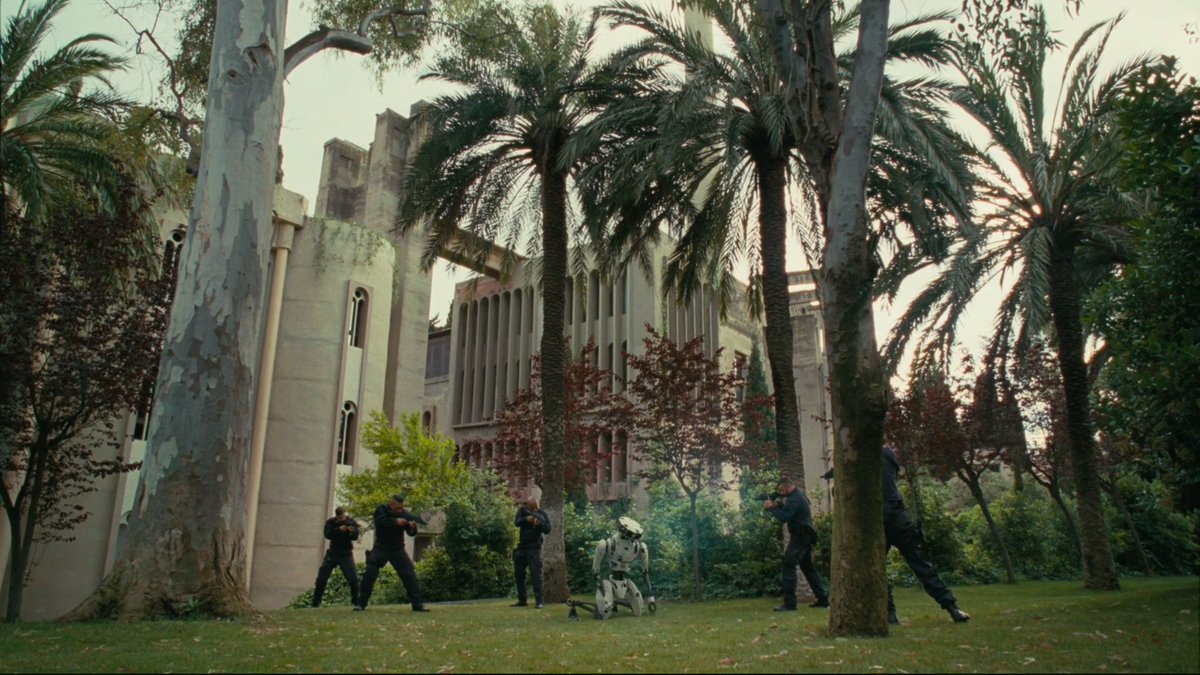
WESTWORLD S3E2, 2020 The tension between the organic and the built has always been its own character in this sci-fi drama about a futuristic theme park gone awry—and, now that the ‘bots are outta the park, the team behind the HBO juggernaut have spread their wings artistically to show us just where the Los Angeles of 2050-something is at, in terms of architecture and design (famed Danish architect Bjarke Ingels even played informal architectural consultant on the latest season). CGI buildings were added to wide shots of downtown LA, but a few sites were shot on location at noteworthy spaces in both Singapore (including the Helix Bridge, Parkroyal on Pickering, Marina One, and Atlas Bar) and Spain (including the stunning City of Arts and Sciences). For our money, though, the scene stealer was one of our all-time favorite structures, Ricardo Bofill’s home and office on the outskirts of Barcelona. La Fábrica, or “the Factory,” had a fitting cameo in episode two as home to the show’s Engerraund Serac, richest man in the world and creator of history’s most advanced AI. Converted by the architect from a functioning cement factory to his jaw-dropping private home in the mid-70s, La Fábrica is an entirely real space, and Ingels helped facilitate filming by connecting the crew with Bofill’s son. Guess it pays to have friends in high places…and an HBO budget.

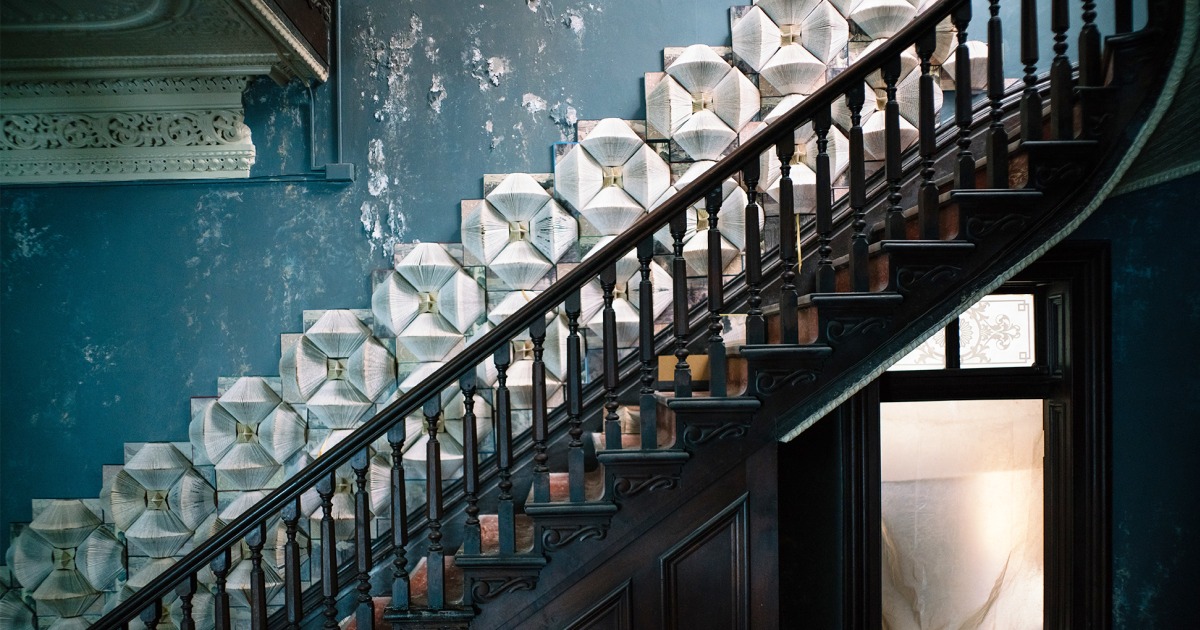
WHERE’D YOU GO BERNADETTE, 2019 In this film adaptation of the book, a well-known and highly respected architect suddenly quits after completing two iconic projects. Unfortunately for all of us, the stunning architectural creations in this film are as fictional as the character herself. The 20 Mile House (Bernadette’s crowning glory), for example, is only ever digitally rendered on screen. However, in bringing to life the other non-existent-but-lauded spaces, the film’s production designer and set decorator took cues from the novel and applied what they knew to be true of the titular character: Bernadette is a modernist, a mess, and a genius on the forefront of creative reuse. Details to watch for: the eyeglass curtain in the Beeber Bifocal House (a house built inside an abandoned glasses factory utilizing the frames, lenses, and catalogs for ultra-modern/amazing decor) and the incredible origami book installation in the staircase of Bernadette’s “current” home.

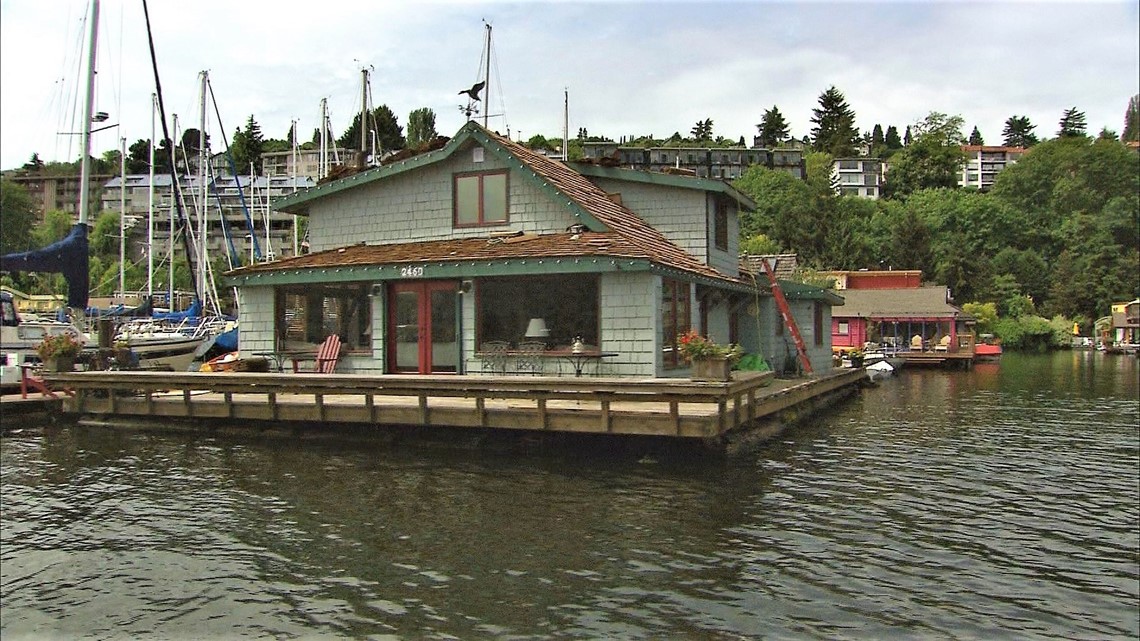
SLEEPLESS IN SEATTLE, 1993 Perhaps the only thing dreamy enough to rival early ‘90s Meg Ryan (she’s so cute!), this casa on the water housed Sam Baldwin and his precocious (if invasive) son Jonah in the 1993 Nora Ephron classic. While the interior may have been somewhat modest for the home of an architect, we think those walls of windows and the wide-open layout of the main level vault this space into the pantheon of cinematic greats. Overlooking Seattle’s (yes, it’s really there!) Lake Union, this 2-story, 2,200 sq. ft. houseboat sold in 2014 for just over $2 million. We haven’t the comps to speculate what it’d go for in today’s market, but we imagine it’s something along the lines of priceless.
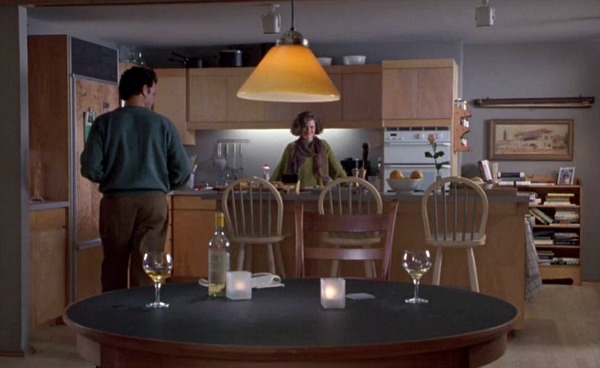
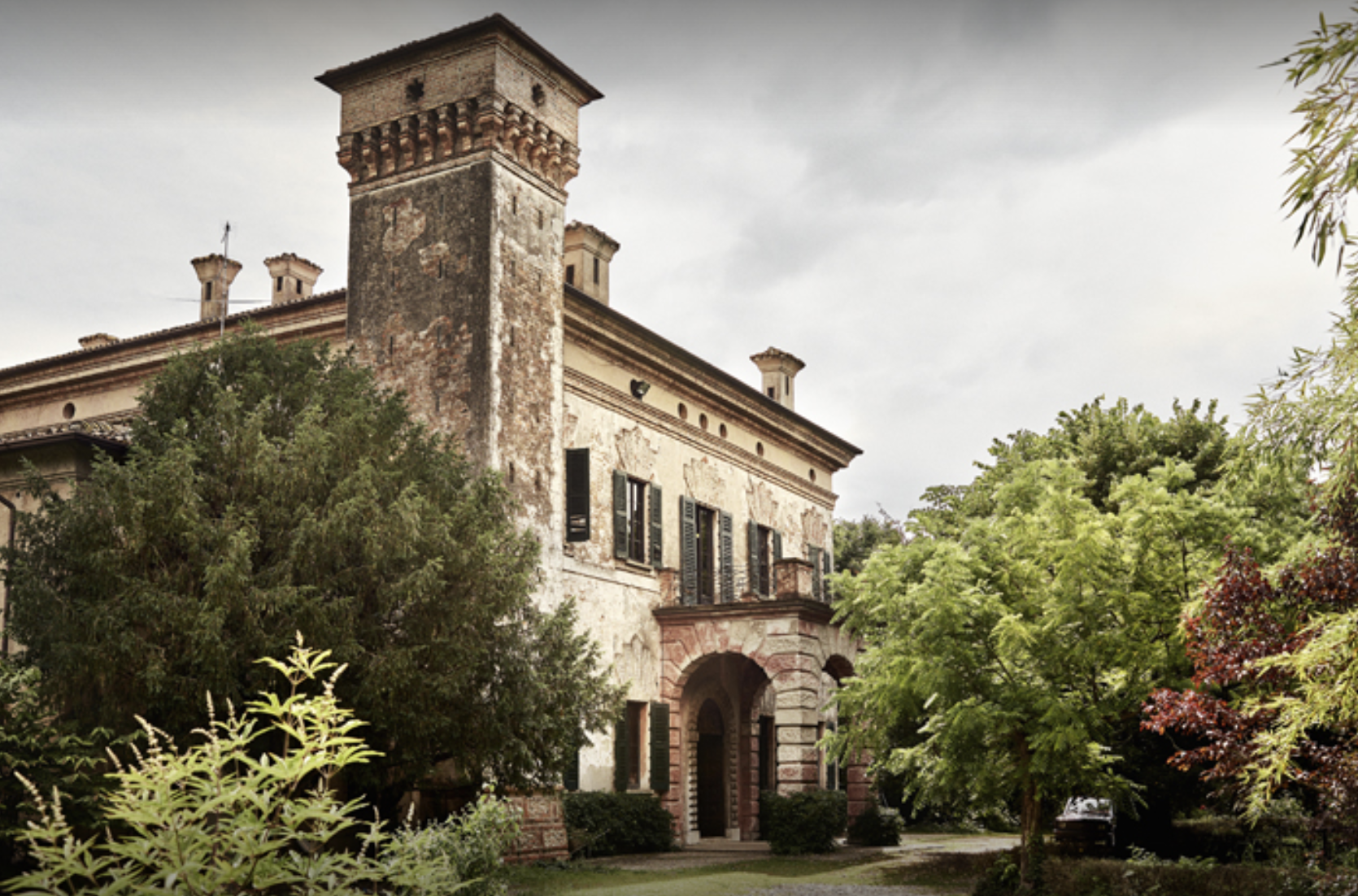
CALL ME BY YOUR NAME, 2017 The mass architectural appeal of the home in this (dreamy) film was probably the result of a few factors: 1) The historic and beautiful Italian villa in which it took place was jaw-dropping; 2) We’ve likely all dreamt of escaping to a historic and beautiful Italian villa for a summer; 3) We’ve likely all dreamt of experiencing an intense sexual awakening in a historical and beautiful Italian villa some summer. Known as Villa Albergoni, the warm, well-worn manor (which dates back to the 1700s or so) still has a few vaulted, frescoed ceilings and is surrounded by five acres (!) of park. It was chosen by CMBYN director Luca Guadagnino, who knew and loved the Lombardy countryside for years and even considered purchasing the property for himself at one point. When filming began, the 15,000 sq. ft. home was mostly empty, so designers dressed it to reflect the intellectually inclined family in the film, ultimately making it feel equal parts cozy and loved, full of books, art, and collected treasures. On the exterior, the only real modification made to the property was that of the small, backyard pool: it was originally a water trough for animals. 10/10 would happily swim in there.

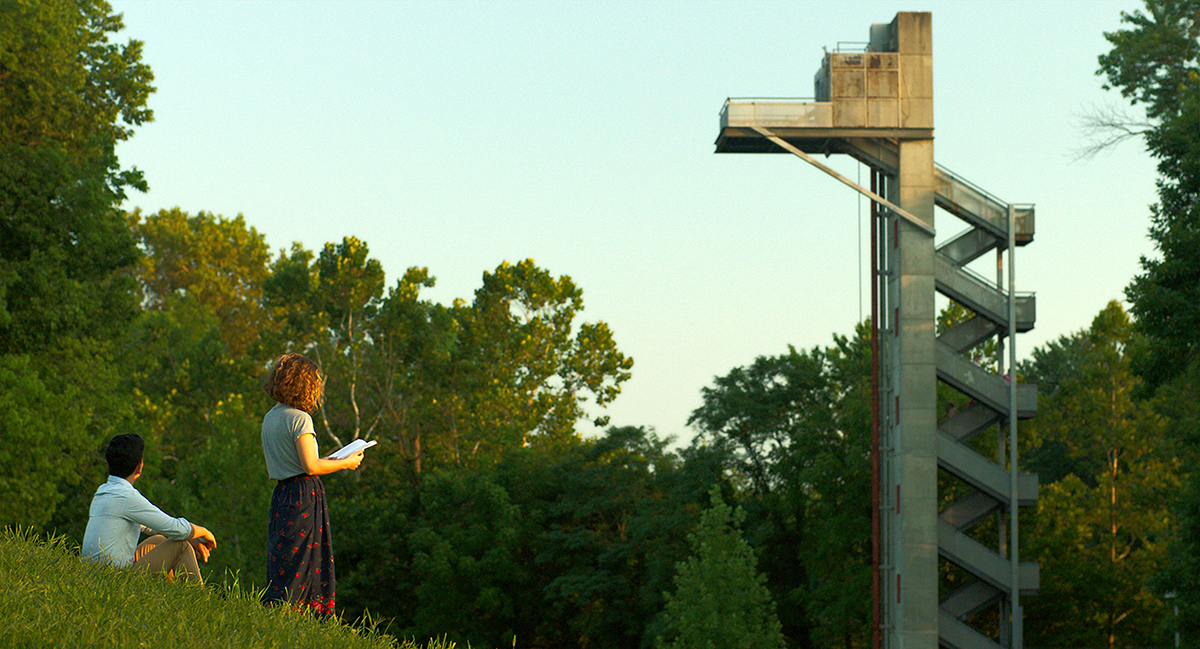
COLUMBUS, 2017 The stunning directorial debut by South Korean-born American filmmaker Kogonada, Columbus is a moving tale of parental absence starring John Cho and Haley Lu Richardson that takes place in the country’s most unlikely modernist mecca: Columbus, Indiana. The film follows Cho and Richardson’s characters as they tour the city, attempting to reconcile their fractious relationships with their respective parents against a backdrop of stunning structures designed by modernists greats like Eliel and Eero Saarinen, IM Pei, Deborah Berke, James Stewart Polshek, and Robert Venturi. As compelling as the dynamic between the two leading figures is, the city’s architectural landmarks also function as characters in their own right, provoking questions about the legacy and long-term success of the movement they belong to. However, most fascinating of all, perhaps, is the real-life story of how a mid-sized city in Indiana came to house works by so many heavy hitters. For that, we have J. Irwin Cummins, then CEO of Cummins Engine Company, to thank. In 1957, Cummins offered to pay the architect fee for any new public buildings so long as the architect was selected from a predetermined list of world-renowned designers. Thanks to this decades-old streak of corporate charity, the city of Columbus still, to this day, sits as one of the most compelling architectural destinations in the world.

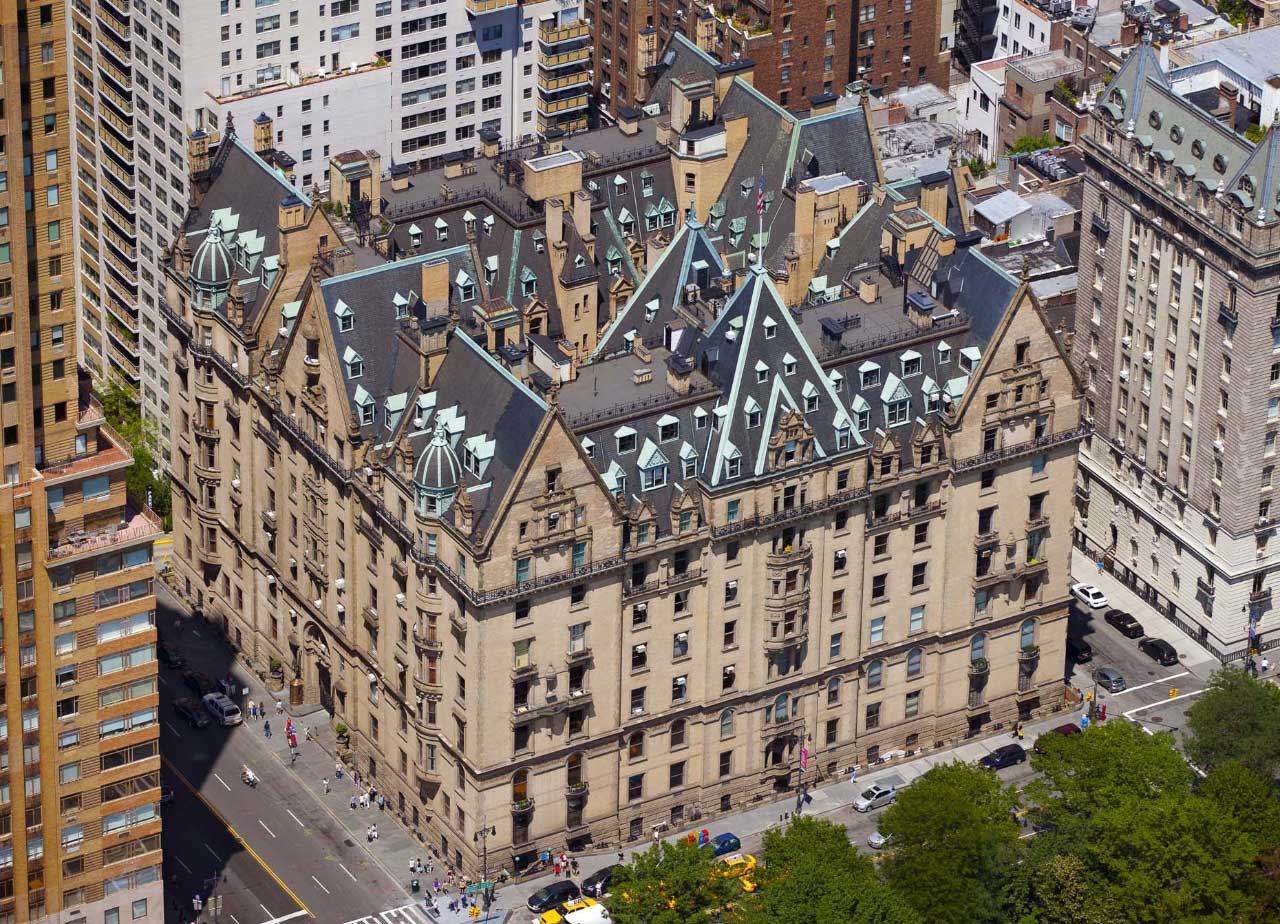
ROSEMARY’S BABY, 1968 #Spookyszn is nearing, and you’d do well to revisit the mother of all horror films (ha!), which features one of the most prime bits of real estate in Manhattan. The UWS’s Dakota building was designed by Henry Hardenbergh (of the Plaza, Waldorf, and Astoria hotels) and opened in autumn of 1884. While the exterior—ornately decorated with gables, deep roofs, niches, balconies, dormers, and balustrades—has an air of North German Renaissance, the interior spaces were designed to meet the French architectural trends of the late 19th century (and no two apartments are alike!). Despite the spooky cinematic history of the film’s “Bramford” building, Rosemary and Guy jump at the chance to fill a vacancy…and, at $4-30 million a pop, these units are even more highly sought-after in real life. But if you can front the chunk o’ change, you’ll be living within the same historic walls as one-time residents Lauren Bacall, Judy Garland, Boris Karloff, John Madden, and John Lennon (who was infamously shot out front).

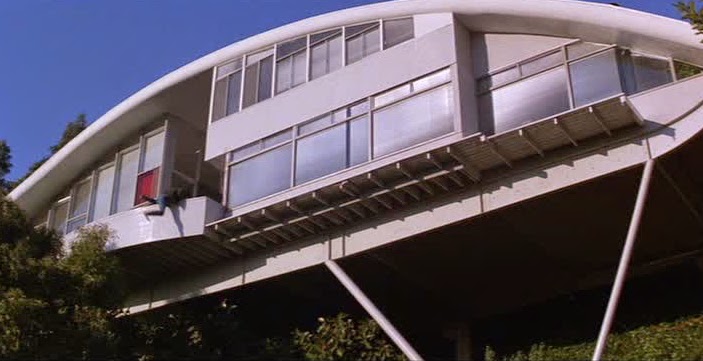
LETHAL WEAPON 2, 1989 While Mel Gibson’s mullet and Danny Glover’s sentiments of being “too old for this shit” are inarguably the stars of this buddy cop franchise, we think the “house on stilts” in the sequel is a bit of a scene-stealer in its own right. As Gibson’s Riggs says, “Nobody who lives in a house like this can be completely innocent,” and while we resent that sentiment that modern architecture always begets villain hideout, it turns out, in this case, Riggs and Murtaugh had it right on the nose. The arched home on Mulholland Drive is John Lautner’s Rainbow House (or Garcia House), originally built in 1962 for jazz musician and composer Russell Garcia. Thankfully, it was only a replica of the space that was pulled down by the stilts with merely a cable, a pick-up truck, and the sheer will of a maverick cop who doesn’t play by the rules. Off-screen, the home was recently purchased by a DreamWorks exec who restored the space to its original glory—and added the pool from the original Lautner plans!
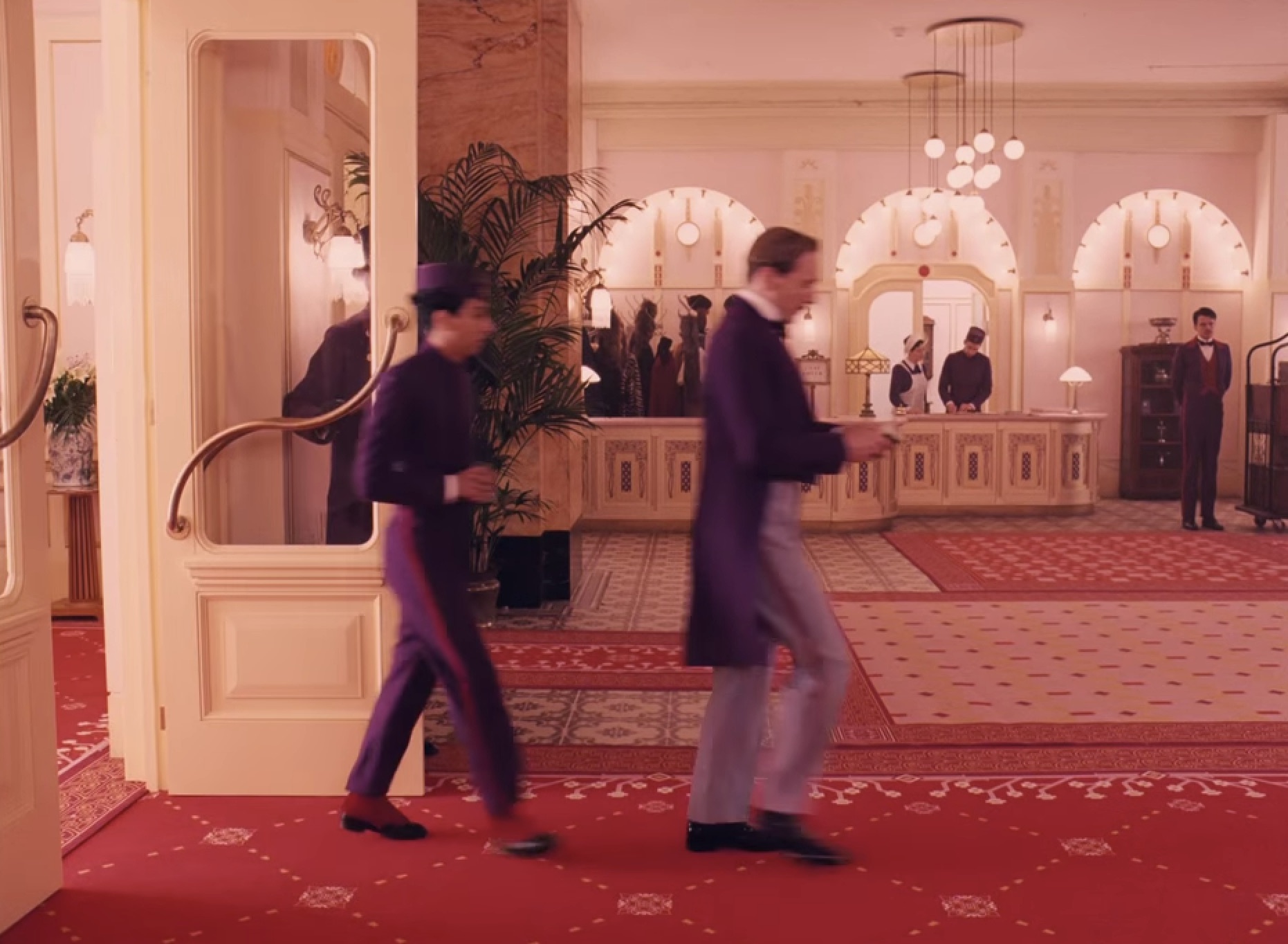
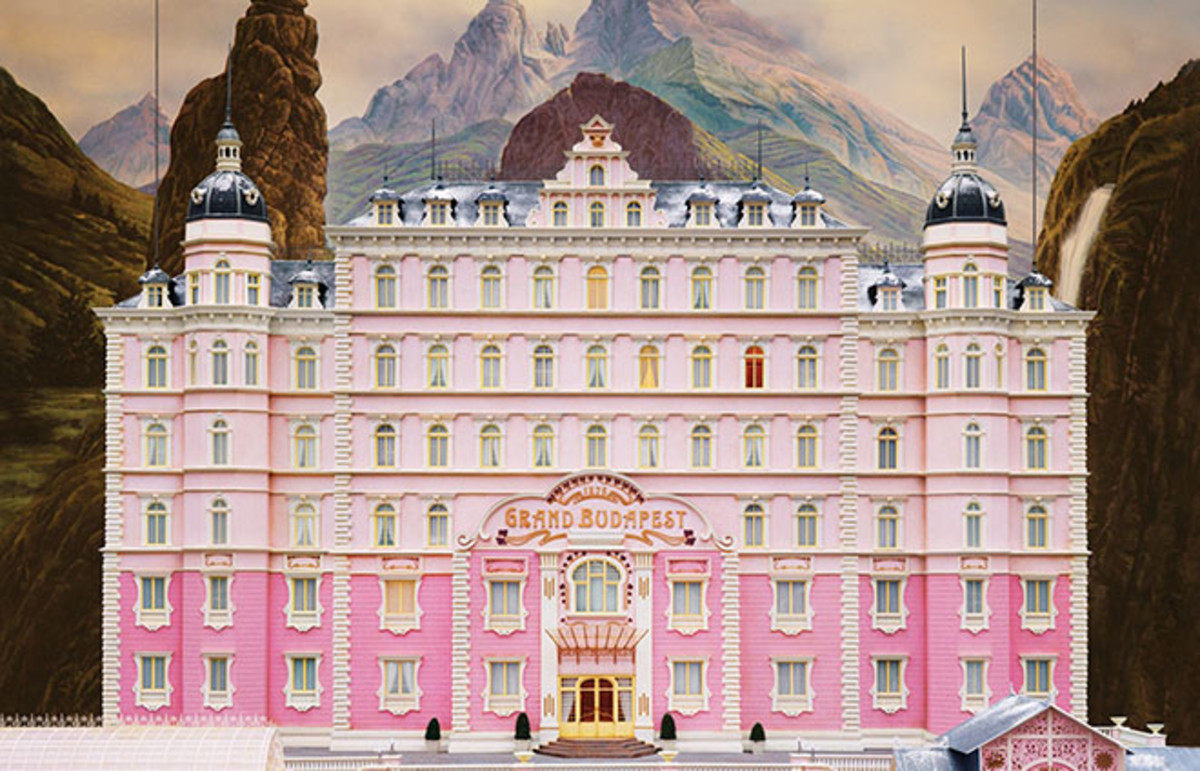
GRAND BUDAPEST HOTEL, 2014 We love us some Wes Anderson-flick production design, and the patisserie-colored sets on which this 2014 dramedy takes place are perhaps his crowning achievement, in terms of architecture. The titular character is the hotel itself, which—cinematically speaking—takes place in a destination ski town in the fictional Eastern European country of Zubrowka. As with any Anderson film, the vibrant settings here (care of production designer Adam Stockhausen) play a pivotal role of their own, and make the perfect backdrop against which to watch concierge Monsieur Gustave H. and lobby boy Zero race around with “Boy with Apple.” The campy, frosting-pink exterior (inspired by old photochrom prints of alpine resorts) was created only in adorable miniature form, but the vibrant interior shots were filmed in the abandoned Görlitzer Warenhaus department store in Görlitz, Germany.
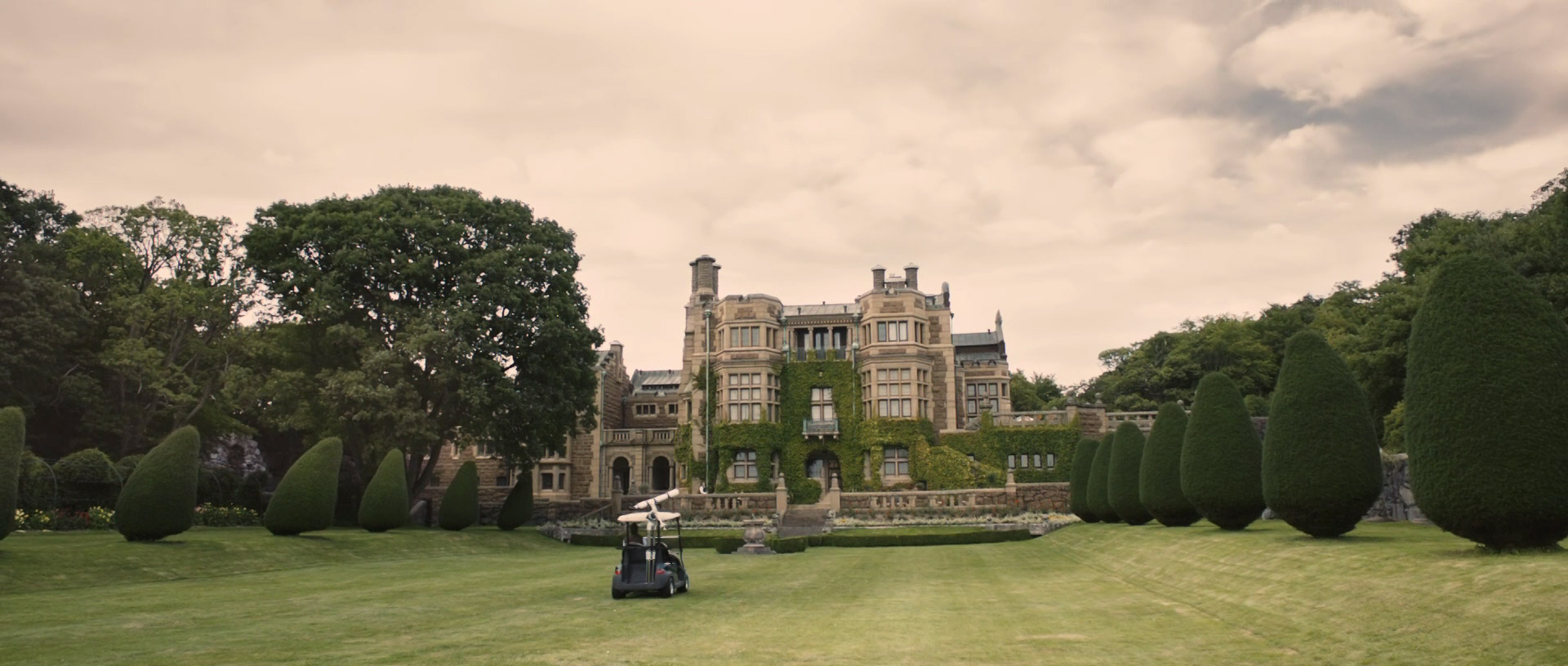
MELANCHOLIA, 2011 The stunning, seaside estate in this film (see: macabre intersection where beautiful wedding meets world-ending disaster) is something of a show-stealer. The movie certainly can’t be qualified as an “upper,” but we think the Tjolöholms Castle just might make you feel a bit of architectural joy, even as a planet hurtles toward Earth in a terrifyingly surreal way. Located in Sweden, this Arts & Crafts-inspired structure was completed in 1904, though the estate itself dates back to the 13th century when it was part of a Danish king’s land registry. The location was used not only for the incredible exterior scenes in Melancholia, but also for much of the interior shooting as well. Lucky travelers, this perfect property is open for garden strolls and guided tours, but you can also book the castle for your wedding–talk about a grand affair.

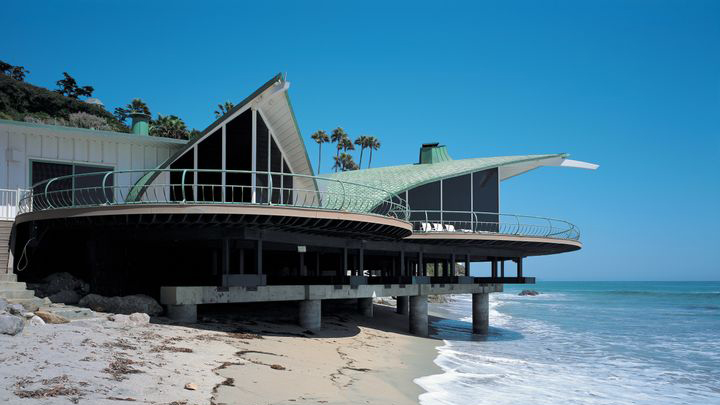
YESTERDAY, 2019 While this feel-good, fab four-infused flick takes place in an alternate reality wherein no one has ever heard of The Beatles except for protagonist Jack Malik, the Malibu beach house in which his cutthroat music agent, Debra Hammer, resides is very real. The Cooper Wave House was built in the late 1950s by California architect Harry Gesner, who’s rumored to have first sketched the space on the back of his surfboard using only a grease pencil. And, while we’re in the rumor mill, this modest beach shack is also alleged to be one of the points of inspo for the Sydney Opera House’s design.

Founded in 1850 before Utah was a state…
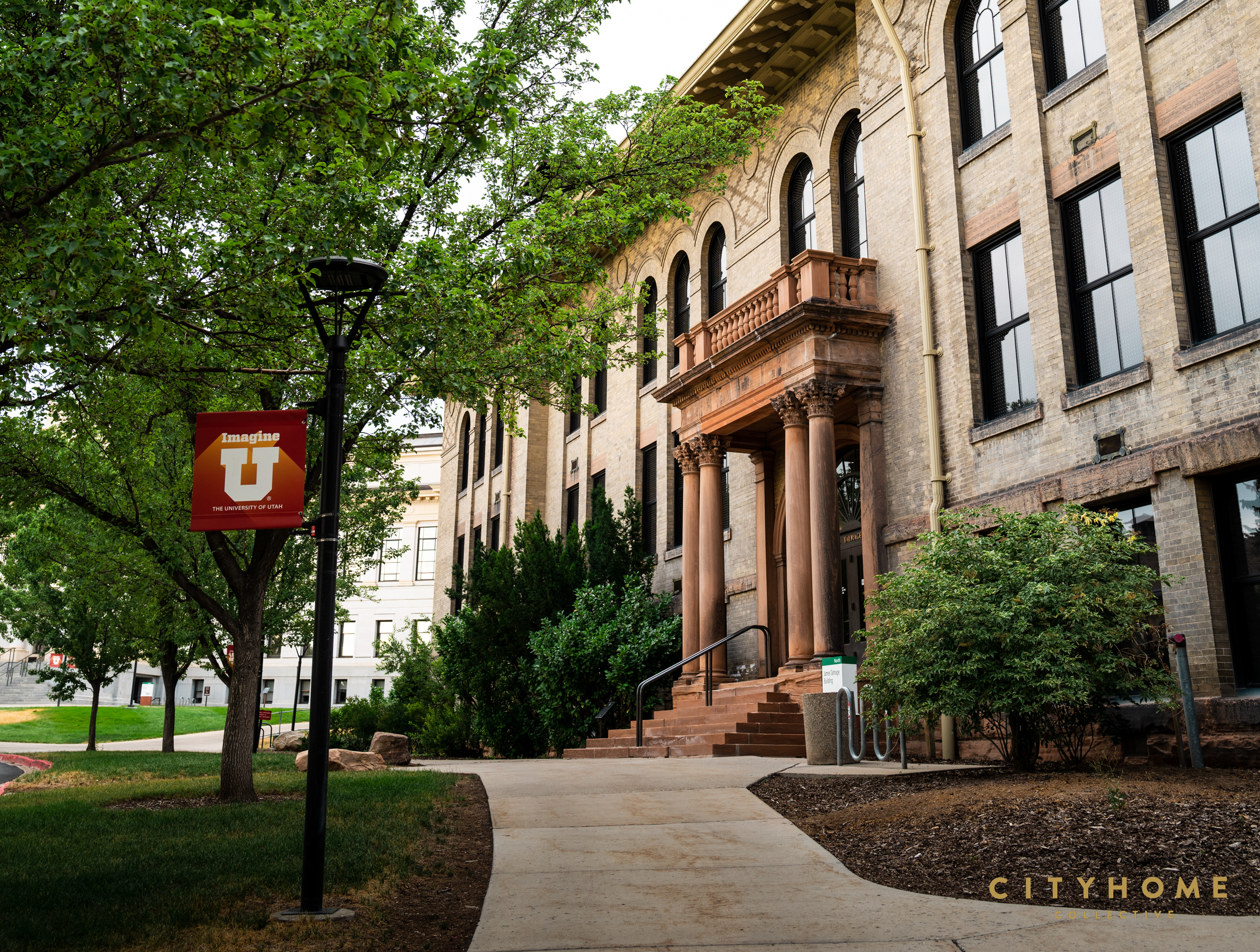
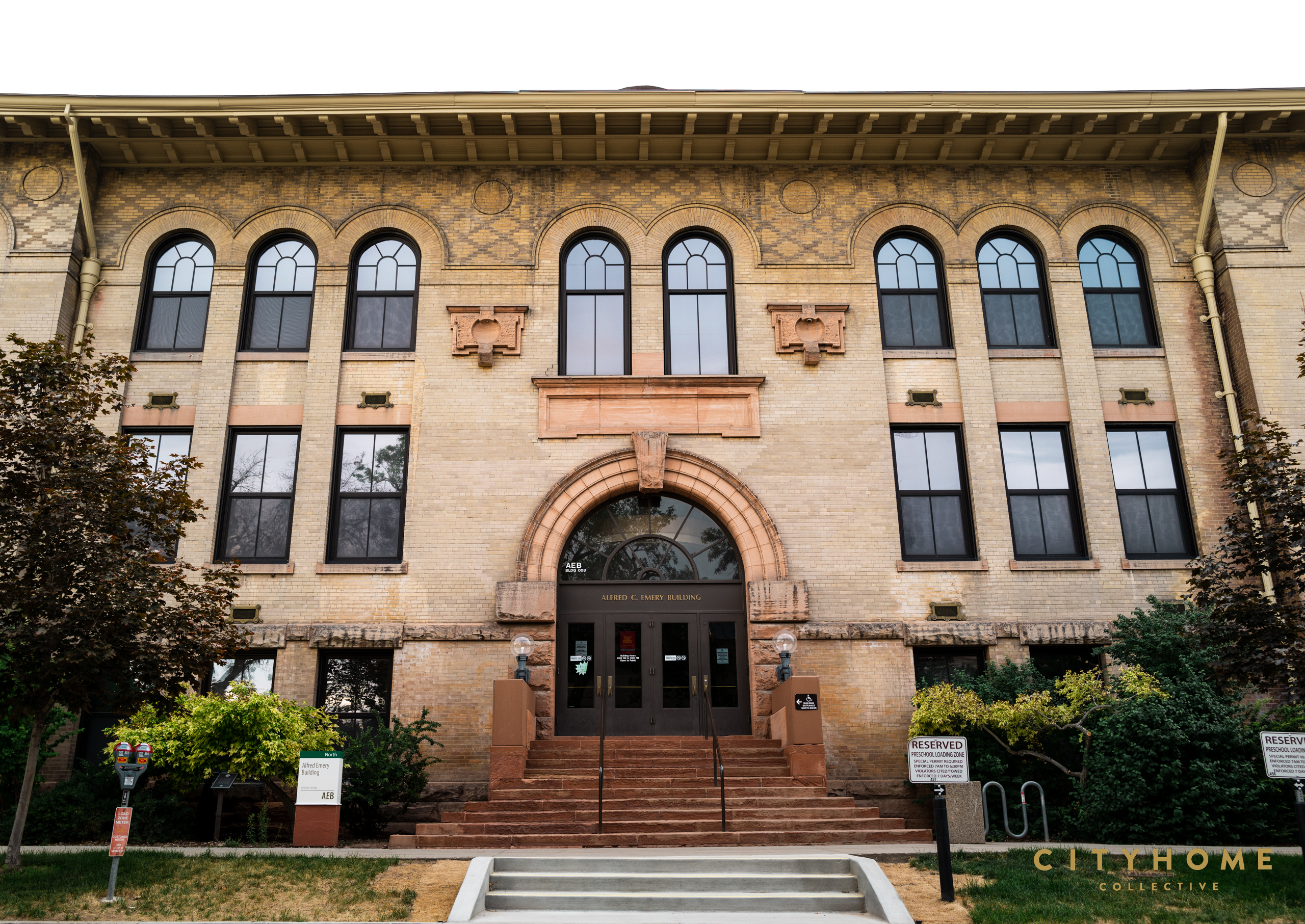
The University of Utah campus is an amalgamation of architectural aesthetics, reflecting the times in which a building is conceived and constructed. Having spent formative years up at the U during undergrad and graduate school, the east bench location creates a unique place in the city for me.
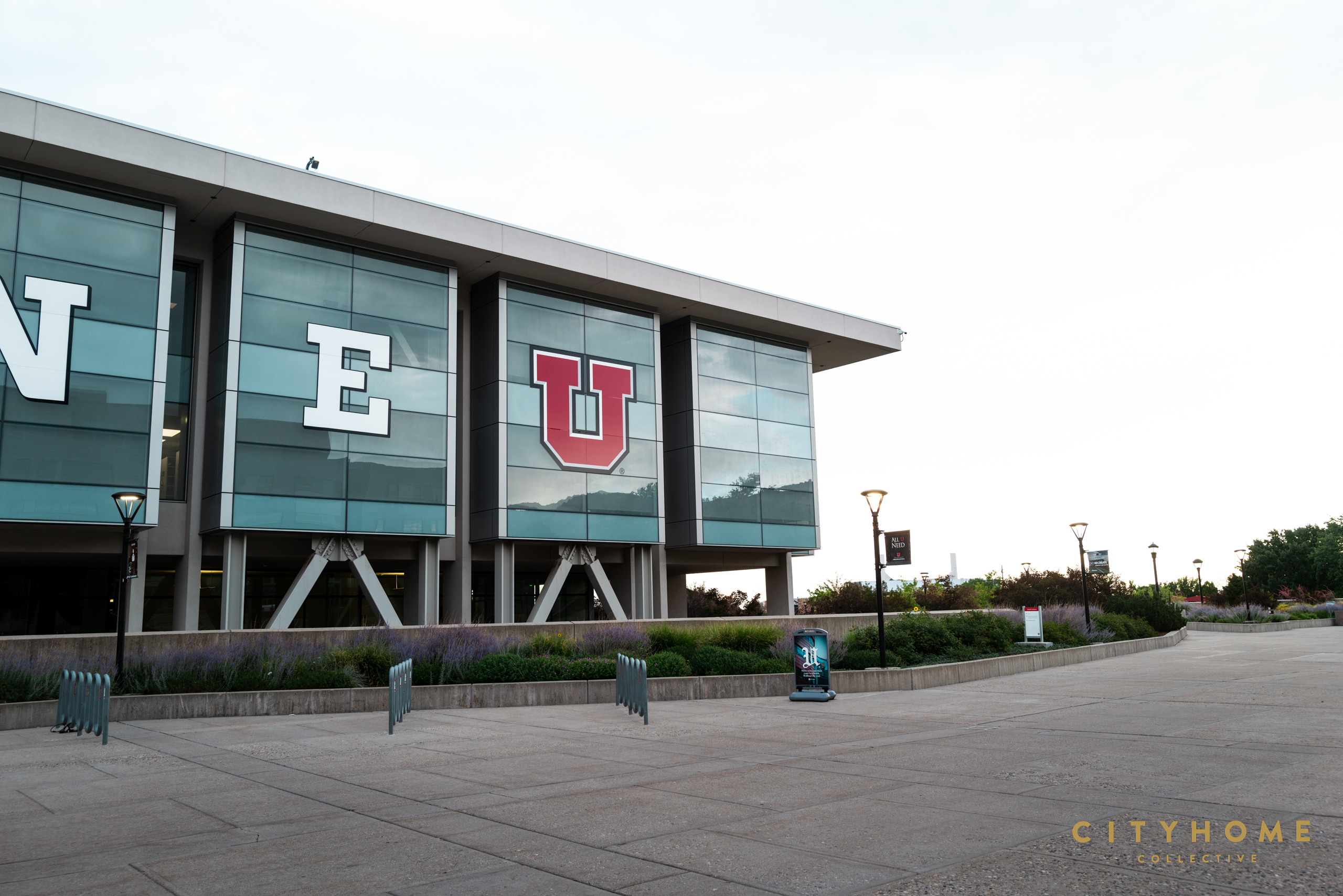
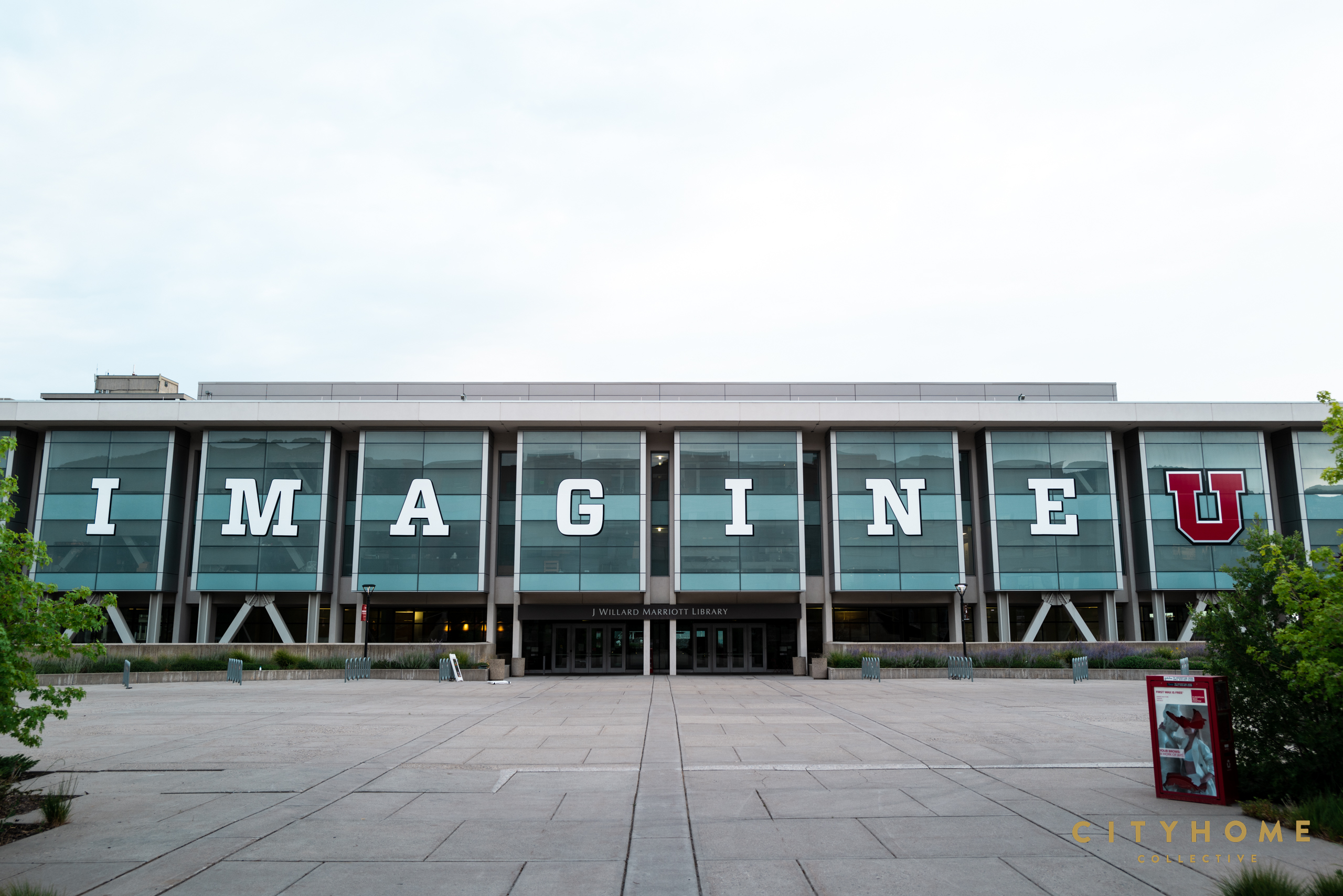
Modern: At the physical heart of the campus, the Marriott Library represents the rigid principals of modern architecture, containing a place for research and gathering. The tradition of limiting natural light to protect books and documents was peeled away during a remodel in 2009 by local firm MJSA – massively opaque concrete walls were replaced with simple glass volumes, opening the interior to overlook our city and mountains.
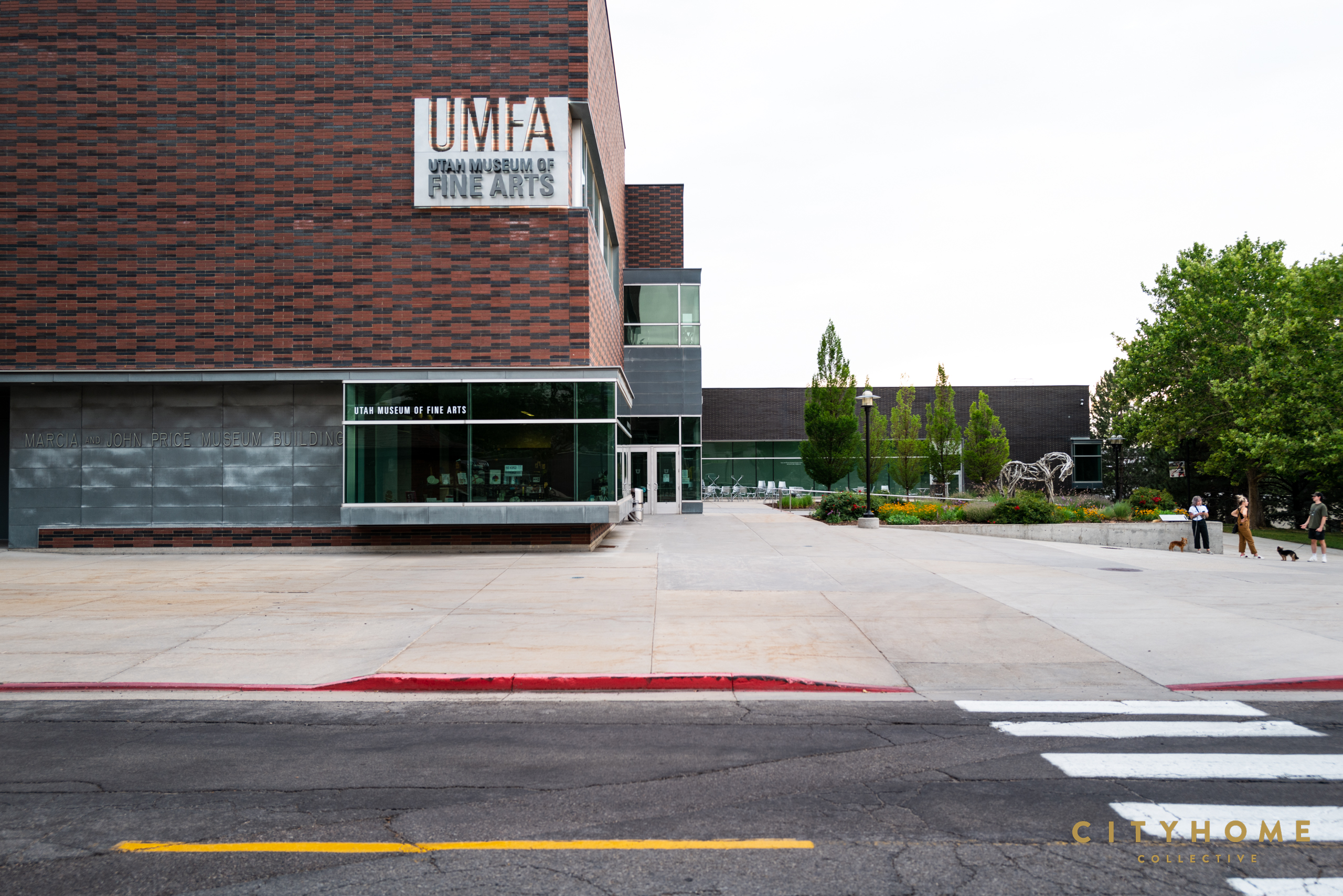
Contemporary: The Utah Museum of Fine Arts [UMFA] designed by Machado Silvetti [local architect Prescott Muir] houses ancient, classical and contemporary art in galleries which vary in as diverse proportions as the showcased work. The visitor experiences vantages across gallery spaces while perusing the museum. One of our international professors dubbed the UMFA in their ‘Top 10’ buildings in the world!
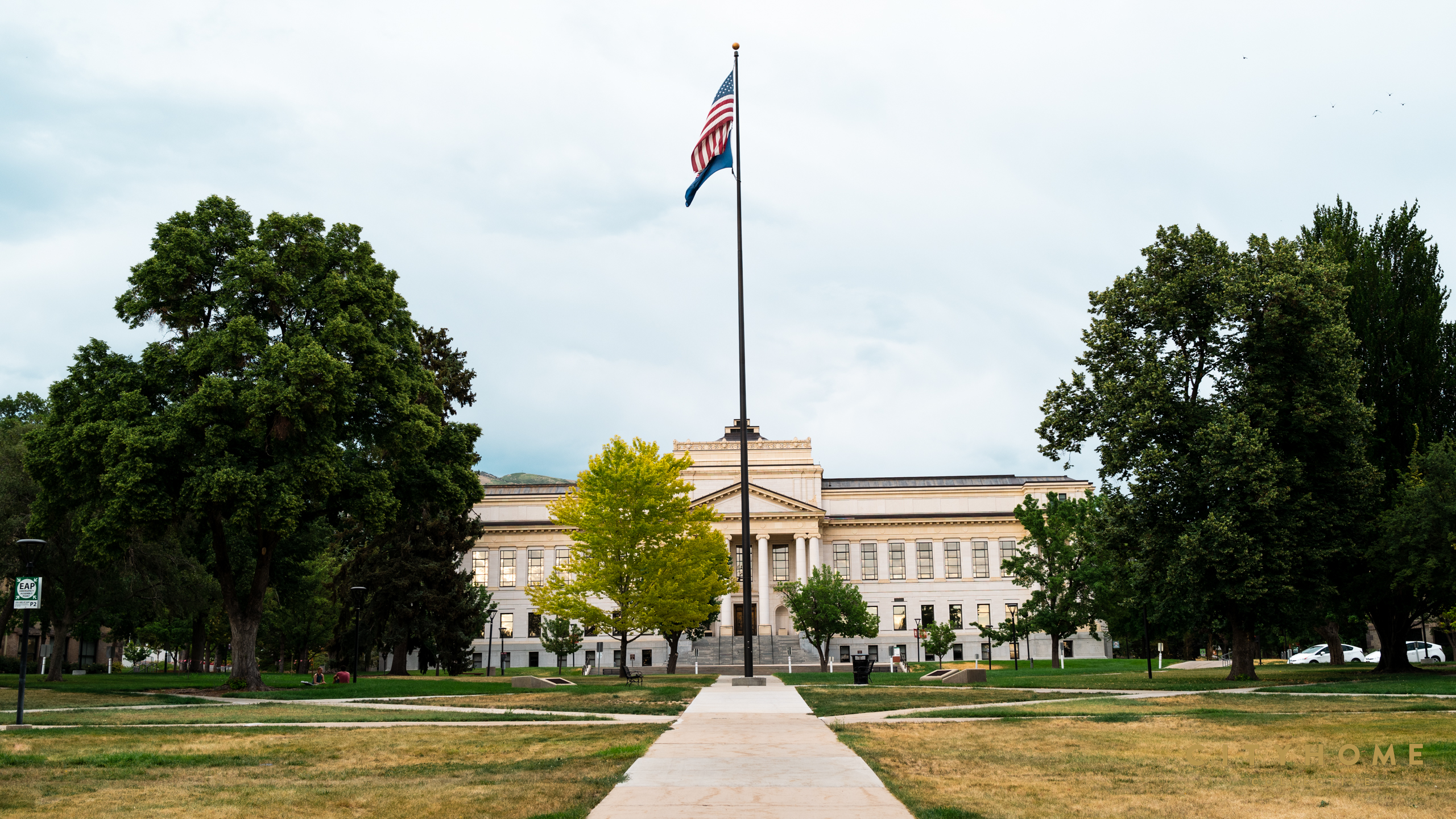
Neoclassical: Regally referred as President’s Circle, this gateway to the University is indeed encircled with architecture by the locally renowned Richard Kletting. Inspired by the classical design virtues of order, rhythm and balance, the collection of neoclassical buildings around a park-like setting creates a space in the ideal of a college campus.
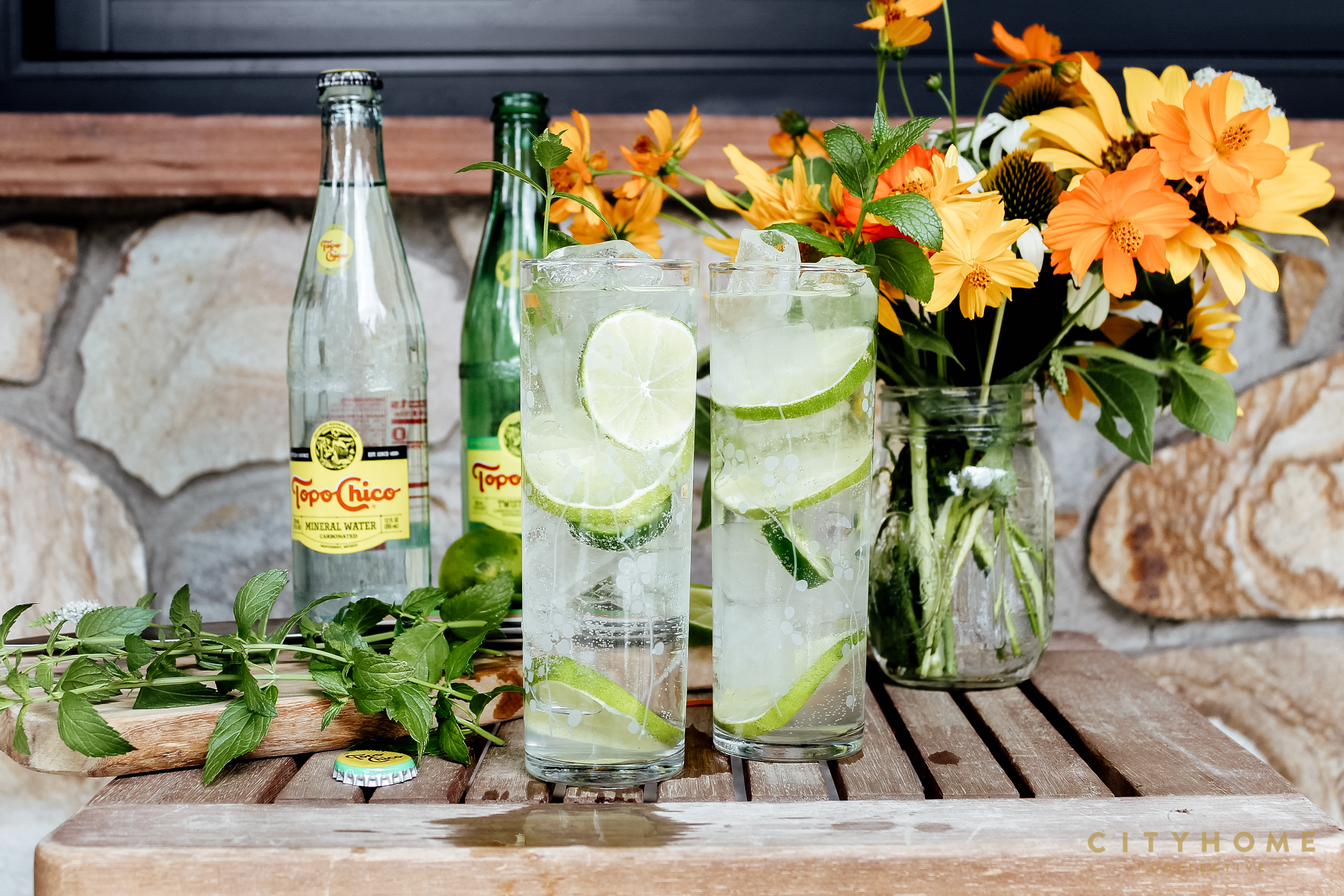
Few sippers are as satisfying on a hot summer afternoon as Ranch Water. The origins of this dangerously easy-drinking decoction have been contested ‘til the cows come home, but most drink historians agree that Ranch Water’s lineage is linked to the fluid and flavorful cultural stomping grounds of the Texas/Mexico borderlands.
Though now you’ll find it mass-produced in the form of canned cocktails coast-to-coast, we highly recommend returning to the basics of constructing this beauteous beverage as your deity of choice and the denizens of West Texas intended it…
Just a simple combo of tequila, fresh lime juice, and Topo Chico (only Topo Chico) fizzy water, bottled in Monterrey, Mexico since 1895.
From those basics, the iterations and additions are where the fun comes in. Sub in flavored Topo Chico (like “touch of lime”) for plain mineral water, swap out unaged tequila with a deeper reposado, add herbs like mint or basil, throw in a slice or two of fresh jalapeño, or squeeze in fruity additions of melon, pineapple, or grilled stone fruit. The options are as limitless as that big ol’ Texas sky.
Ranch Water (makes one)
- 2 oz. tequila blanco
- 1 oz. fresh-squeezed lime juice
- 4-6 oz. Topo Chico mineral water
- Garnish: lime wheels
To a Collins or rocks glass filled with ice, add the tequila and lime juice. Slowly fill the glass with mineral water and stir gently to combine. Add more ice as needed and garnish with lime wheels. Drink up!

Just east of Downtown and practically spooning with the University lies Central City: a ‘hood that’s ideal for those who want the quiet, communal feel of The Aves without sacrificing the convenience of city living. Homes here range from historic multi-family to stoic new-builds, but nearly all of them are within a stone’s throw of some of SLC’s most notable perks. This bustling area is a mixture of local businesses and quiet, unassuming streets for a “best of both worlds” kind of win. Pop out to a park, grab a patio seat, or hop the TRAX to the University…those lucky enough to live here are close to just about all the goods this city’s got.
1. Trolley Square. This old streetcar hub was converted into a shopping center in 1972, and the combination of indoor/outdoor space, brickwork, stairways, and local businesses make it one of SLC’s most endearing spots to shop (Weller Book Works, Cabin Fever, Tabula Rasa, Hive Market, and Normal Ice Cream’s adorable truck included). Our favorite part: the water tower out front glows with both weather-forecasting neon and a healthy dose of charm.
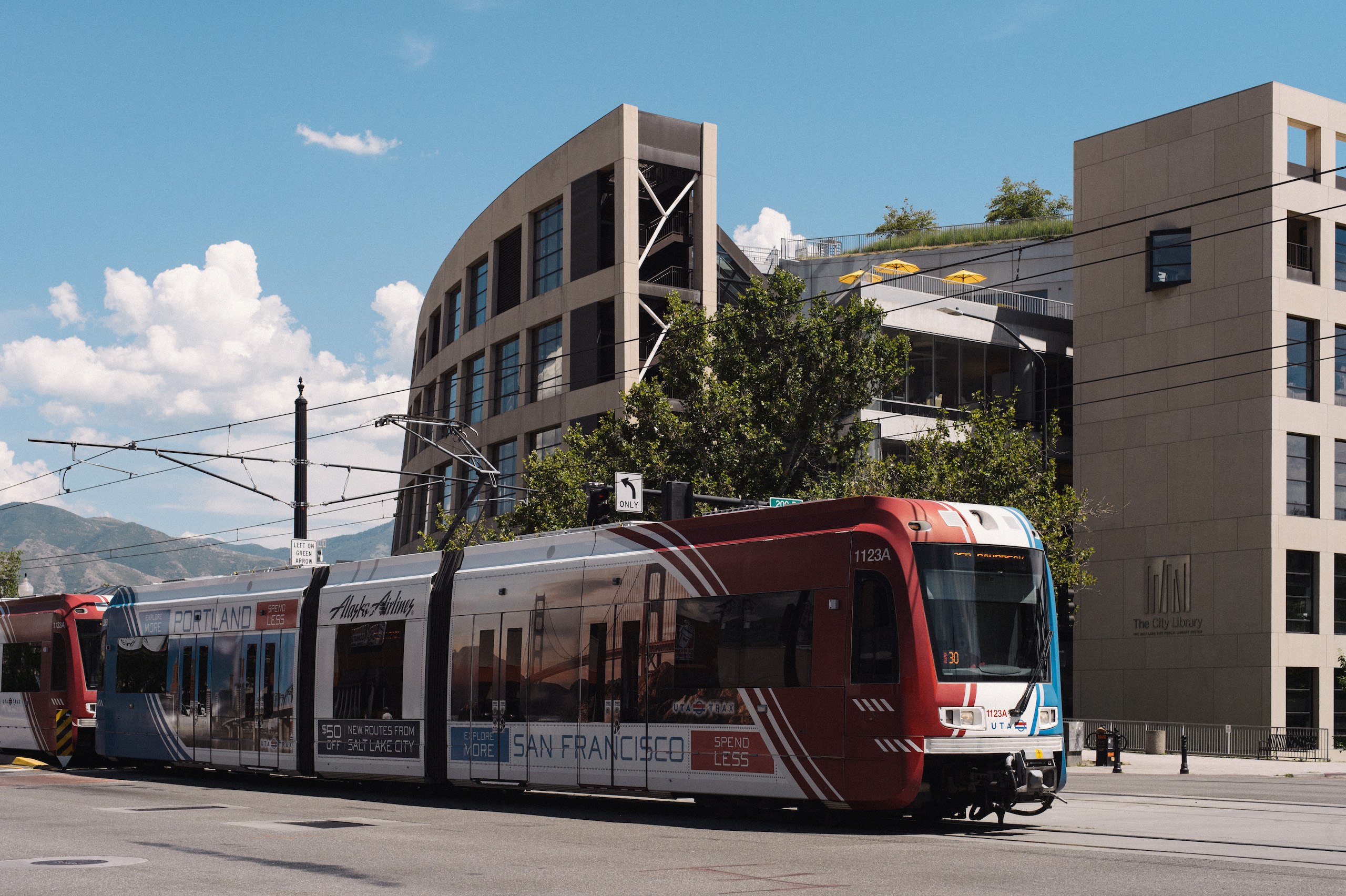
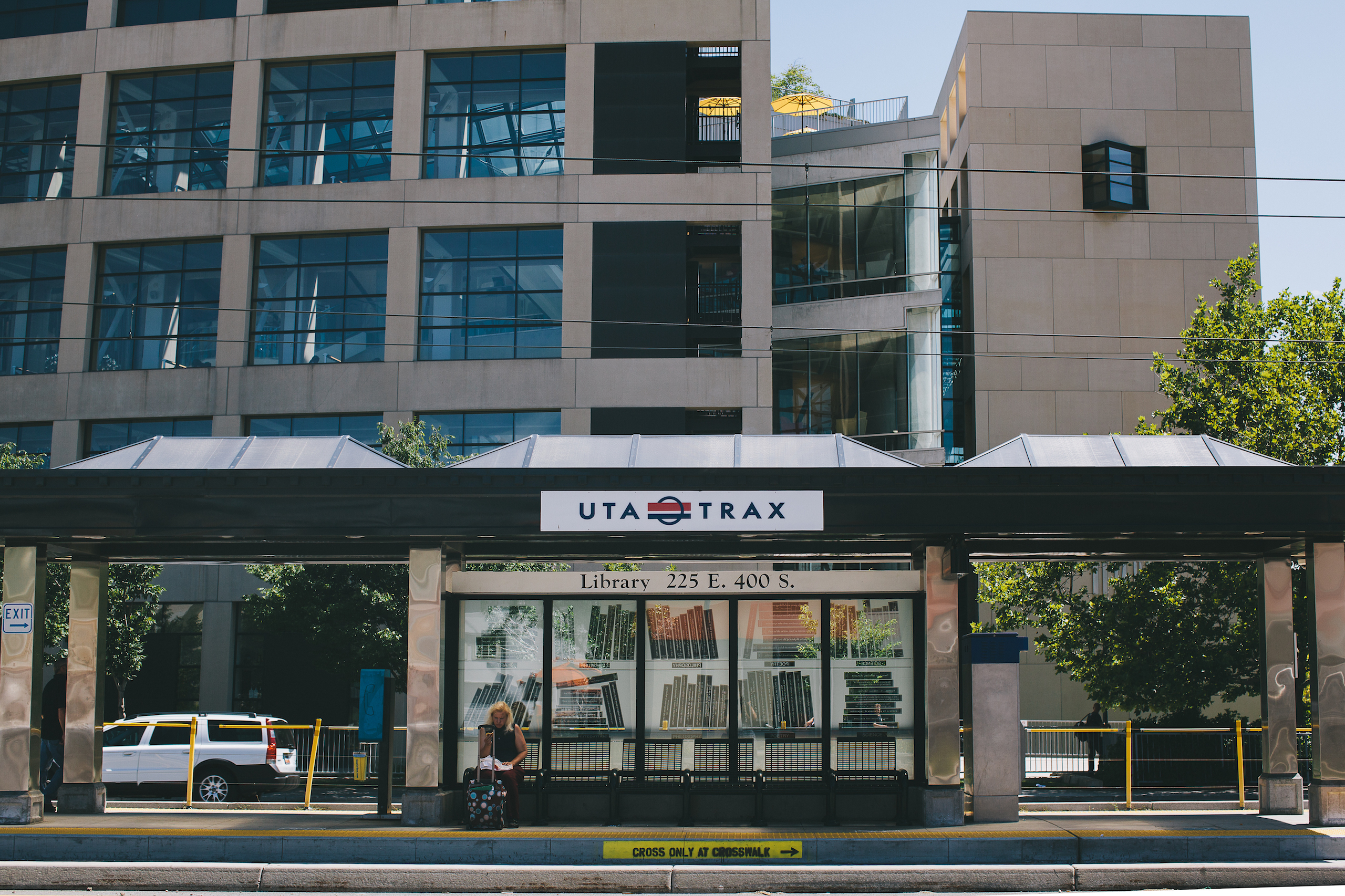
2. Public Library. Designed by Moshe Safdie and completed in 2003, the Downtown Public Library is a true work of art. The five-story structure—with a curved, glass, north-facing wall and rooftop garden that holds multiple beehives—holds half a million books as well as shops, a cafe, multi-level reading areas, fireplaces on four levels, and an auditorium. The whole thing is situated on Library Square: a public plaza with peaceful, urban green space.
3. Food! In truth, one of the greatest aspects of this neighborhood is its relative proximity to good food in just about every direction. Whether you’re on the hunt for a burger (helloooo, Crown Burgers), Greek (The Other Place), a cozy-casual brunch (yes, you, Cafe Niche), or a vegan jackfruit burrito (a la Bud’s), chances are you’ll find what you seek in these streets. A few more noteworthy tried-and-trues: Rye, HSL, Gourmandise, Oasis Cafe, Yoko Ramen, Stanza, Oquirrh, Coffee Noir.

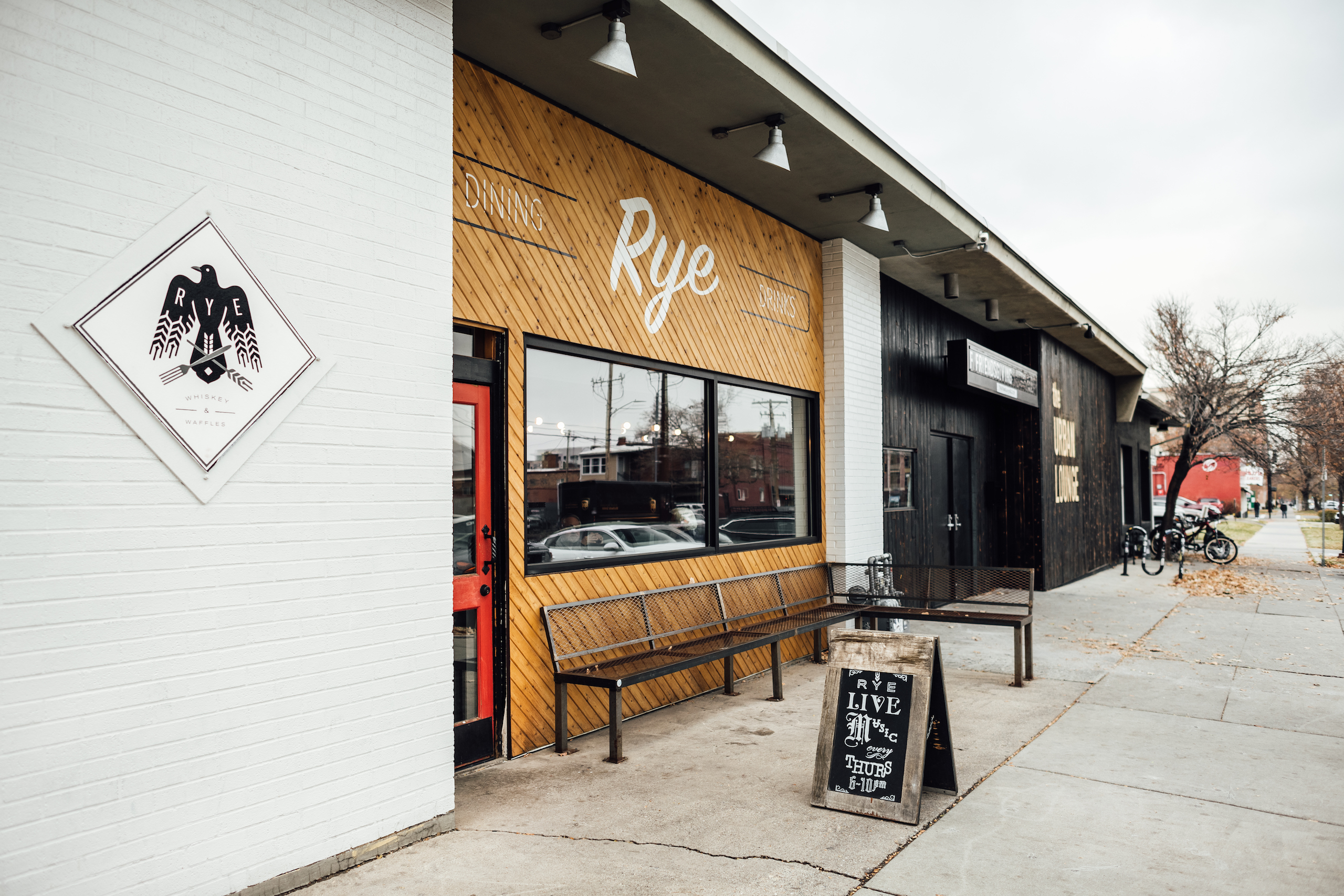
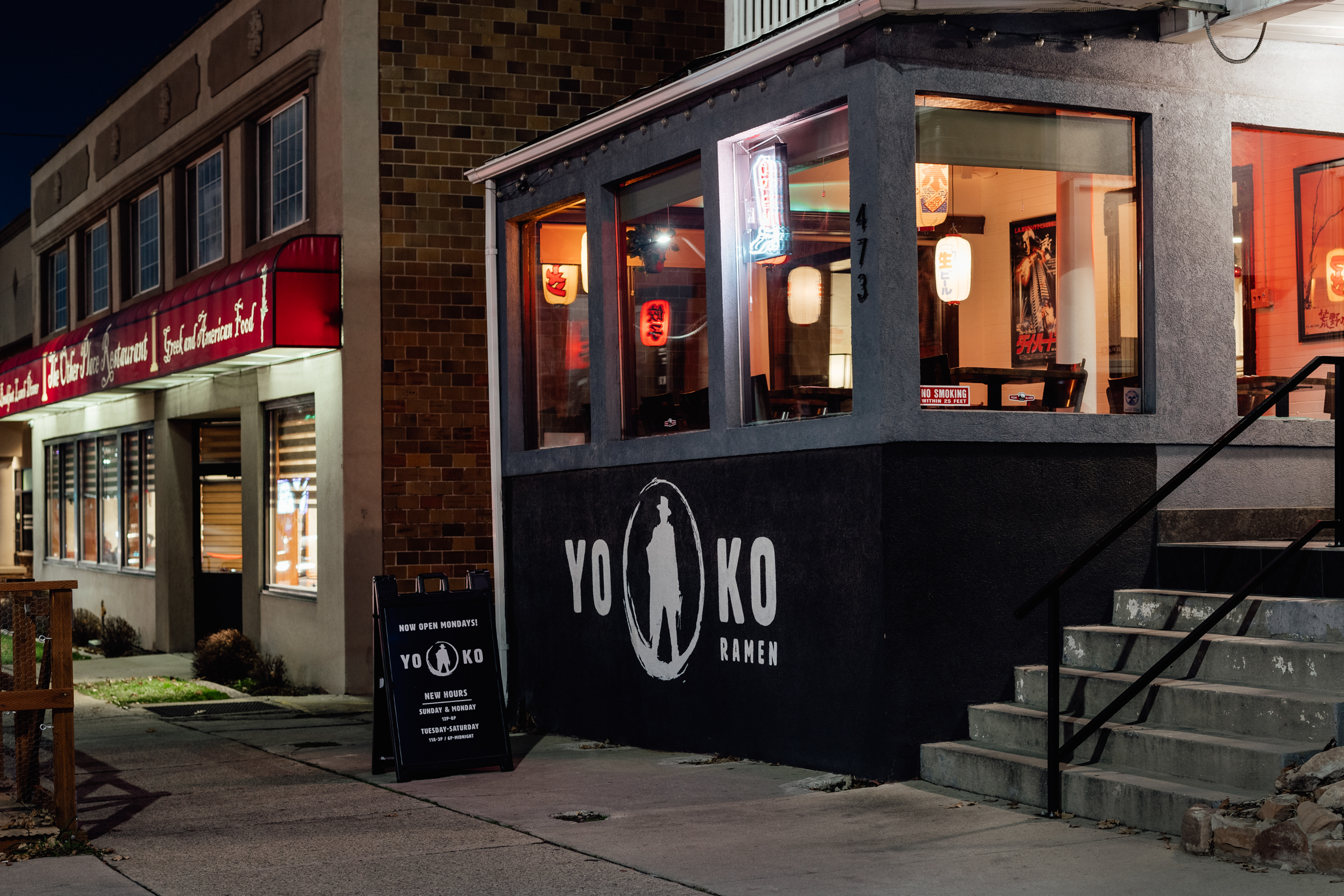
4. Community gardens. We adore a mid-city, public green space, and this sector of SLC has no shortage of ‘em. Wasatch Community Gardens has several beautiful plots around the city, including centralized patches like The Grateful Tomato Garden, the 4th East Garden, and the Off-Broadway Community Garden. For an experience that’s equal parts Utah culture-rich and a total trip, it’s hard to beat Gilgal Sculpture Garden. Created by Thomas Battersby Child Jr. throughout the 20th century, the garden contains 12 original sculptural arrangements and over 70 stone slabs engraved with scriptural, philosophical, and poetic text. Weird? Very. But an absolute must-see-at-least-once for any Salt Laker.
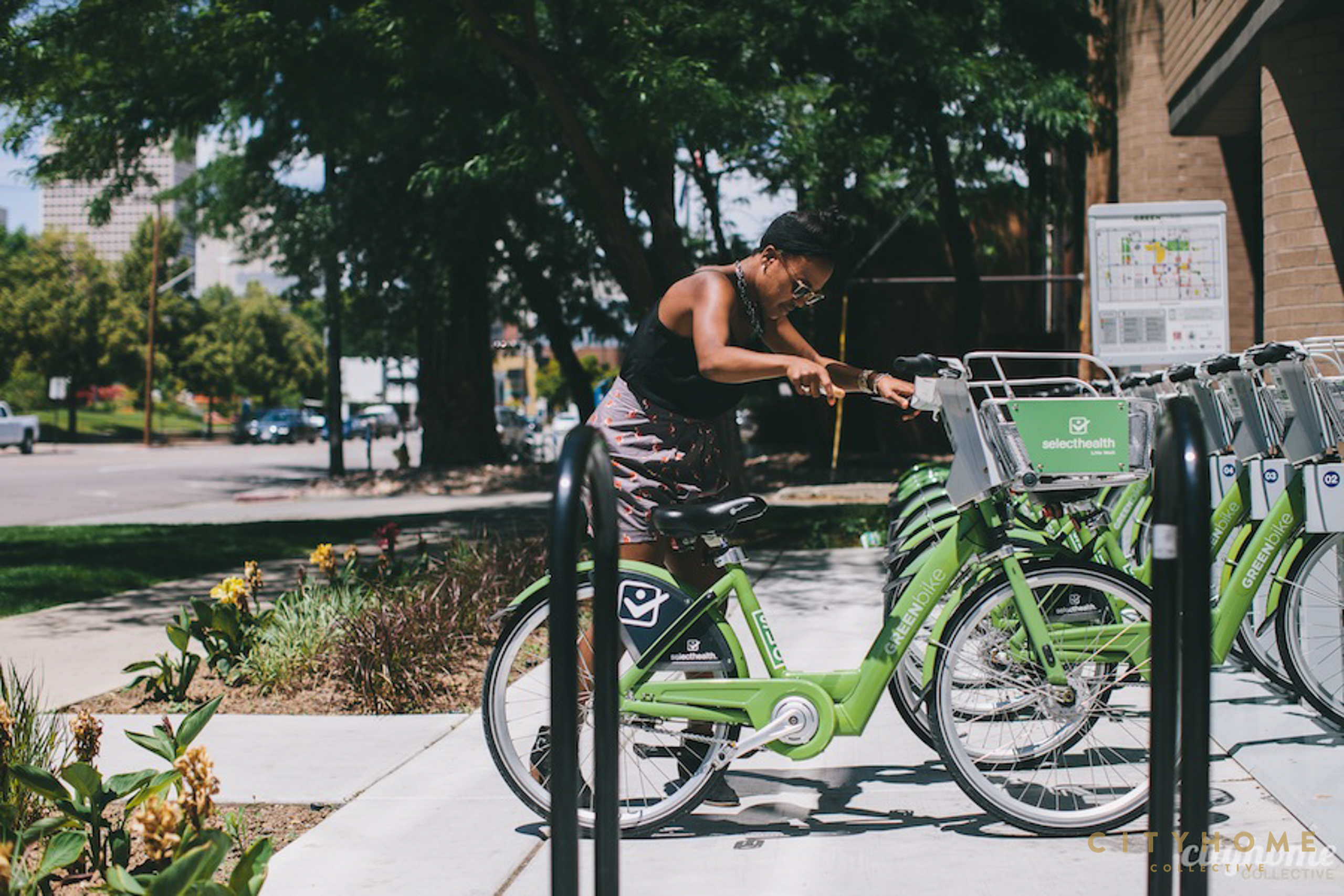
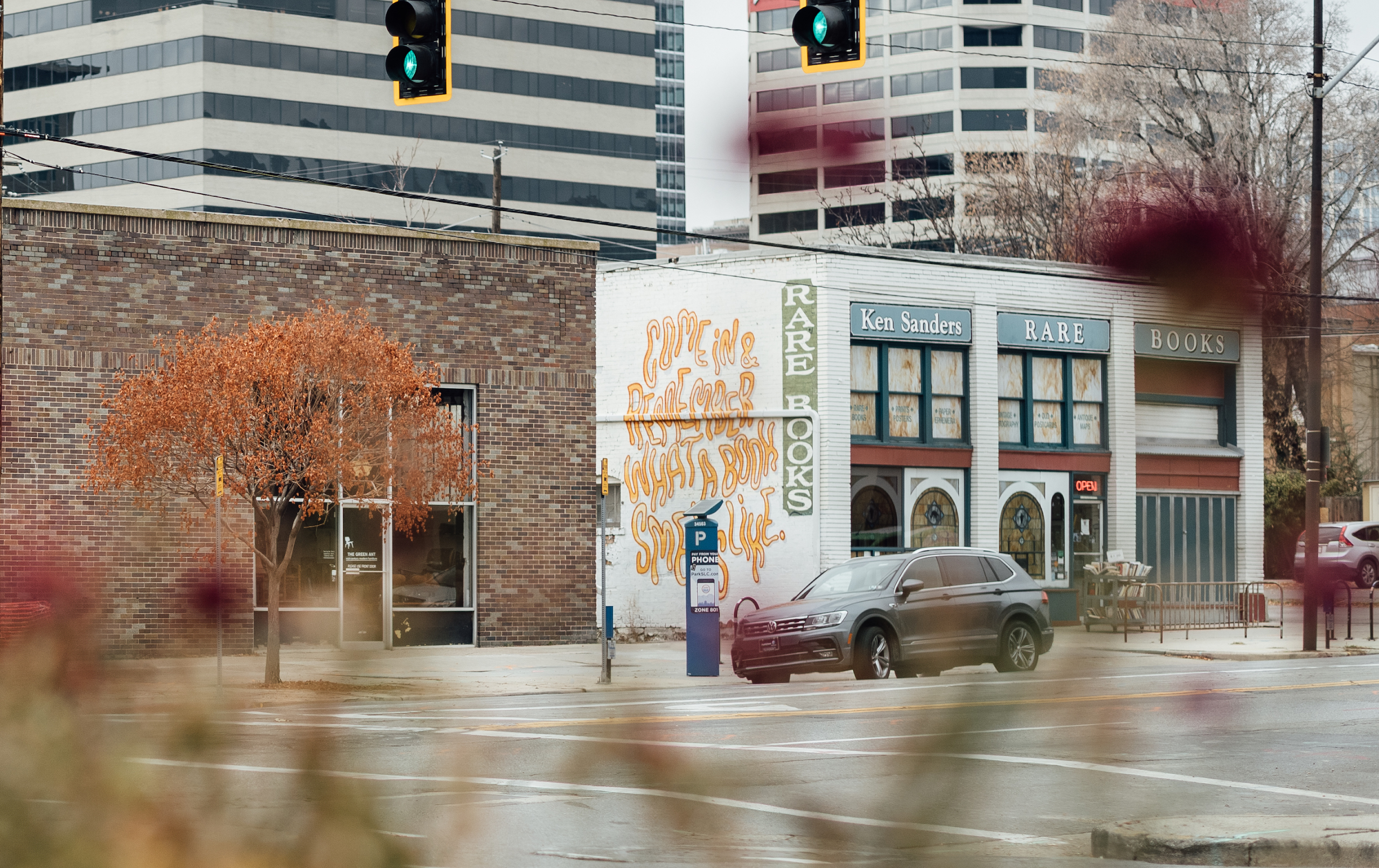
5. Ken Sanders Rare Books. Home to some self-professed “dangerously leany stacks & cozy wandering aisles,” this bookshop feels more like the cluttered library of an old friend than a Barnes & Noble…and that’s precisely why we like it. Ken Sanders (an eclectic and delightful person who you can learn more about in this video) has acquired over 100,000 tomes during his lifetime of collecting and, in the process, his book shop has become widely recognized as a fantastic place to find what you didn’t even know you were looking for. The exterior mural invites passersby to “come in and remember what a book smells like,” and upon entering, you’ll find the message is, if anything, underselling the sentiment. This library holds scores of antique novels, biographies, photo and art books, and a large section reserved for the history of the American West (including more than a little information on Utah pioneers’ less-family-friendly years). Whether you’re ducking in to escape the rain, perusing the stacks after brunch, or looking for an exceptional and uncommon gift, these good, bookish vibes are hard to beat.
6. Banbury Cross. We know, we know…we already took a moment to shout out the good food of this ‘hood. But, let it be known that this hole-y establishment deserves its very own passage, as the dough slung within these walls is absolutely legendary in this city. Virtually any kind of donut can be found here, from Maple Bars and Crullers to Bear Claws and lemon-filled, but real ones know that a plain glazed from Banbury is absolutely outtasite.
Unrelated bonus: if you walk north just a few steps north from Banbury, you’ll bump into the Dollar Barber Shop, a neighborhood staple that we blogged about over 10 years ago…check out our adorable, old-timey blog here!
7. The Leonardo Museum. Housed in a striking, modern structure adjacent to Downtown’s Salt Lake Public Library (another equally stunning building), The Leonardo Museum explores the intersection of science, art, and technology through smartly curated displays and hands-on experiences. In addition to offering renowned traveling exhibits, the museum also puts on plenty of fun events like supper clubs, cocktail nights, and kids’ camps.

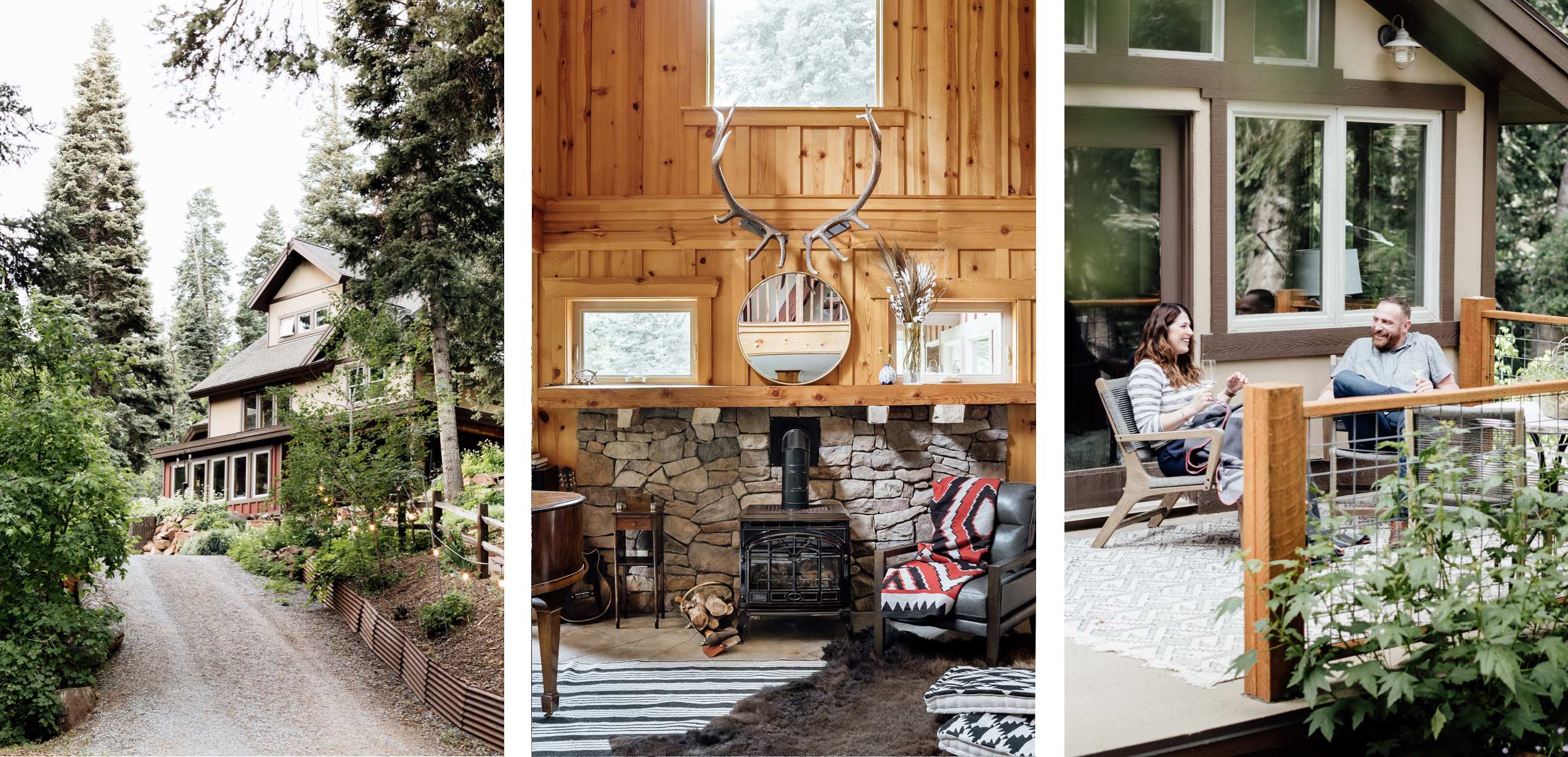
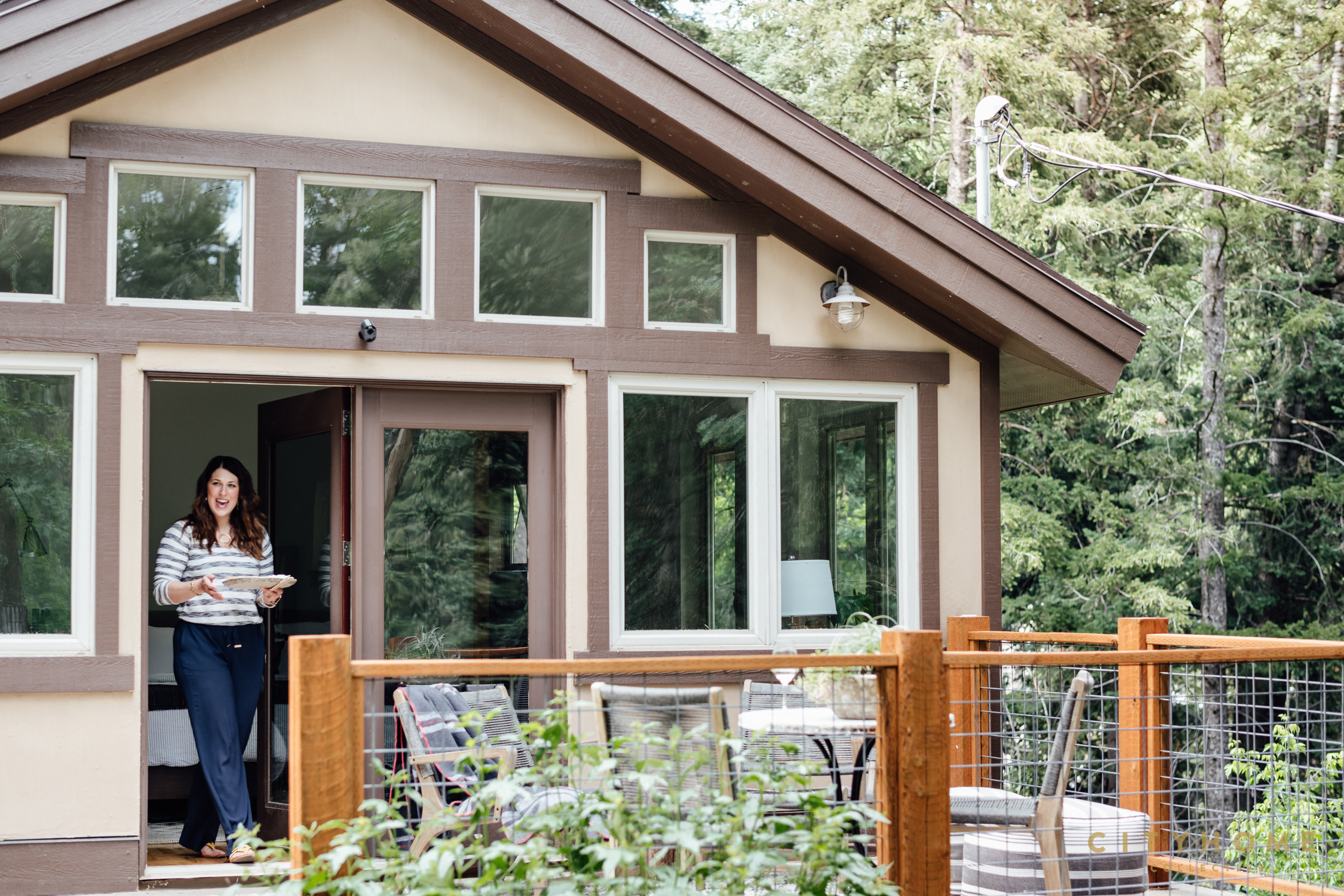
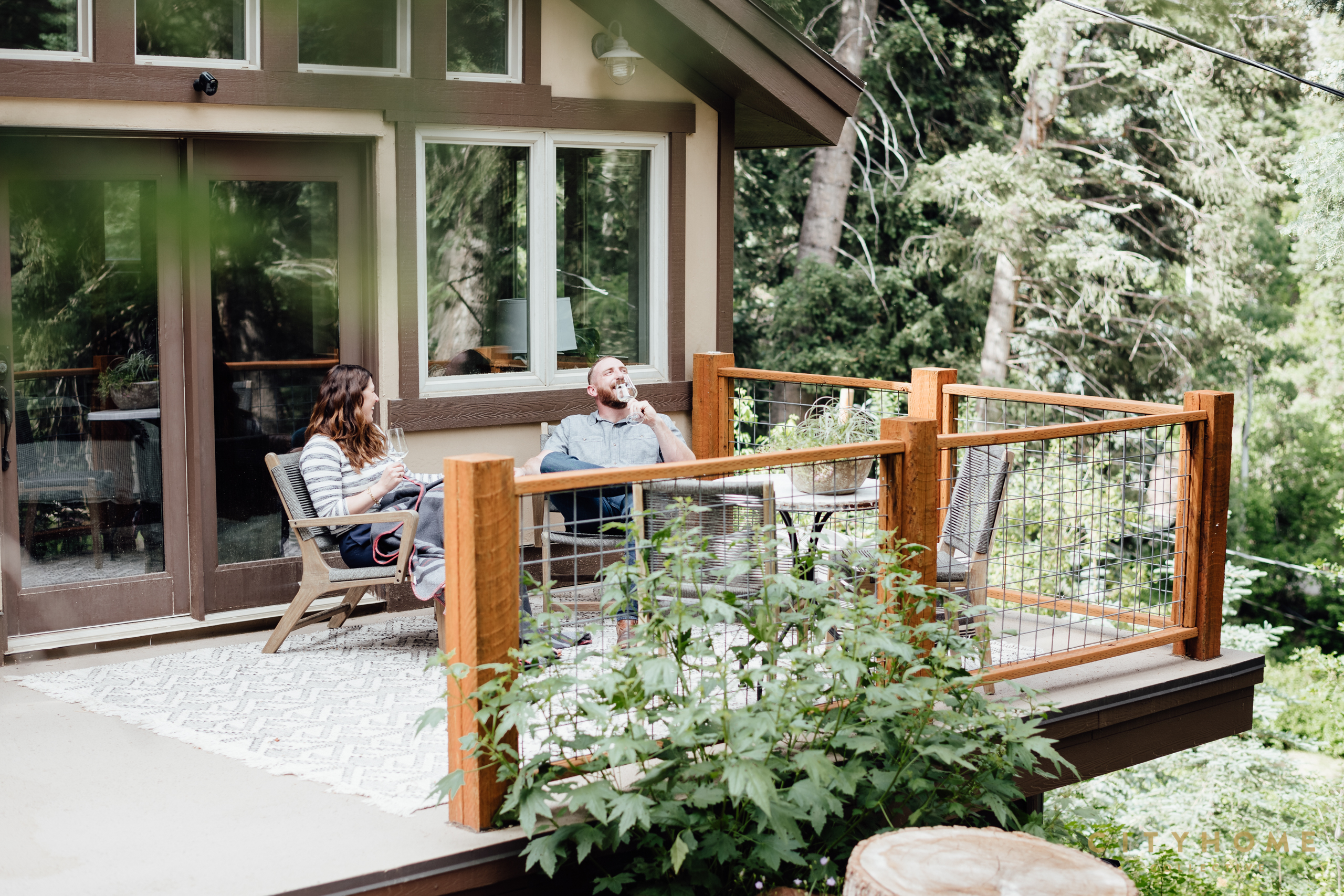
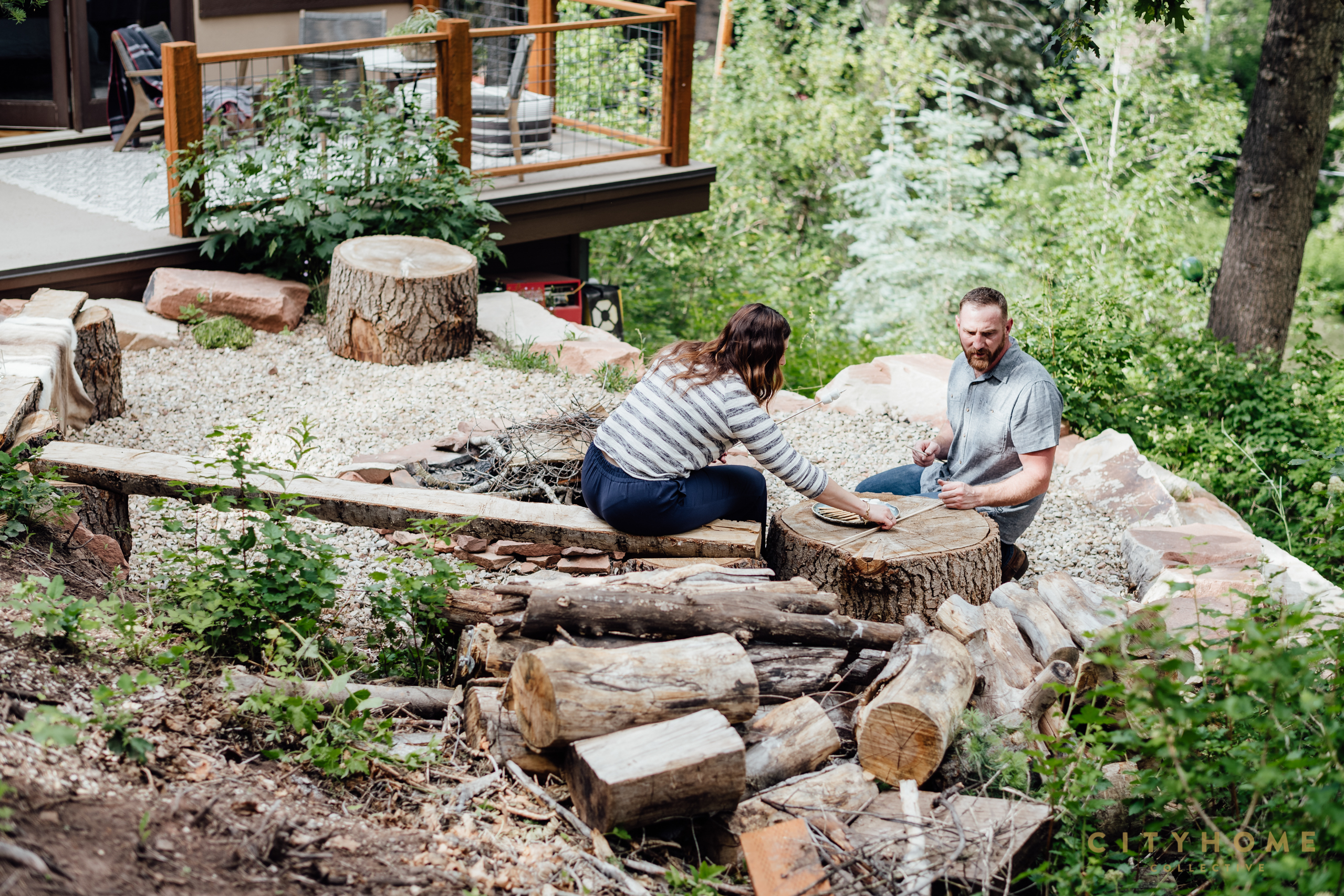
A hundred or so years ago, a train line snaked its way from the valley floor, up Emigration Canyon, to the famed Pinecrest Inn and the cluster of cabins that surrounded it. For families looking to escape the summer heat, the cool mountain forests surrounding the inn offered the perfect reprieve. While the tracks have long since disappeared and the area has faded from public knowledge, our recent retracing of the route confirmed that, for modern denizens of SLC, Pinecrest still offers a serene, accessible retreat from scorching temps and busy city living.


Over the course of the last decade, the particular cabin that we were lucky enough to visit was completely rebuilt from the ground up. Spread over three levels and consisting of almost 2,800 lovingly reconstructed square feet, the layout contains four bedrooms, ample indoor living areas, and stunning outdoor spaces galore. Surrounded by majestic firs, twittering birds, and crisp, fresh air, this spot gently encourages visitors and inhabitants alike to move at a slower pace. That said, should you wish to get your heart rate up with a walk, run, or ski, the home is surrounded by trails in almost every direction, as well as private, easy-breezy backcountry skiing access.
Intimately connected to nature and perched above the hustle and bustle of our desert metropolis, this home offers serenity in spades…and then some.


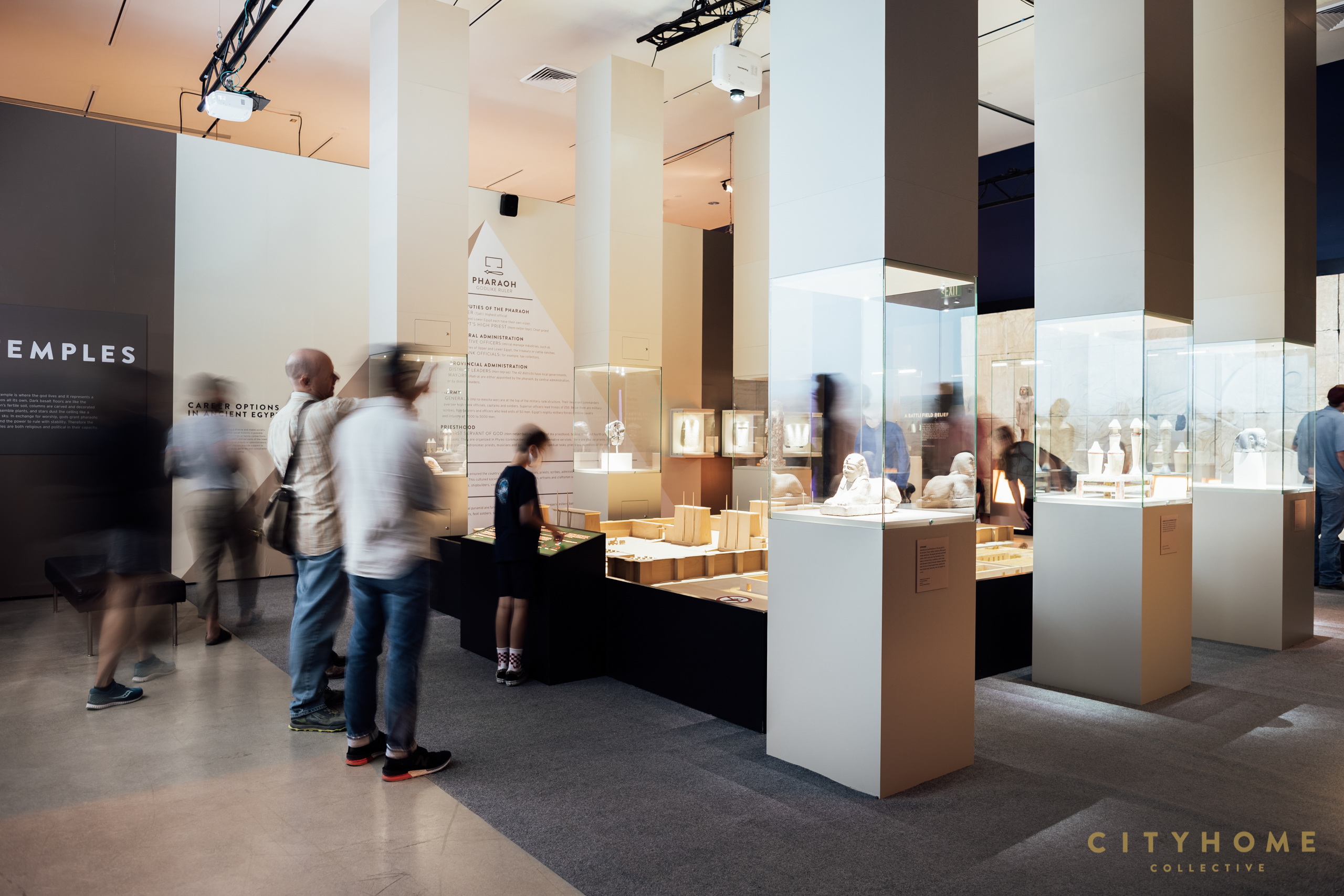
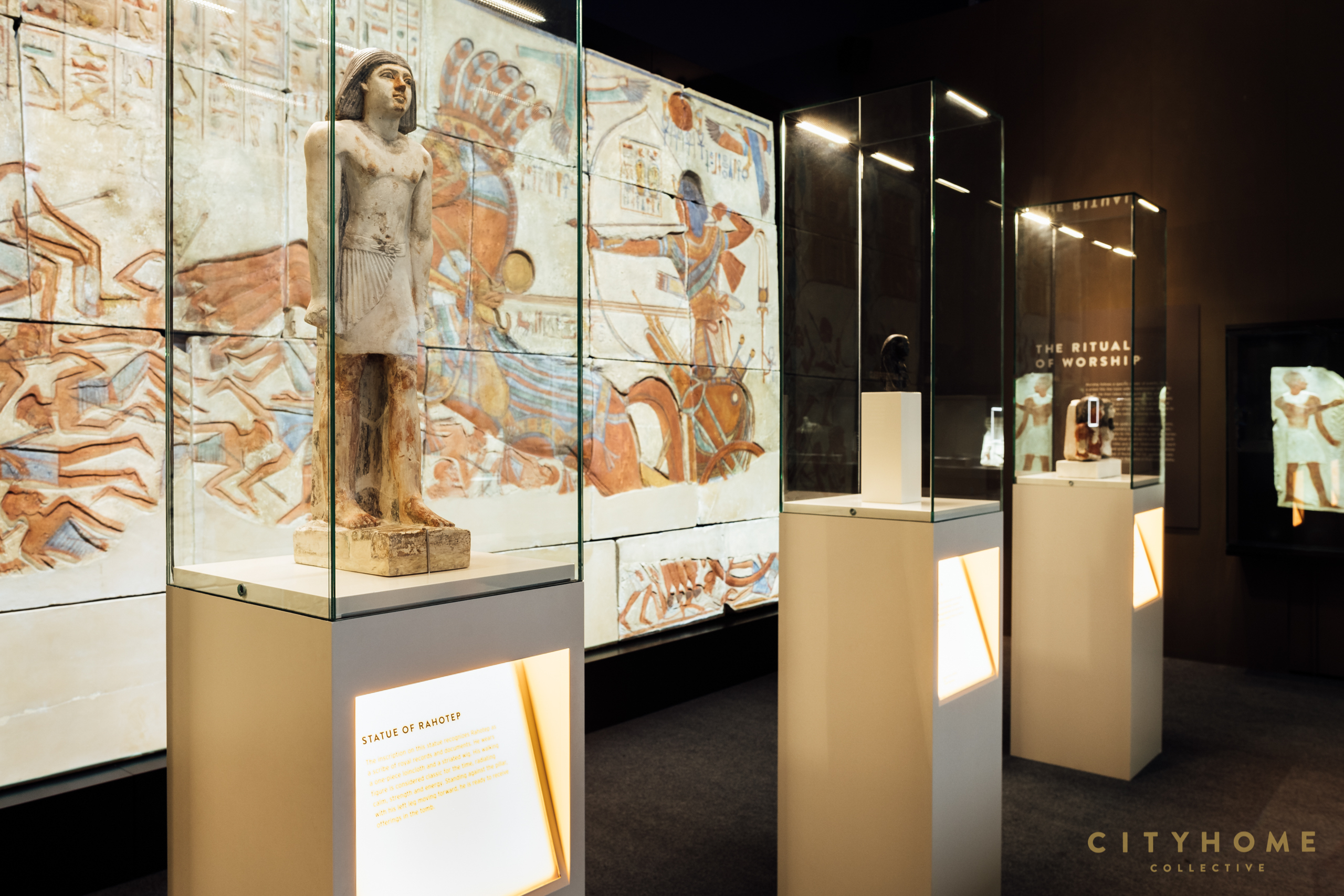
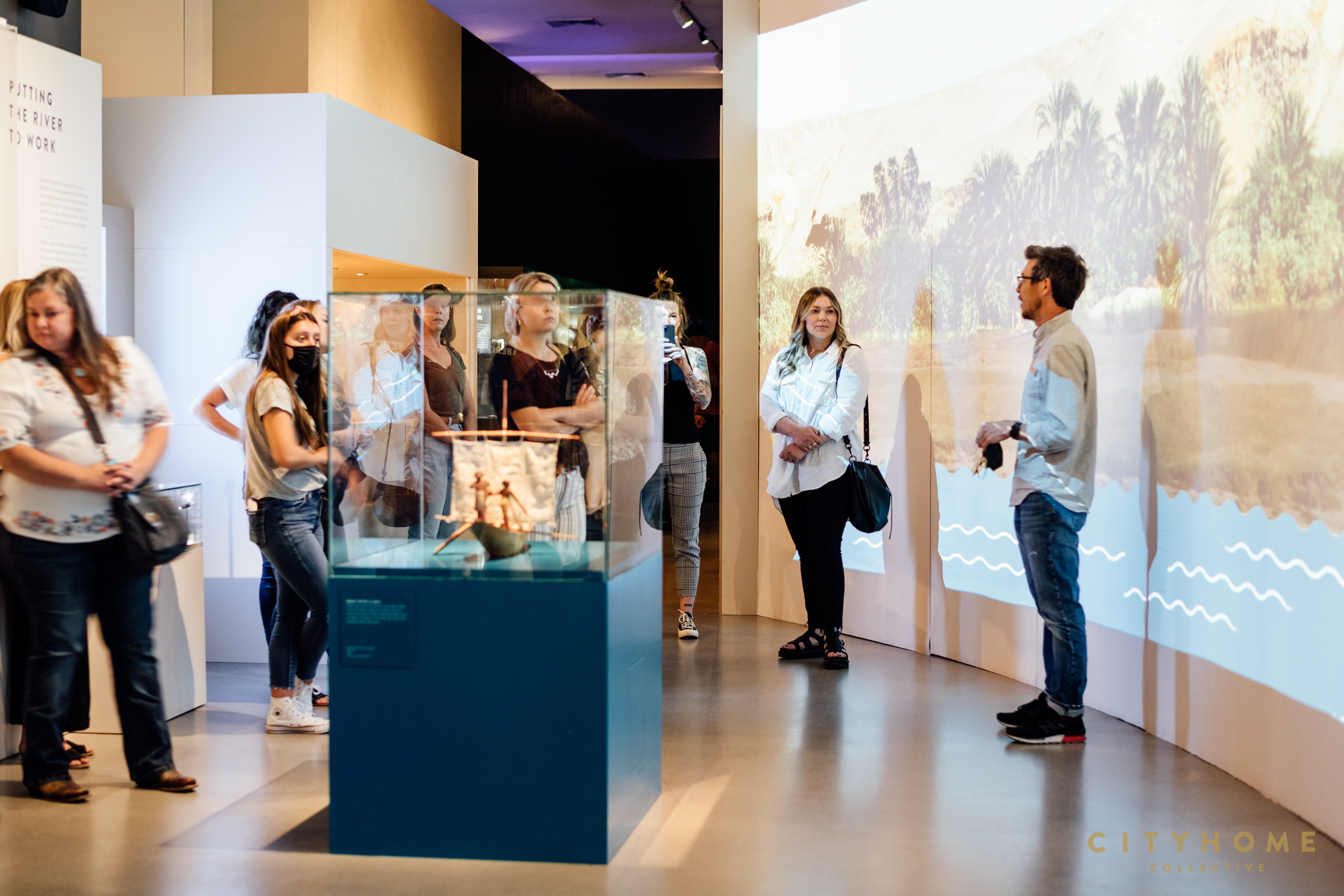
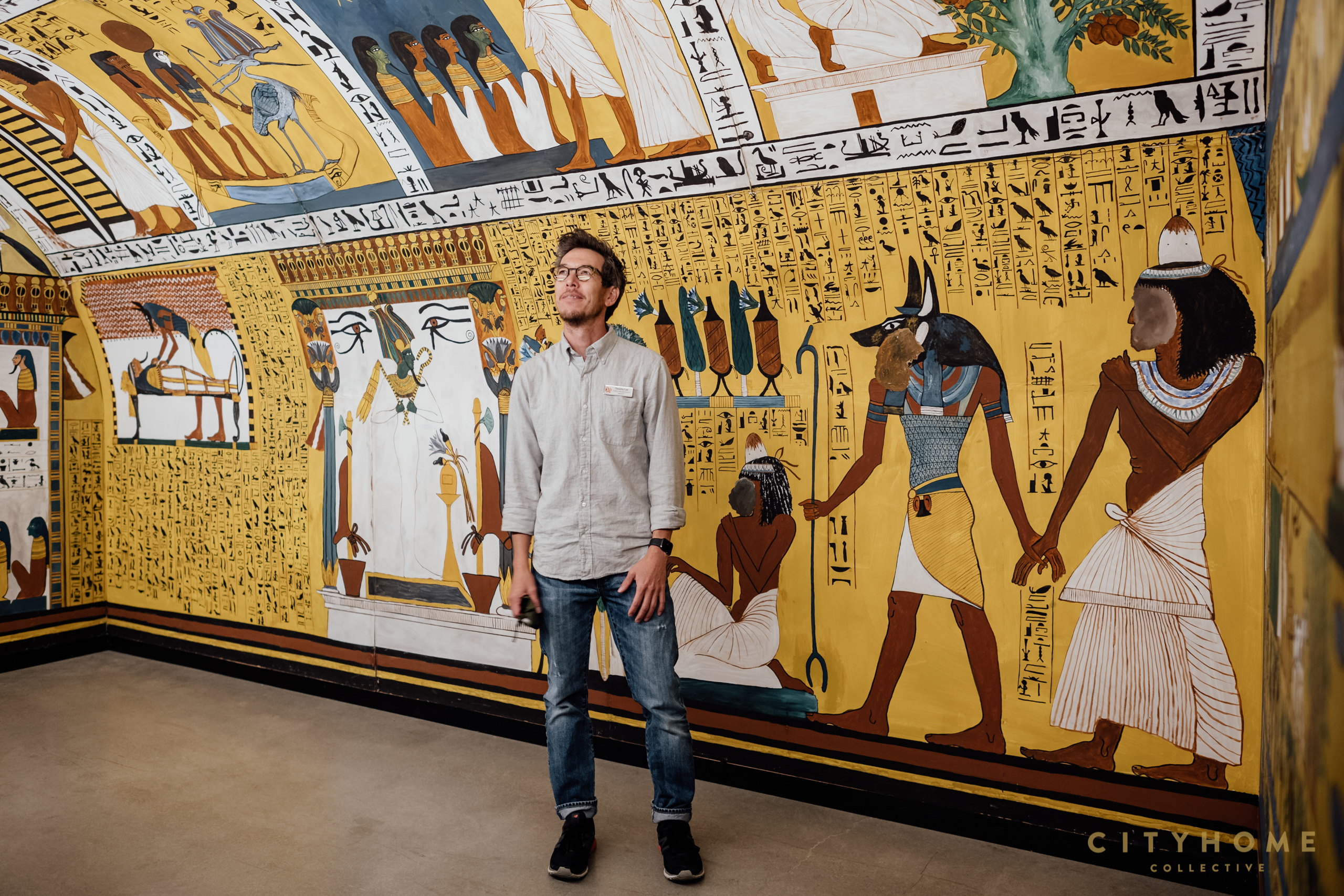
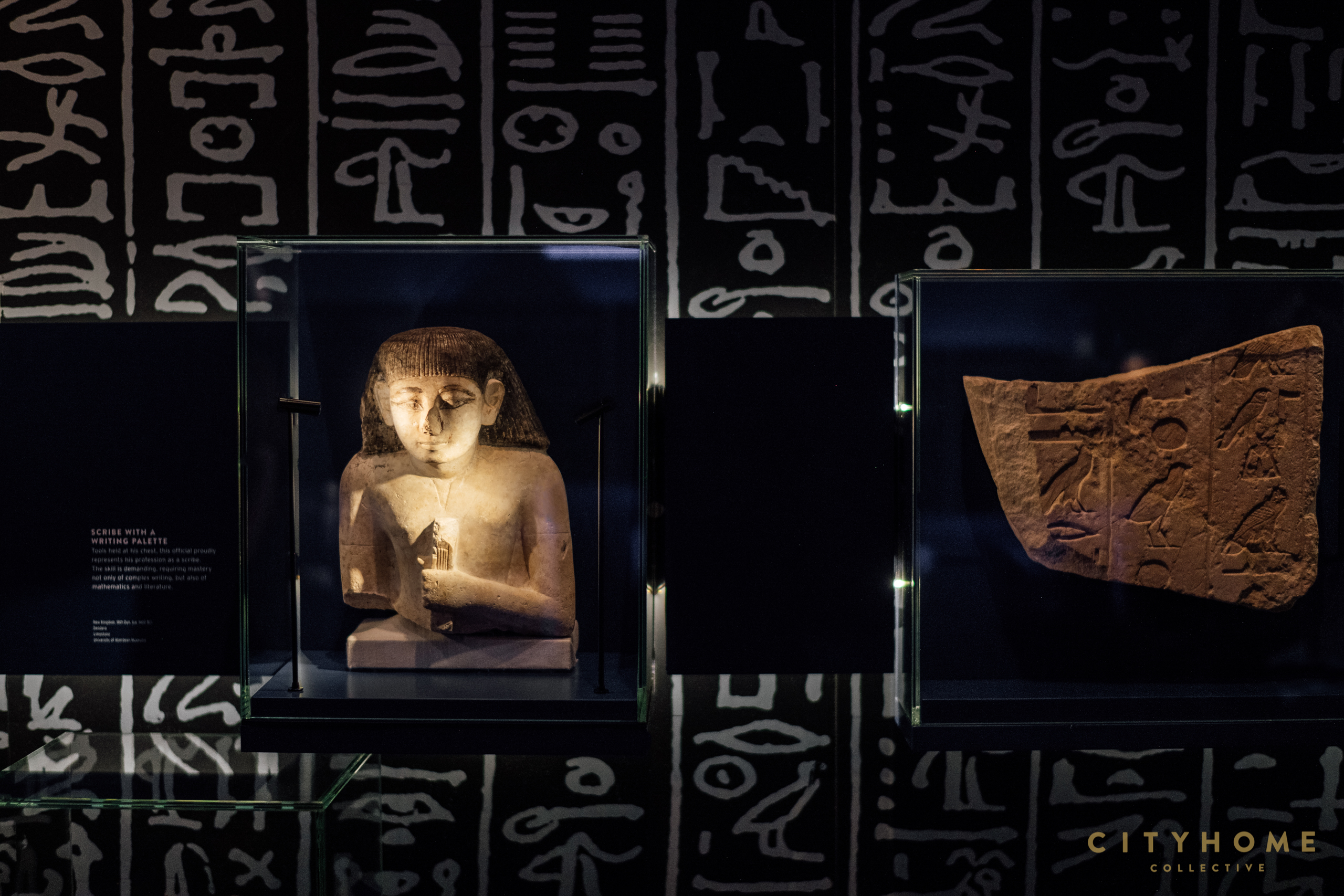
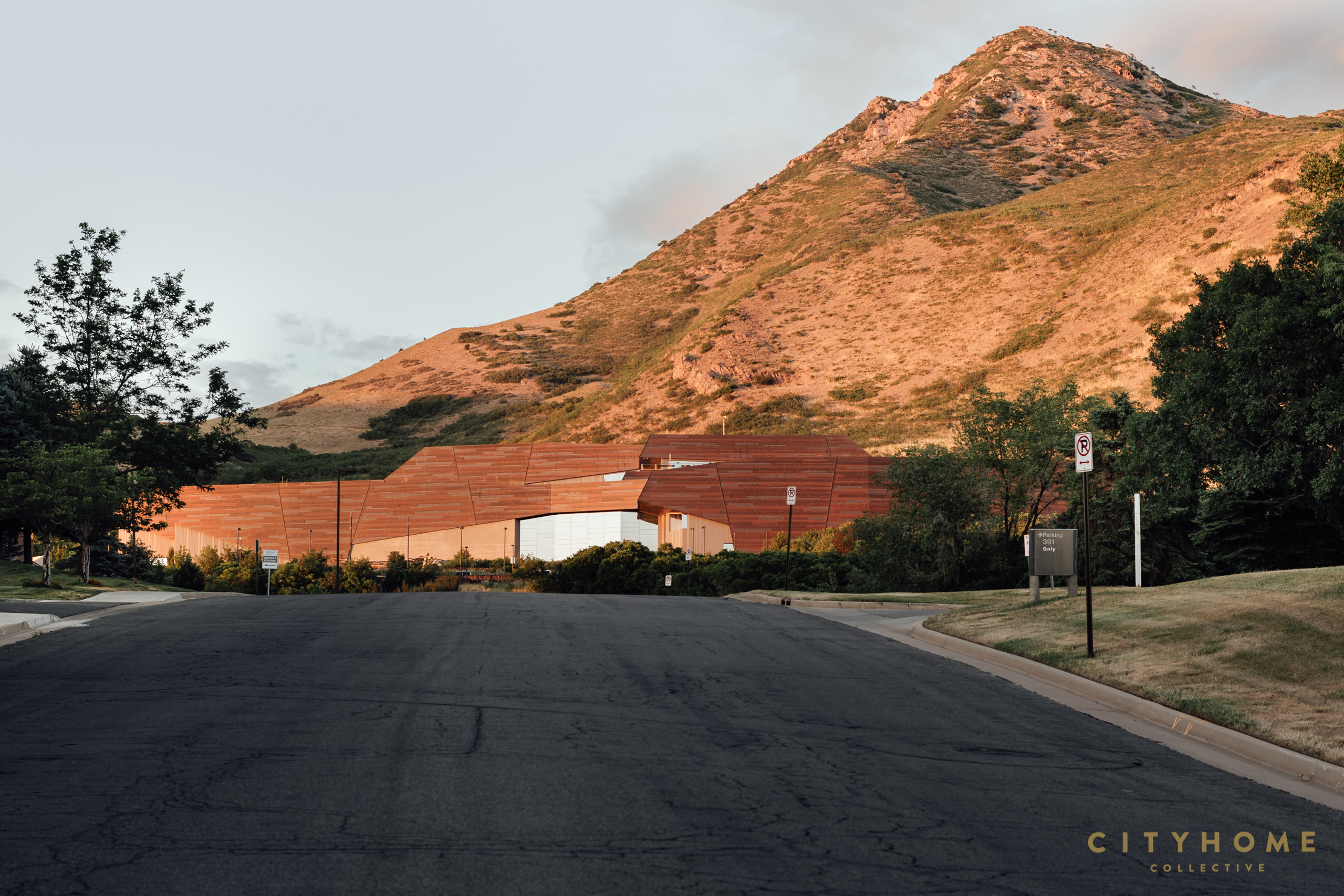
For all the things we love about this city, the Natural History Museum of Utah is one institution in particular that we’re glad calls SLC home. While the stunner of a building has now been officially open to the public for a decade (and is celebrating its 10-year anniversary in November), we’re still giddy about this stunning intersection of design and history. Yes, we’ve gushed on this building and those who brought it to life in the past, but we recently took a COLLECTIVE field trip—led by Exhibits Manager and Senior Exhibit Designer, Tim Lee—up to the east bench to check out the museum’s new and highly lauded special exhibit, Egypt: The Time of Pharaohs.
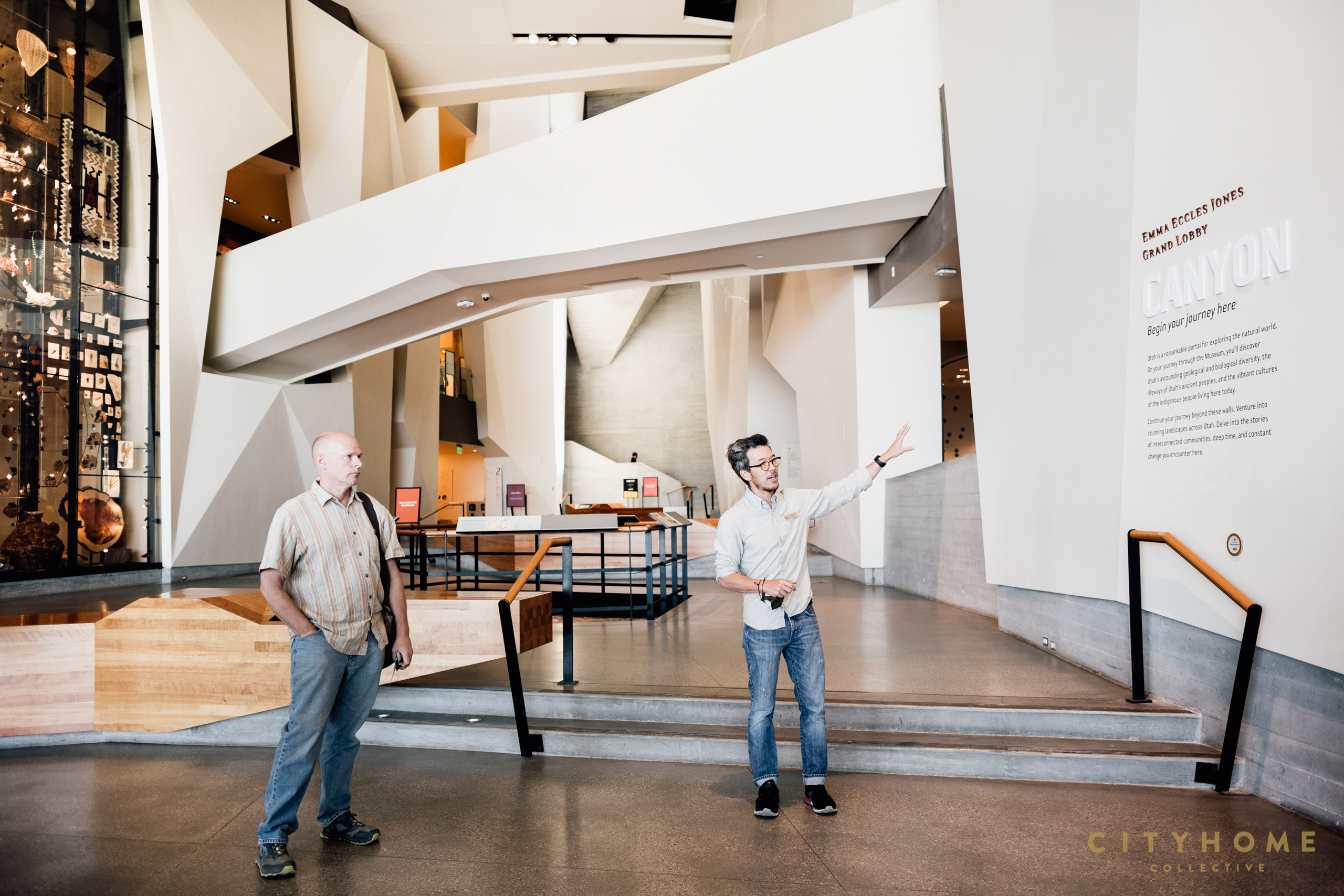
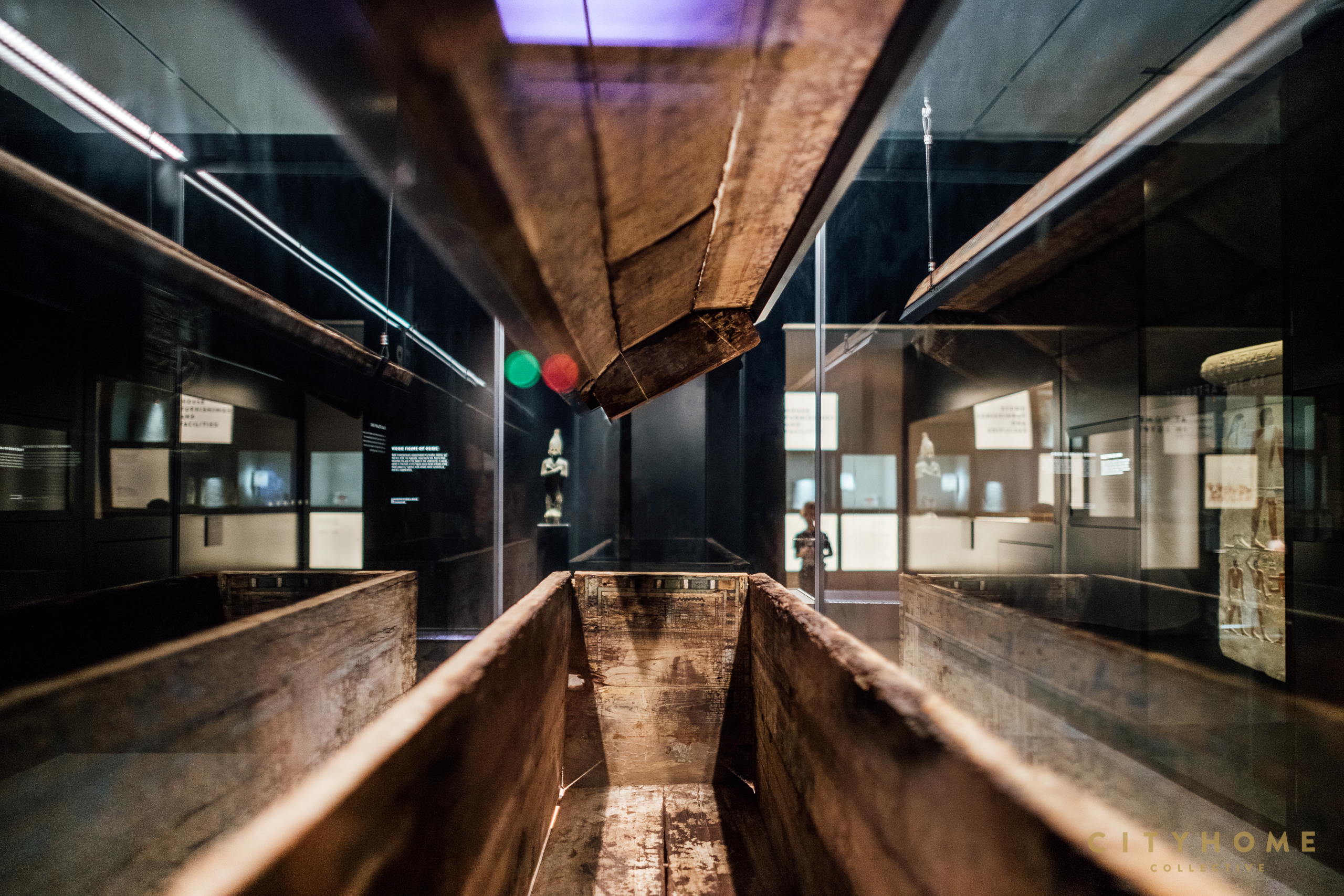
With more than 350 original artifacts dating back 4,500 years, the new exhibit dives deep into one of humanity’s most fascinating eras and includes insights into the daily lives and economic, political, mythological, and cultural beliefs of both commoners and royalty. This is one of the largest traveling exhibitions on ancient Egypt, and with films, detailed models, and authentic, ancient artifacts (including a couple of elaborately wrapped mummies), we’ll happily attest to the beauty, brilliance, and cultural splendor of the collection. According to Tim Lee, “we like to think of the NHMU as an art museum just as much as a science museum,”—a sentiment that’s abundantly clear when maneuvering the pathways between stone sculptures and immersive video projected over ancient carvings. It’s a stunning display of human achievement, both past and present, and a collection we can’t recommend highly enough.
Entrance into Egypt: The Time of Pharaohs is included in the price of general admission into the museum. Reserve your tickets online here.



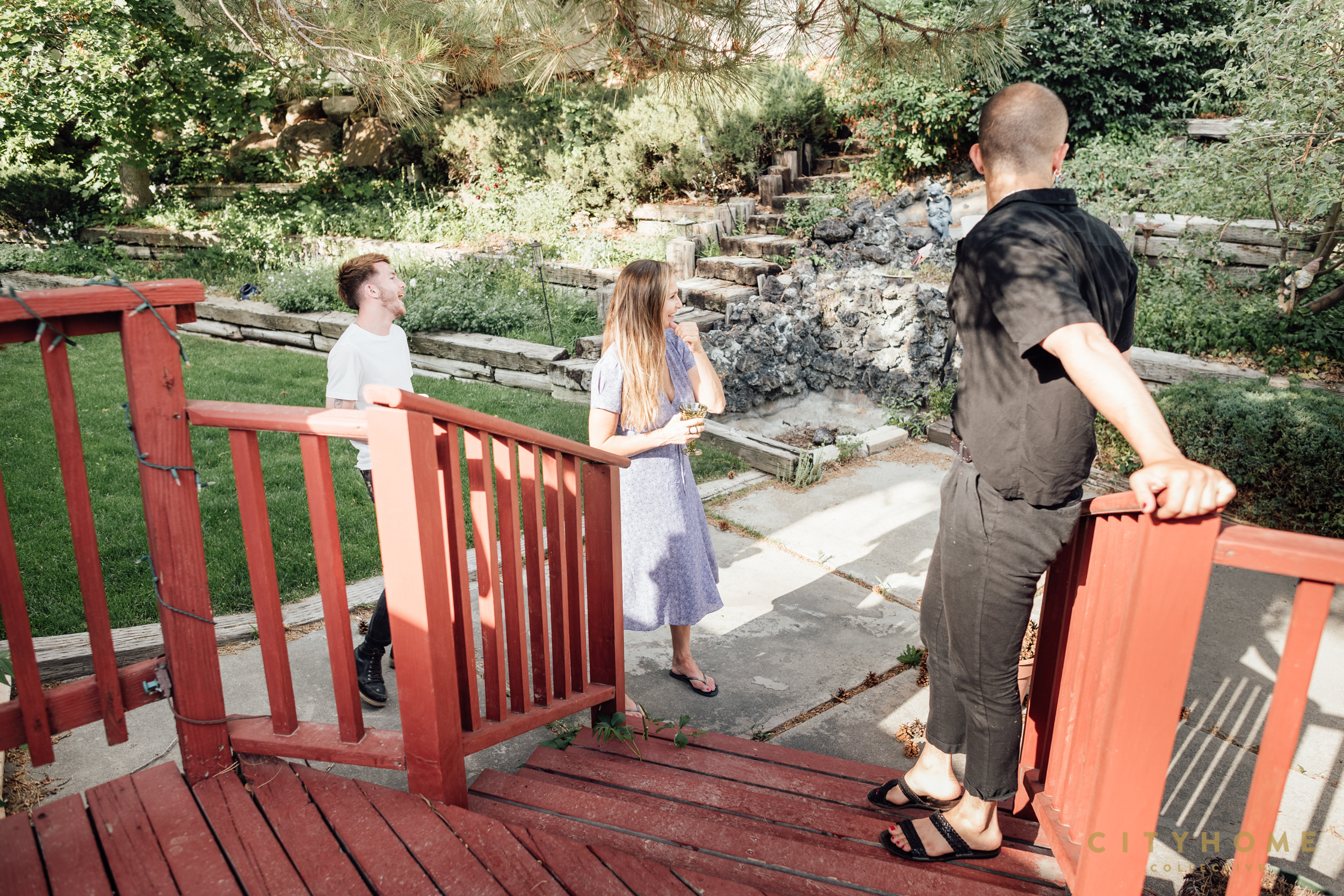
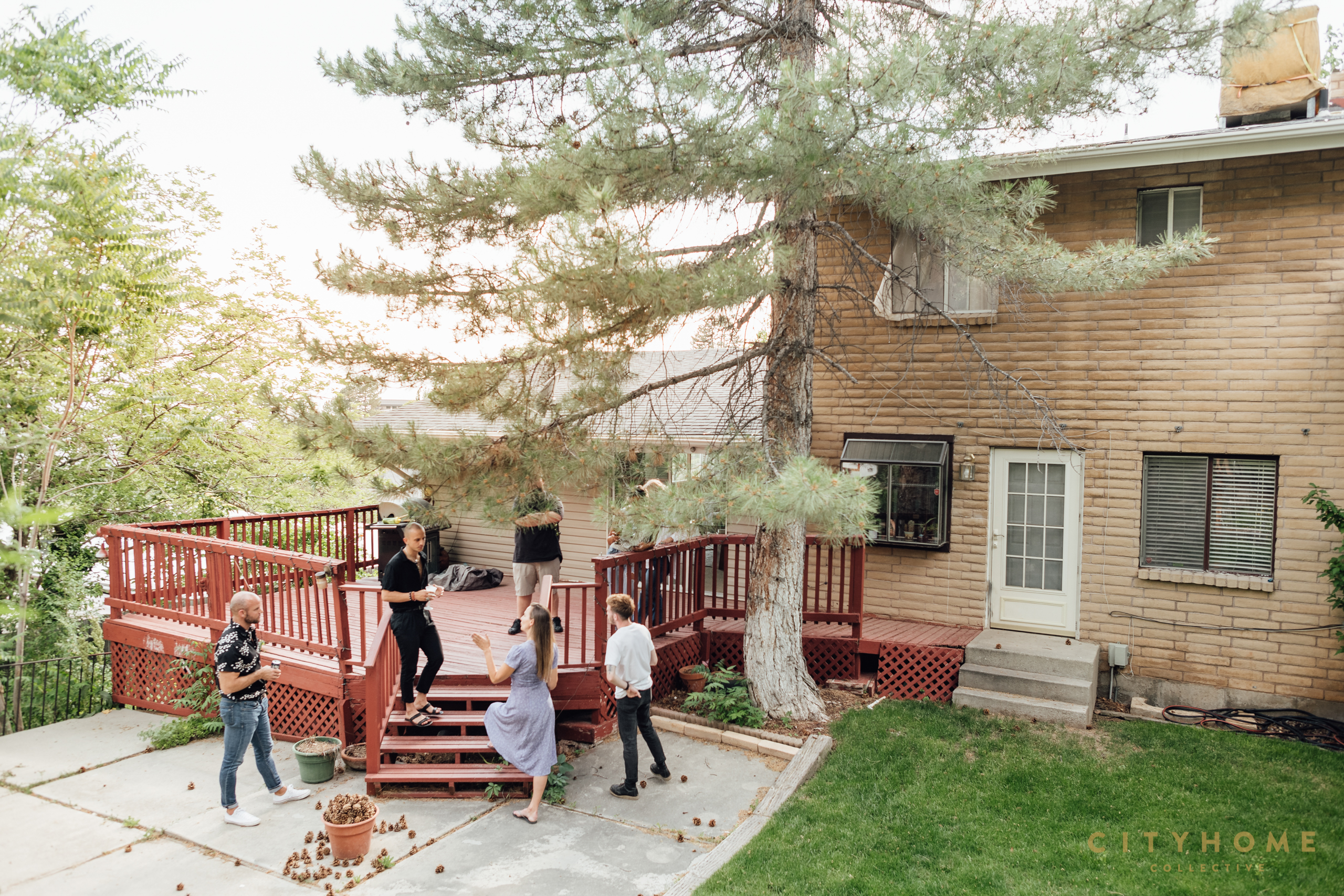
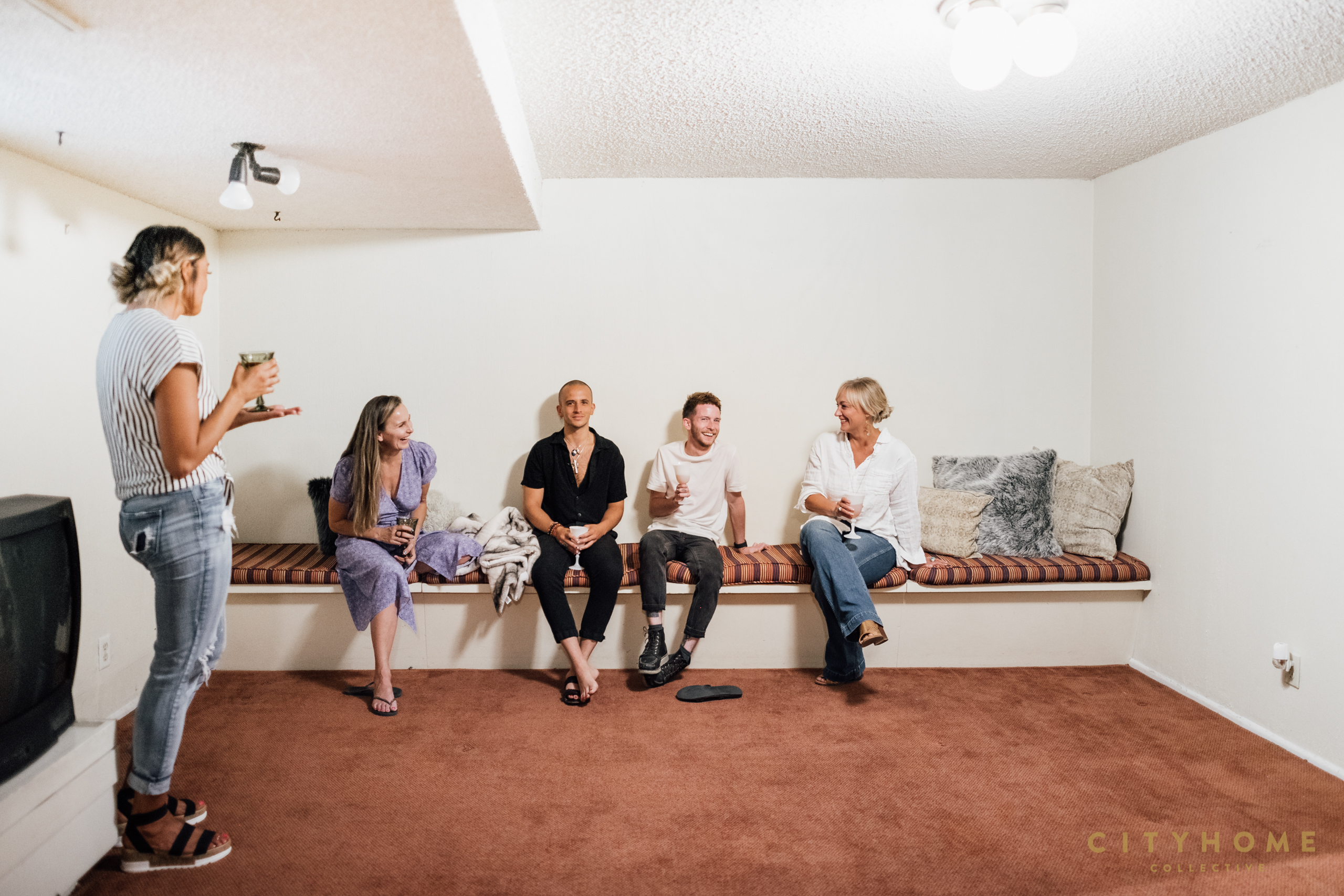
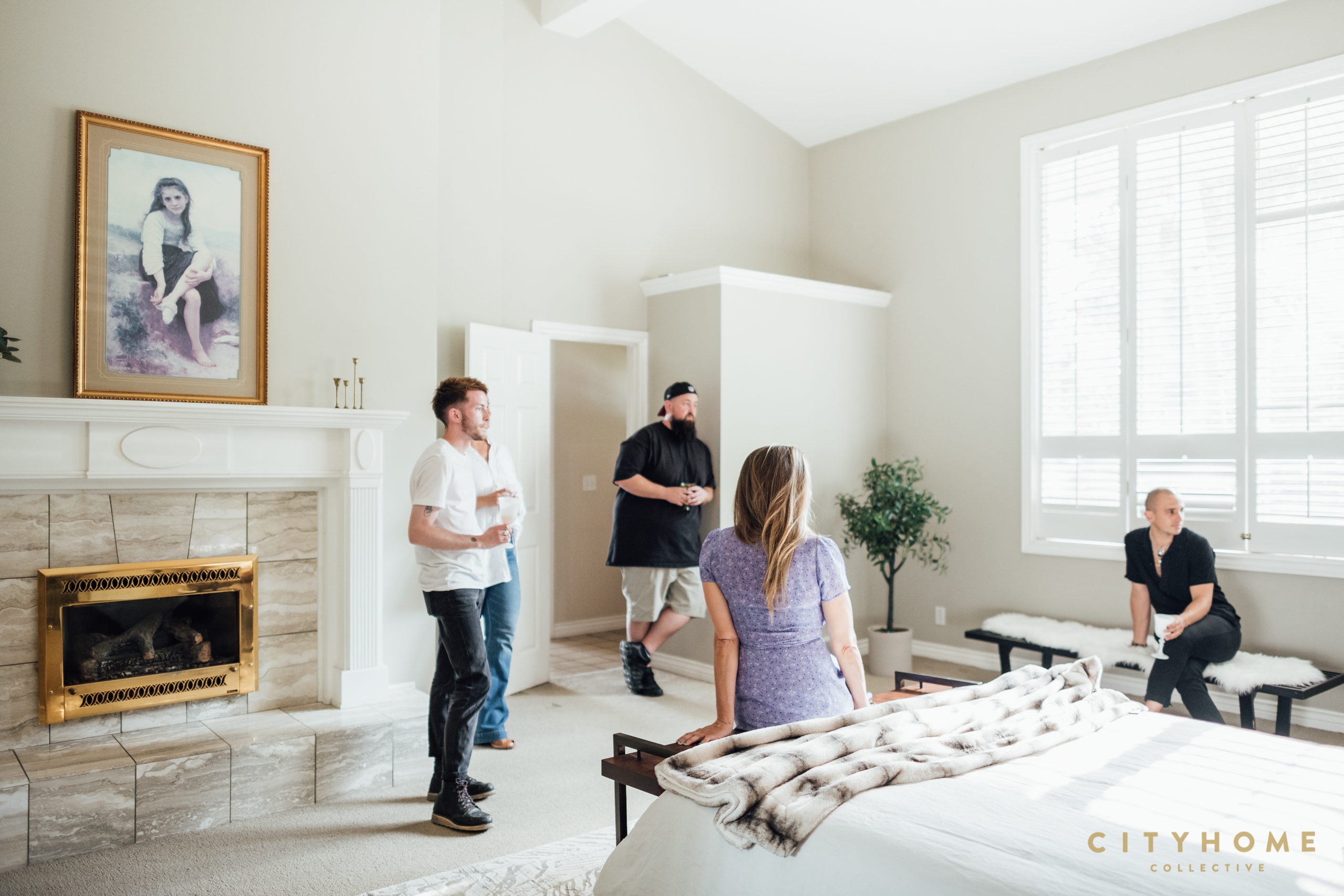
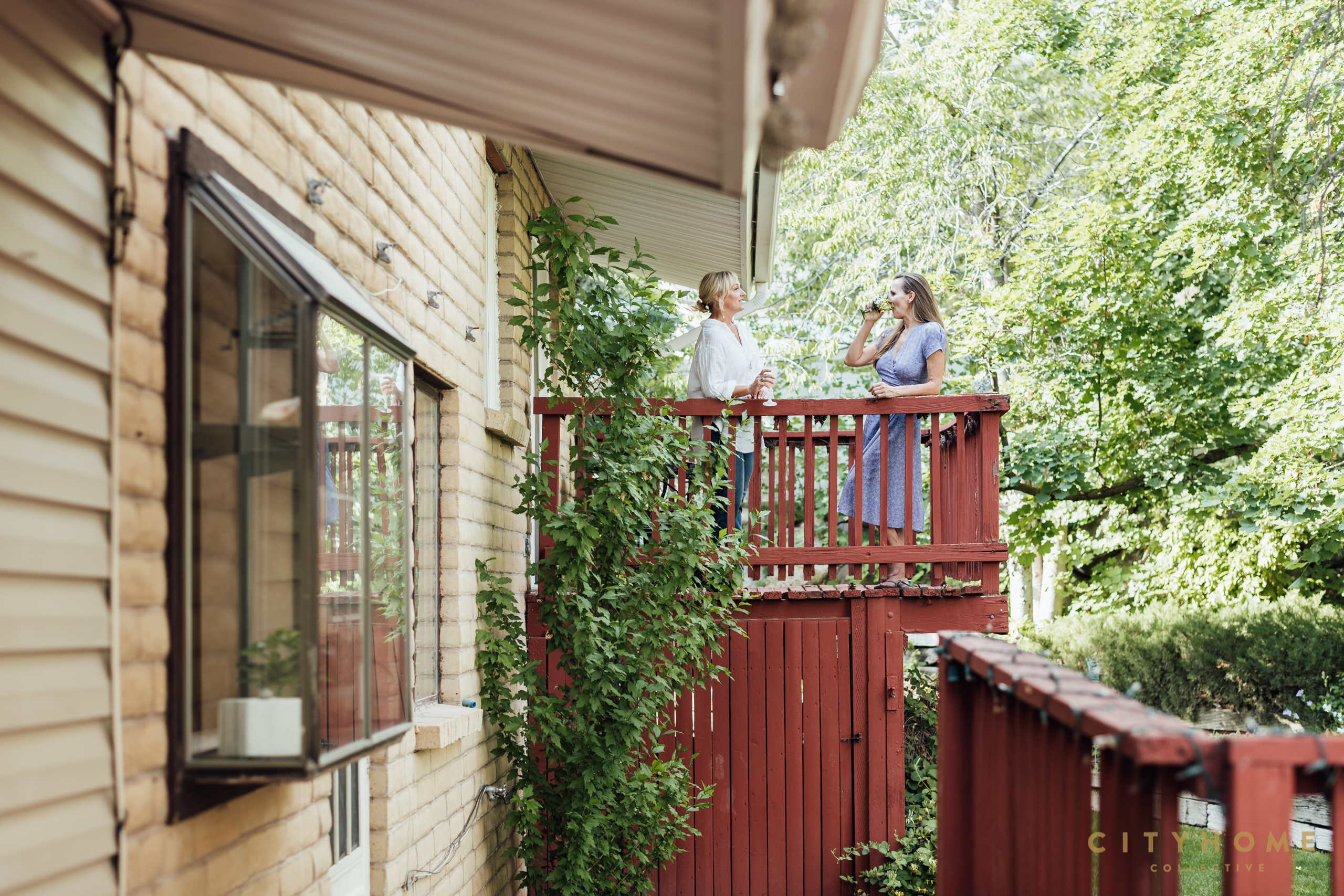
recently, a few of us gathered for an evening drink at this sprawling upper avenues home…
We imagined all of the possible ways in which this lovely (and perfectly located) space that we recently listed could be transformed into something special. The secluded backyard with stunning valley views, for instance, might well benefit from a hot tub (the perfect spot in which to take in iridescent orange sunsets), a treehouse for stargazing, or a vegetable garden surrounded by flower-laden terraces.

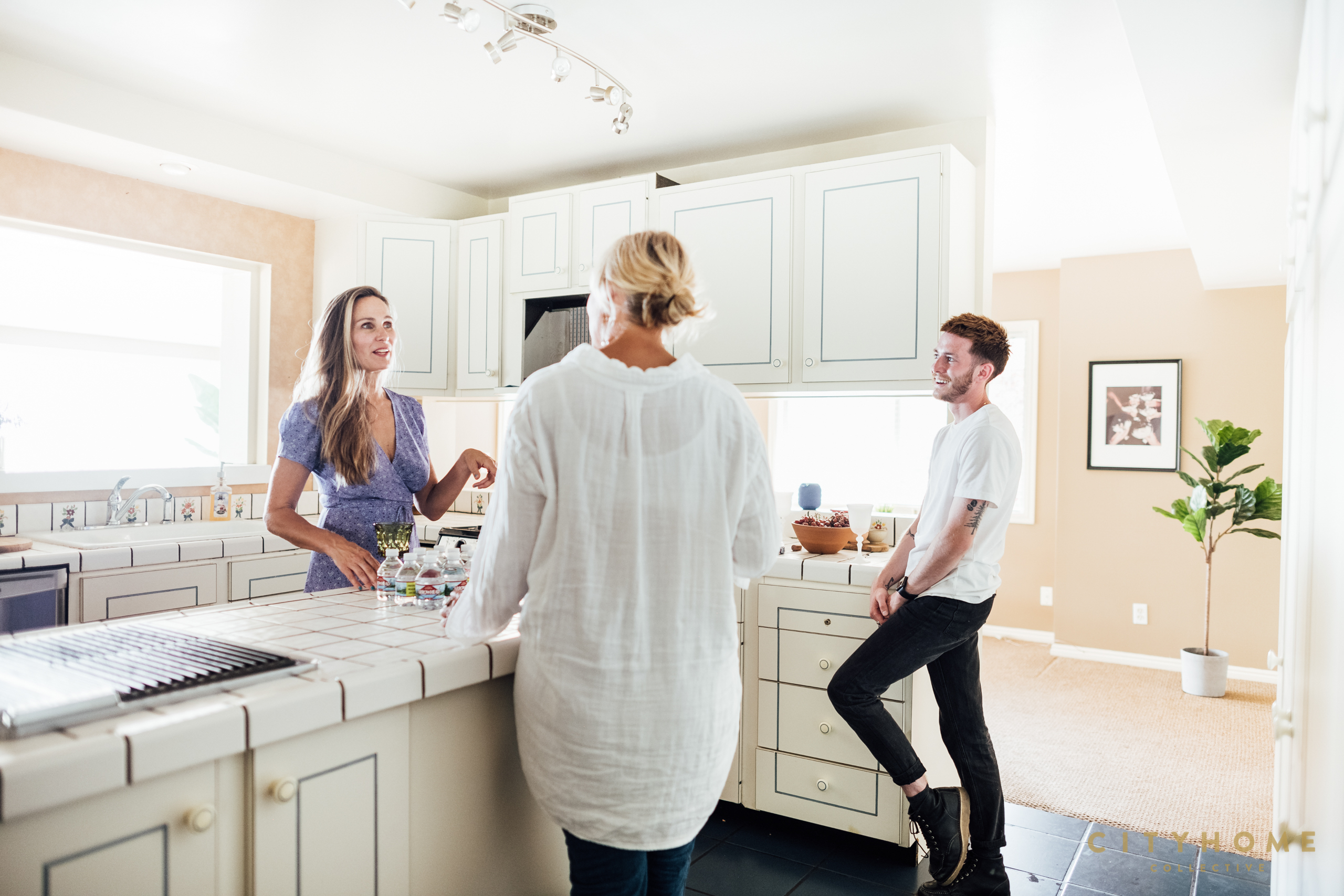
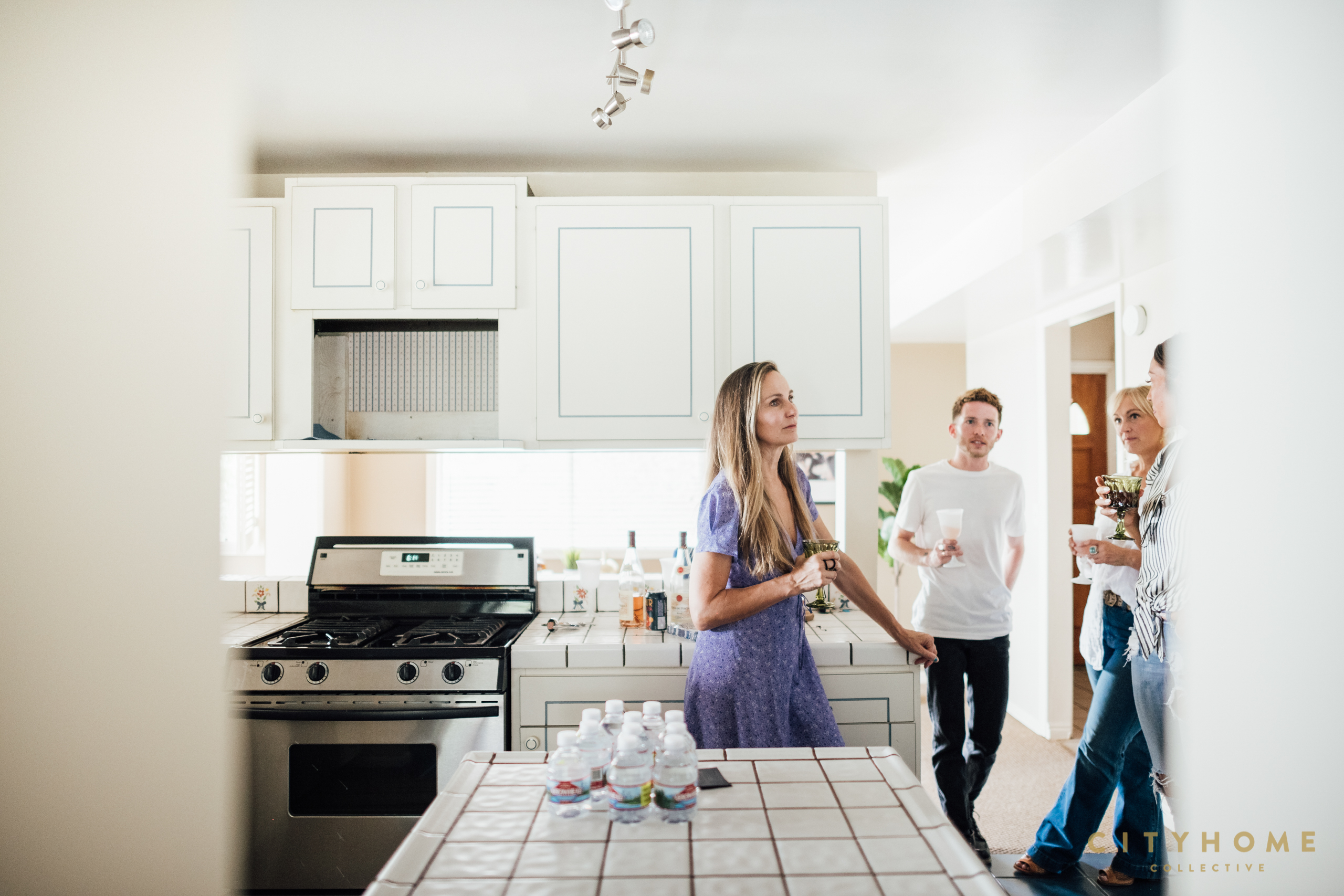
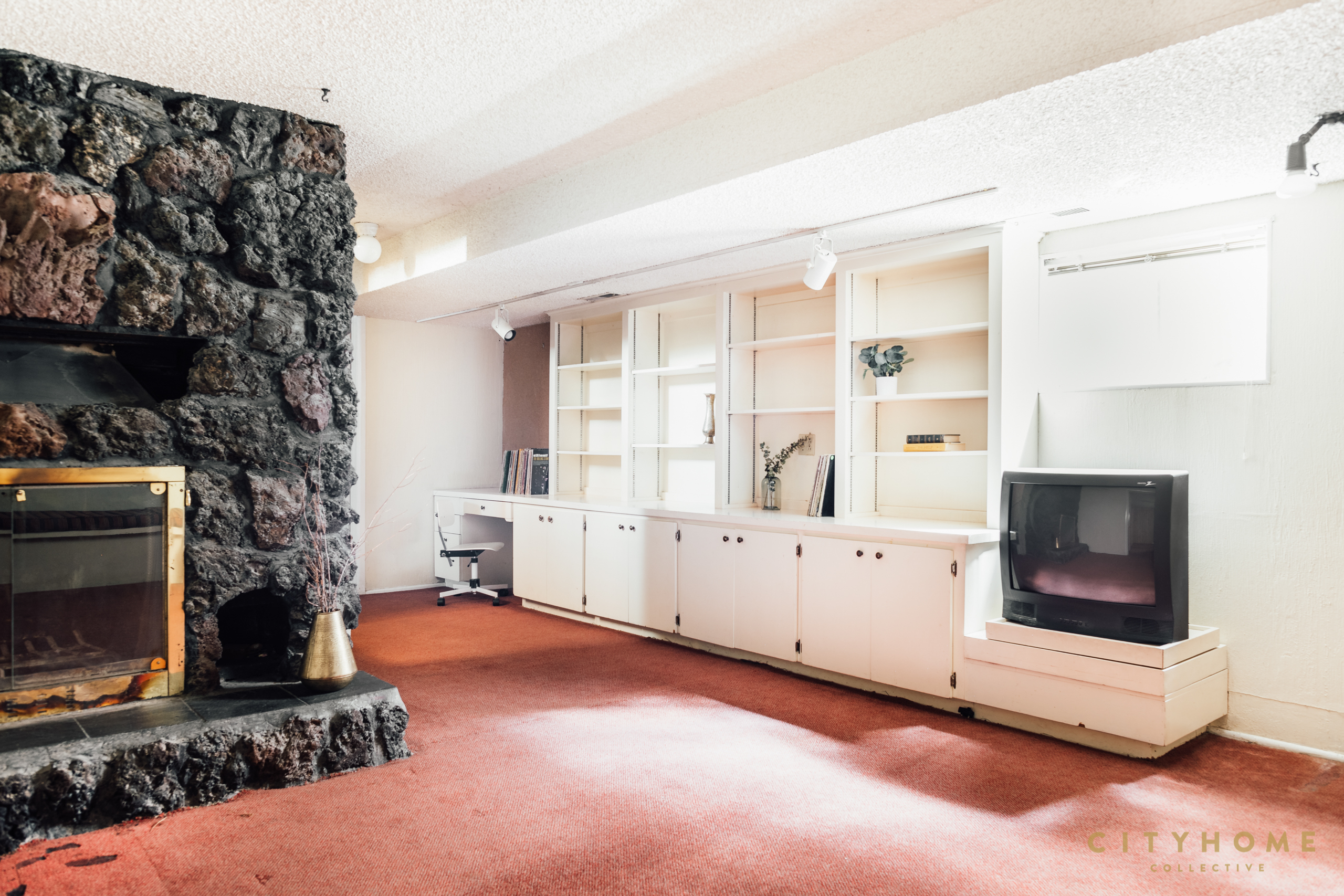
Inside, the kitchen is already perfectly situated to take advantage of the aforementioned views, making ingredient prep that much more enjoyable. The addition of a breakfast nook, however, might put this already lovely spot over the top. Plenty of space downstairs, meanwhile, ensures that a yoga studio, art room, and home office all remain on the table.
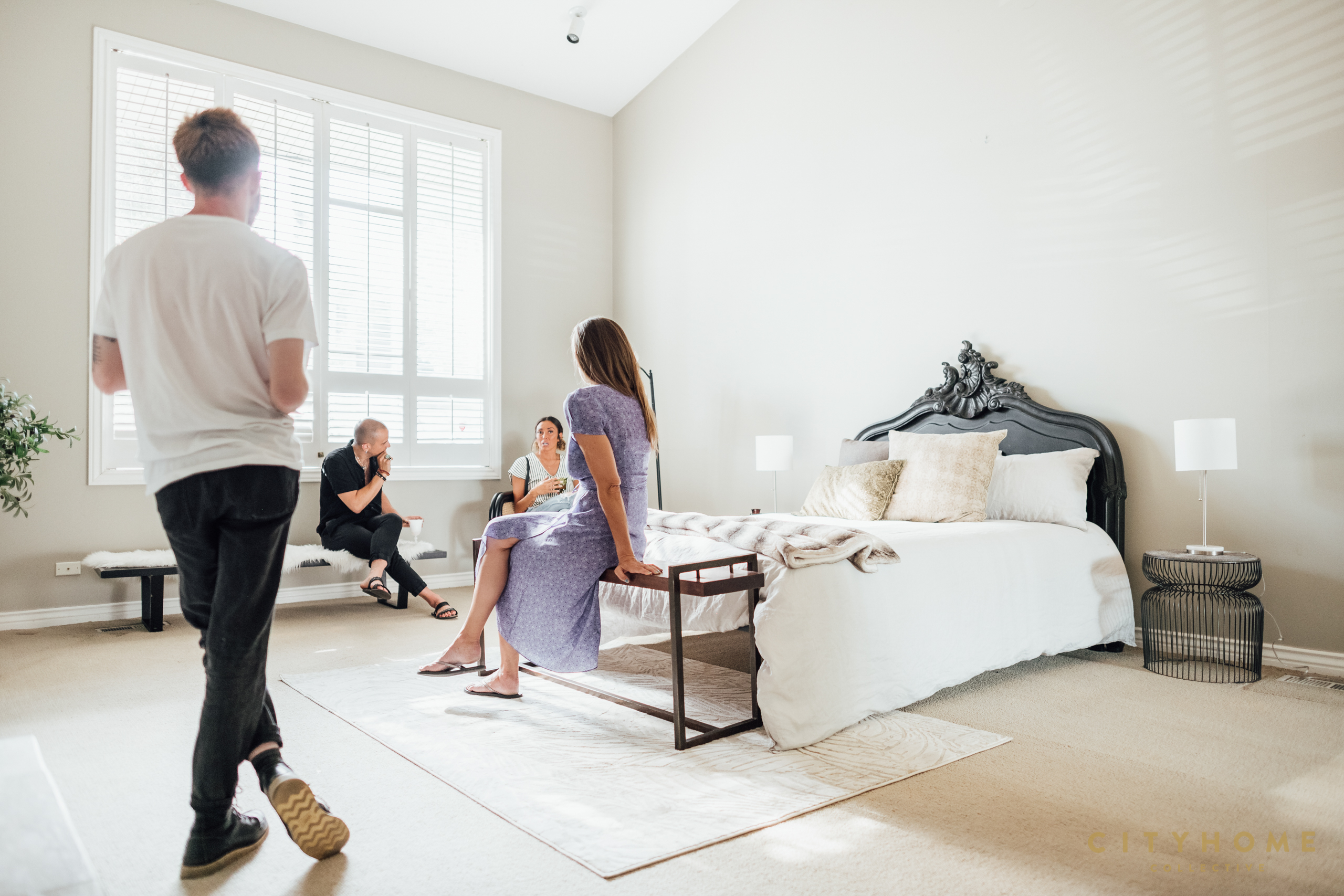

The main suite already offers stately lofted ceilings but the private deck of the ensuite bath might be improved with the addition of an outdoor shower. For their part, the upstairs bedrooms could be left alone or transformed into a second suite, replete with even more views of the city below.
In short, there are myriad ways to turn these solid bones into a dream home. And, should this list of ideas not inspire you, give us a call and we’ll gladly rattle off a few more…
Click here to see the full listing.


As this desert metropolis procreates, populates, and diversifies, we can all witness and engage with the countless contributions from its many inhabitants. Each parcel of this valley gains value by our own personal embodiment. This becomes clear as we find ourselves utilizing public and private lots and facilities such as concert halls, libraries, recreation centers, and community gardens—maybe even more so in small businesses like restaurants and cafes, flower shops, boutiques, art galleries, and yoga studios.
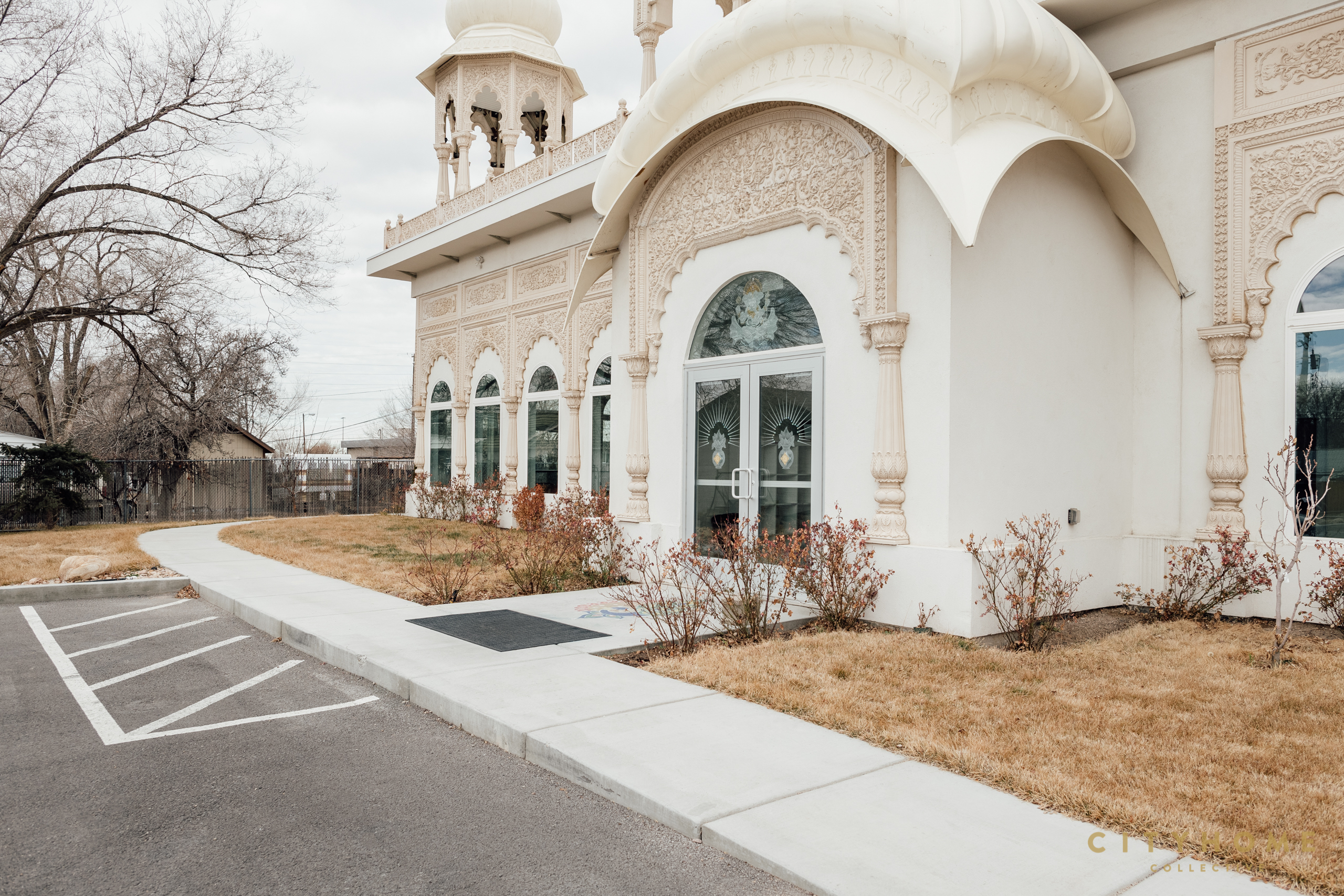
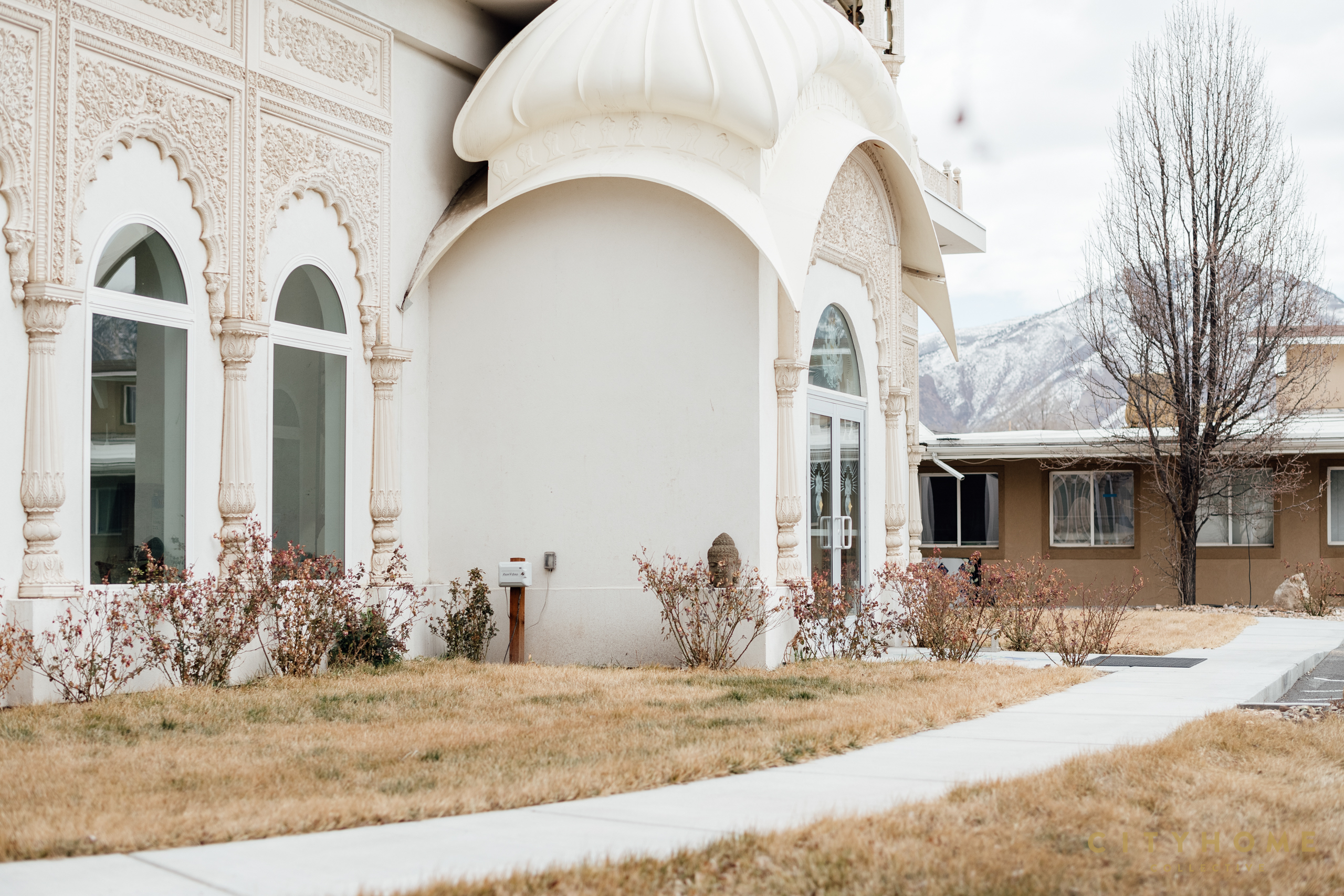
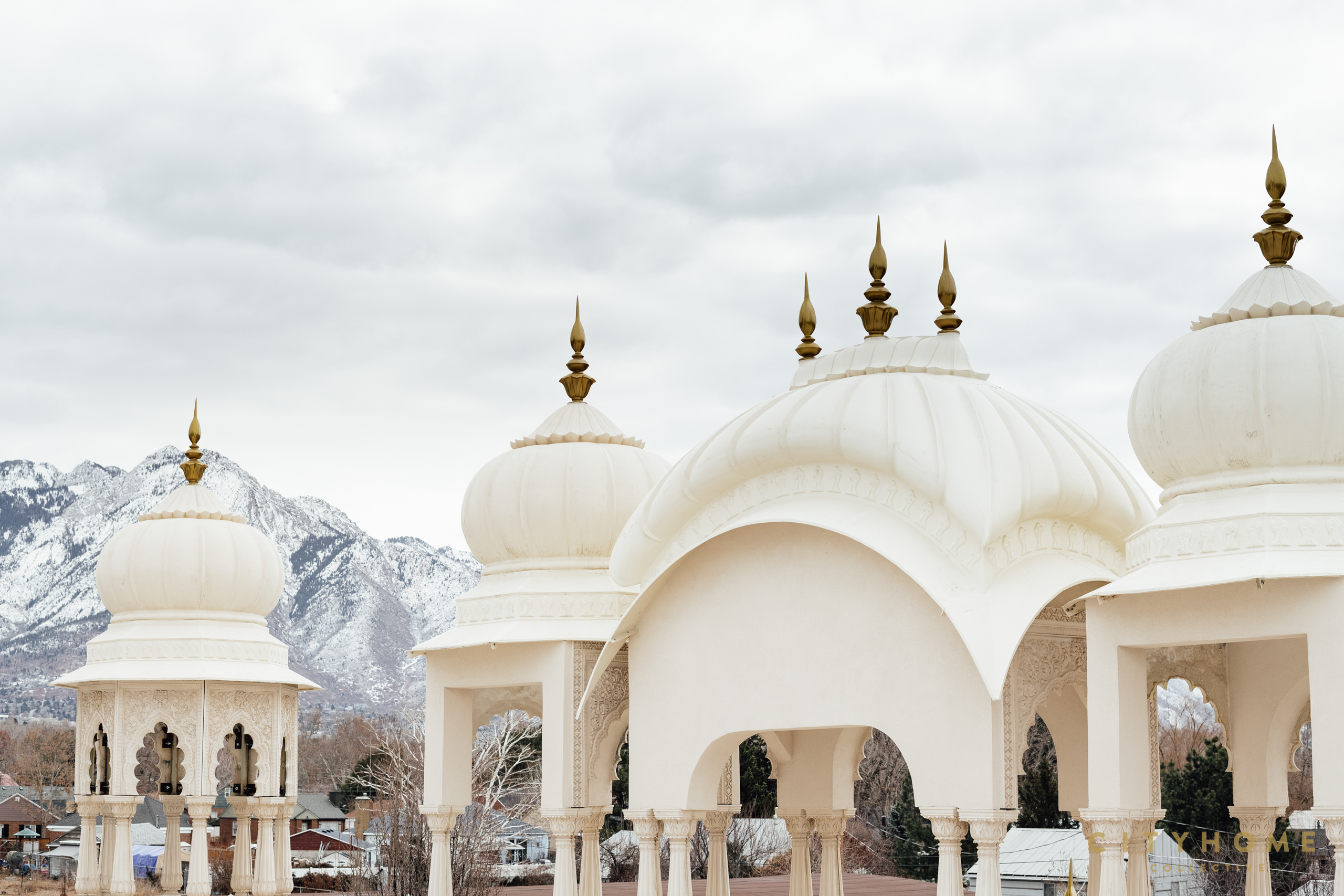
In acknowledgment of these countless architectural contributions, we discovered the development of a most prized four-acre lot in lower Millcreek. The property has been under ownership since 2011 by the very same Krishna devotees that brought to us the stunning Lotus Temple in Spanish Fork (completed in 1996). Though at the time of its purchase, existing structures on the land in Millcreek were already operational, a proper place of worship was still underway. Today, atypical white bulbous domes adorned with golden ornaments protruding above the canopy of the trees might catch your eye as you make your way down 9th east through this sleepy segment of town.
Although, few may be curious enough to venture any farther down this dead-end street and marvel at the mystery which lie therein…
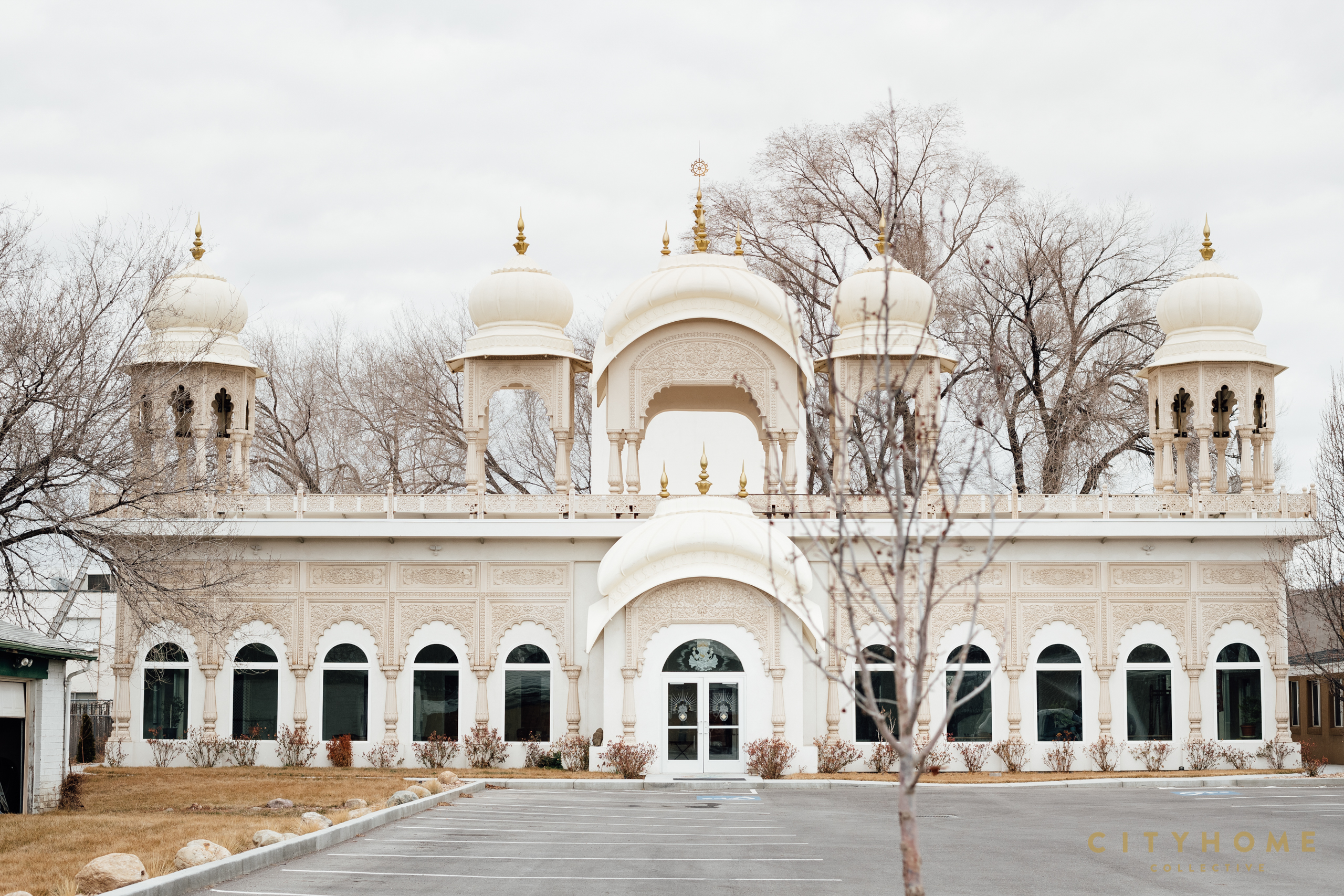
In August of 2019, The Sri Sri Radha Govinda Temple was completed, designed by Vaibhavi Devi Dasi. Born 1946 Cheshire, England, Vai acquired a degree in Fine Arts from the University of London by the age of 21. As a young art instructor in England, world travel was a mandatory rite of passage. Her global venturing would lead her to discover her spiritual path in the Krishna movement and, ultimately, her life companion, Caru. The two would land in the foothills of the Wasatch Range in Utah County in 1982 and begin their work with a newly purchased AM radio station as their podium.
“I did not graduate in architecture. I majored in painting, but I have an engineering talent and find it very natural to build artistically”.
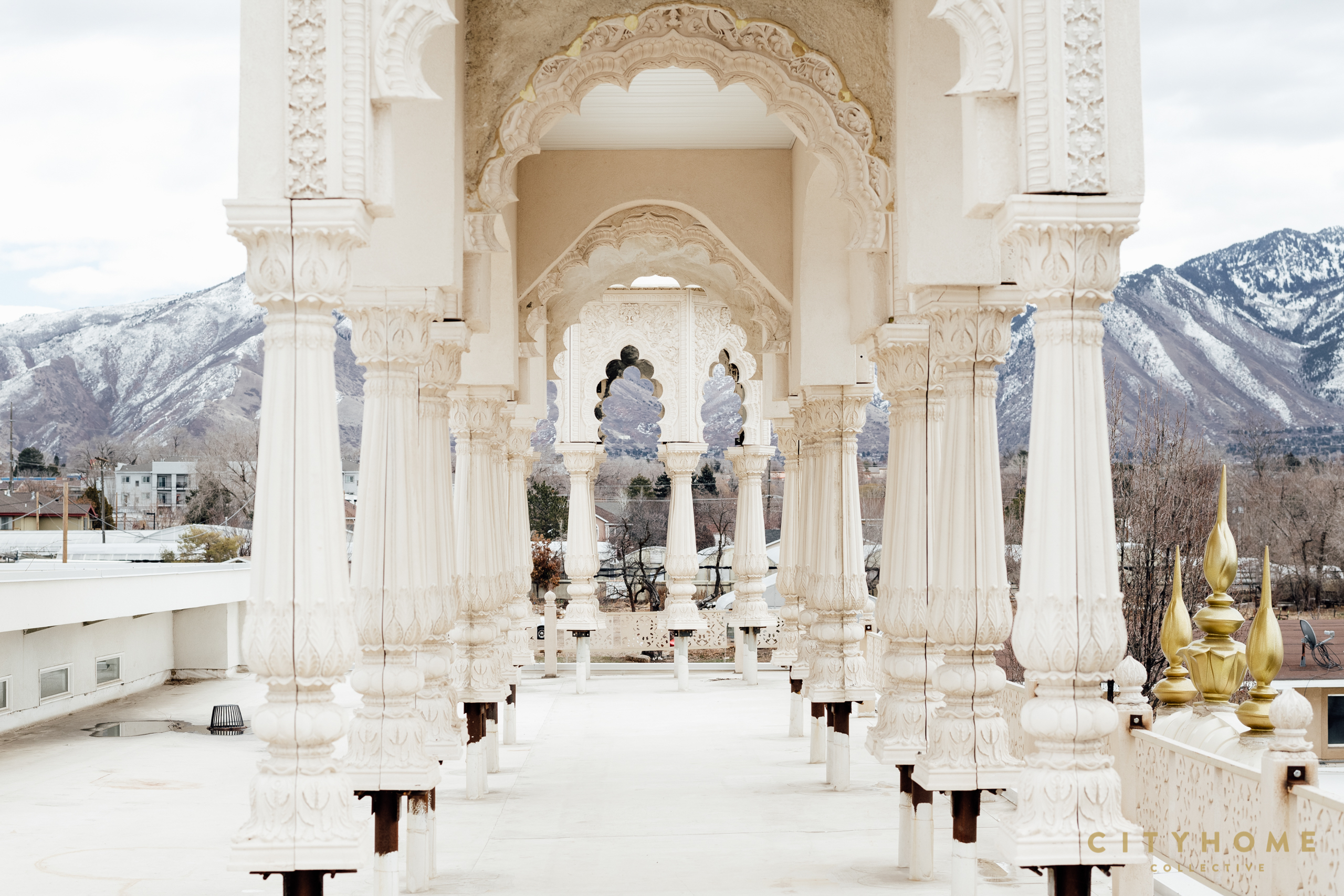
Confessedly, her primary architectural inspiration was the Kusum Sarovar (Lotus on the Lake) in Vrindavan, Rajasthan (Krishna’s birthplace). For this reason, the domes of her designs are reminiscent of lotus petals. “As we decorate Millcreek you will see more paintings and lotus images,” she assures us.
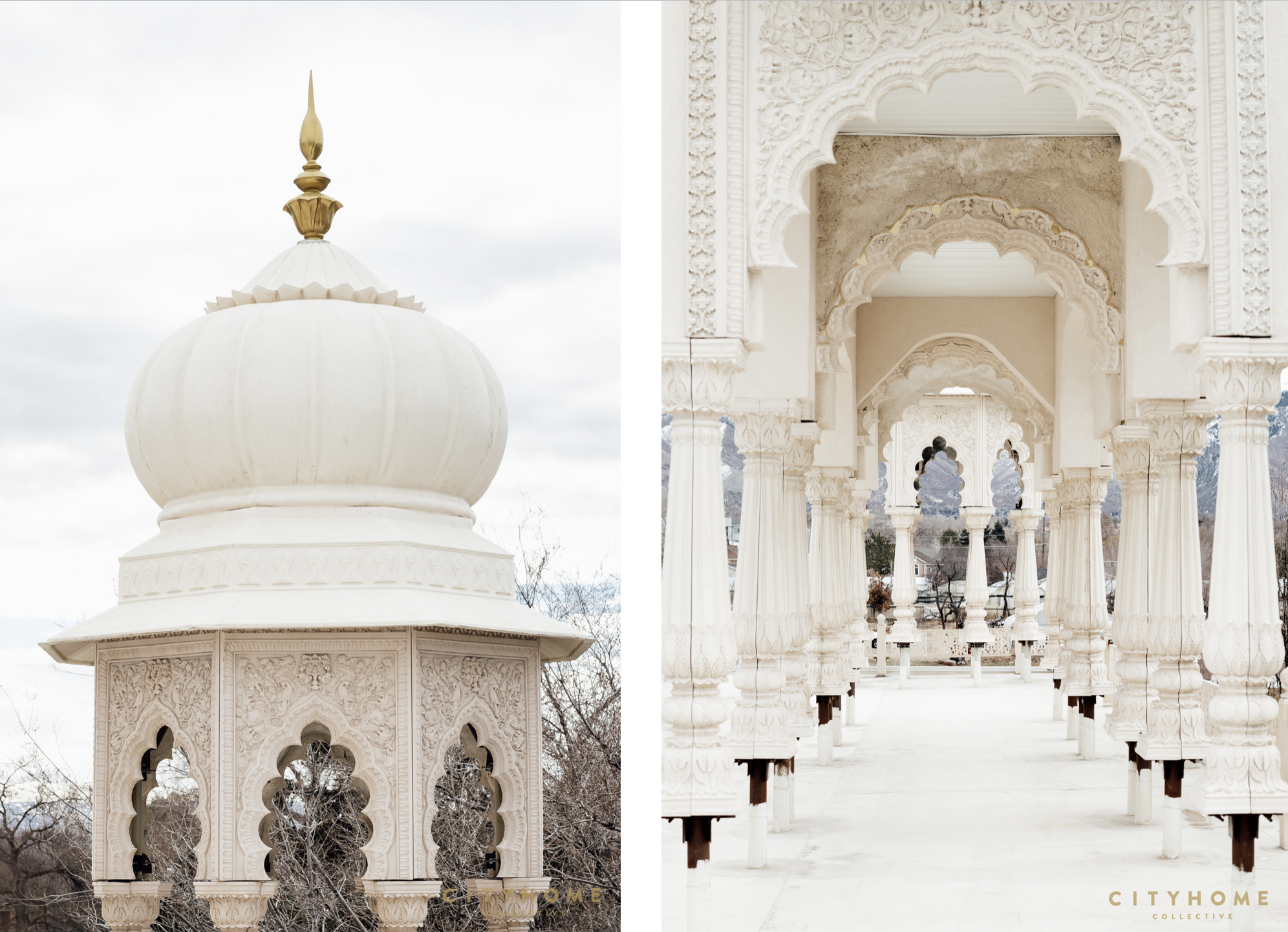
Once Vai’s ideas were conveyed to the community, the plans were set into motion. “I did the designs and always work with a fabulous structural engineer from Utah County who donates his valuable time. Dynamic Structures Inc. helped with the structure for the Spanish Fork Temple, as well as Millcreek, and Vai brought in friends from Blue Steel Architecture, LLC to help with codes and construction. When asked if Caru was granted any creative input, she simply replies, “I always work with Caru. He is very perceptive. He was the one who originally presented the idea for the style.”
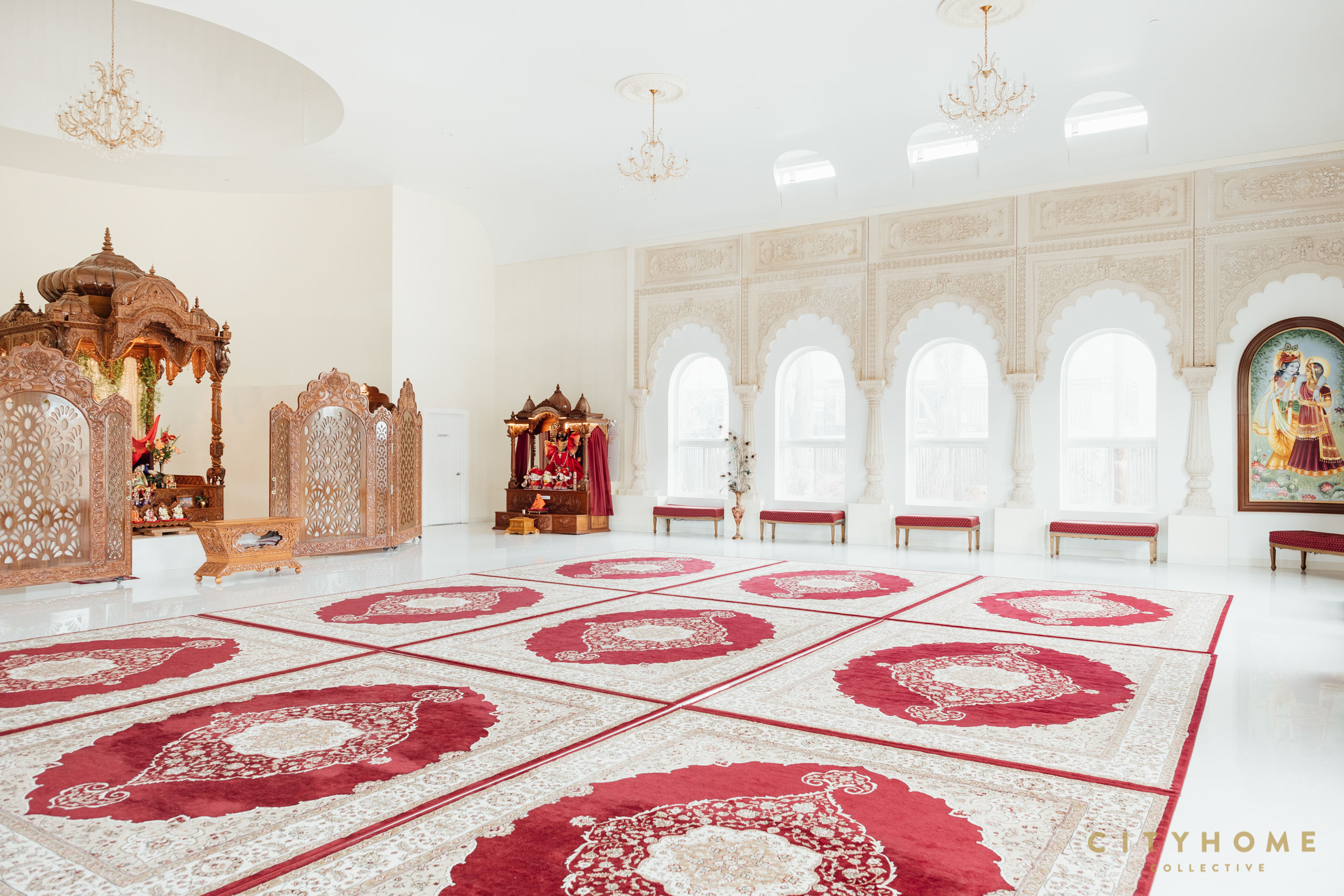
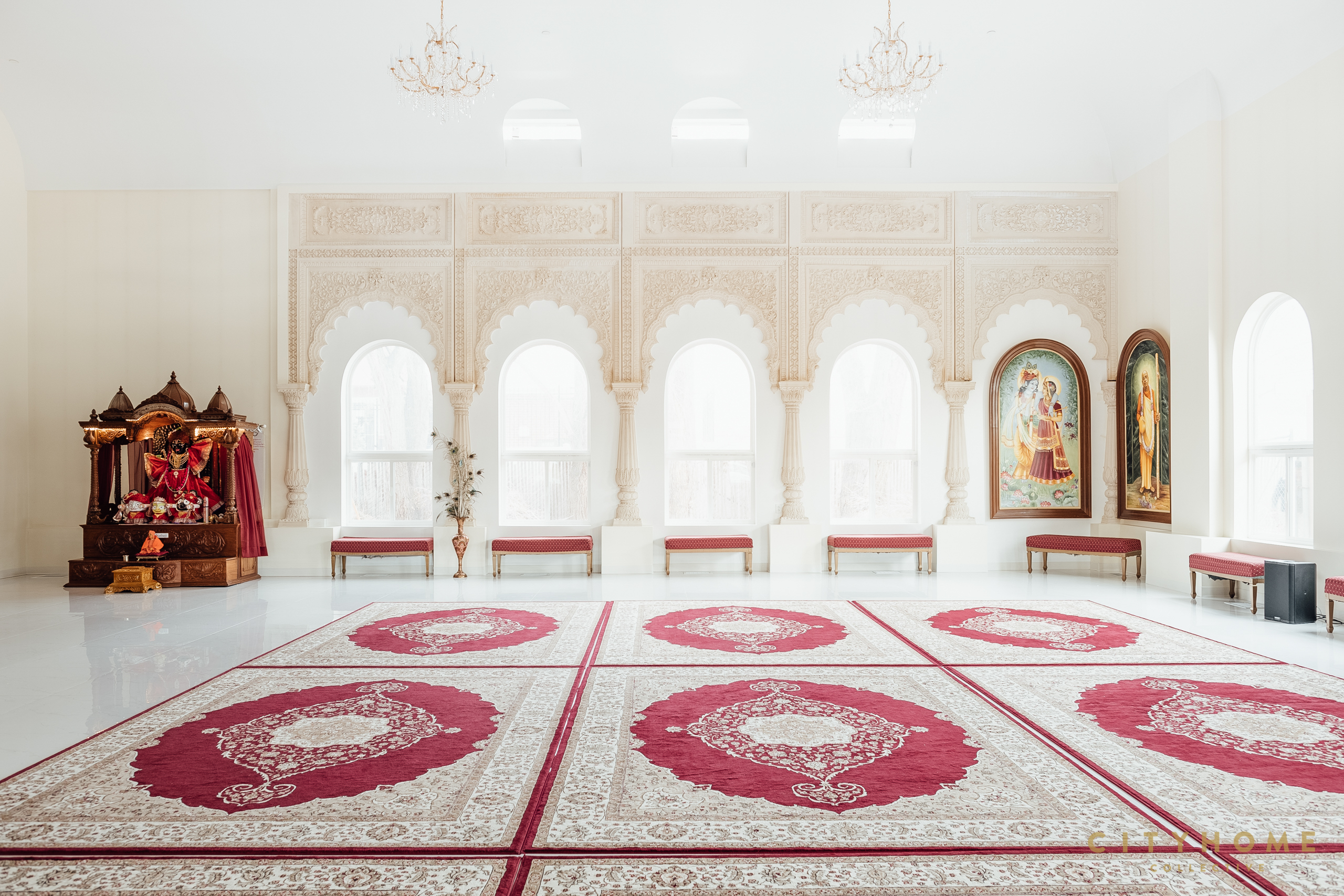
7,000 sq. ft. of pristine white marble tile lines the temple floor in its entirety.
“The deities face east, in the center, the place of Brahmasthana (center of stillness). The main dome covers the deities, other domes are decorative in the Rajput style,” Vai explains. Vaulted ceilings of the spacious reception hall provide open meeting space and free light passage to the temple room or charming boutique, lavishly laced with colorful garments, mindful books, and quintessential sanctuary needs.
The structure is, at its core, designed to welcome, to provide for the surrounding community. “The property comprises four acres: one acre for permaculture home-grown organic food, and two acres playing field kept clear for events, festivals etc.” Quaint, separate living quarters are provided for volunteers and devotees, and the existing structure contains and auditorium, private yoga rooms, a childcare facility, and a community kitchen. Says Vai, “As funds permit, we shall install a full commercial kitchen to provide tasty vegetarian dishes to the public as in our cultural tradition.”