Rituals, especially self-care, inherently come with intention.
“Handmade objects are intentional in so many ways: they are unique, one-of-a-kind, with fingerprints from the maker and a story. They are not just machined, manufactured goods. They have been part of the human experience. When someone buys one of my pieces, they take a part of my home, mind, hands, and community with them. It’s a small reminder that self-care doesn’t need to be grand; it’s in the small daily actions that collectively transform how we feel.” – Jennie Bradford, Ceramicist
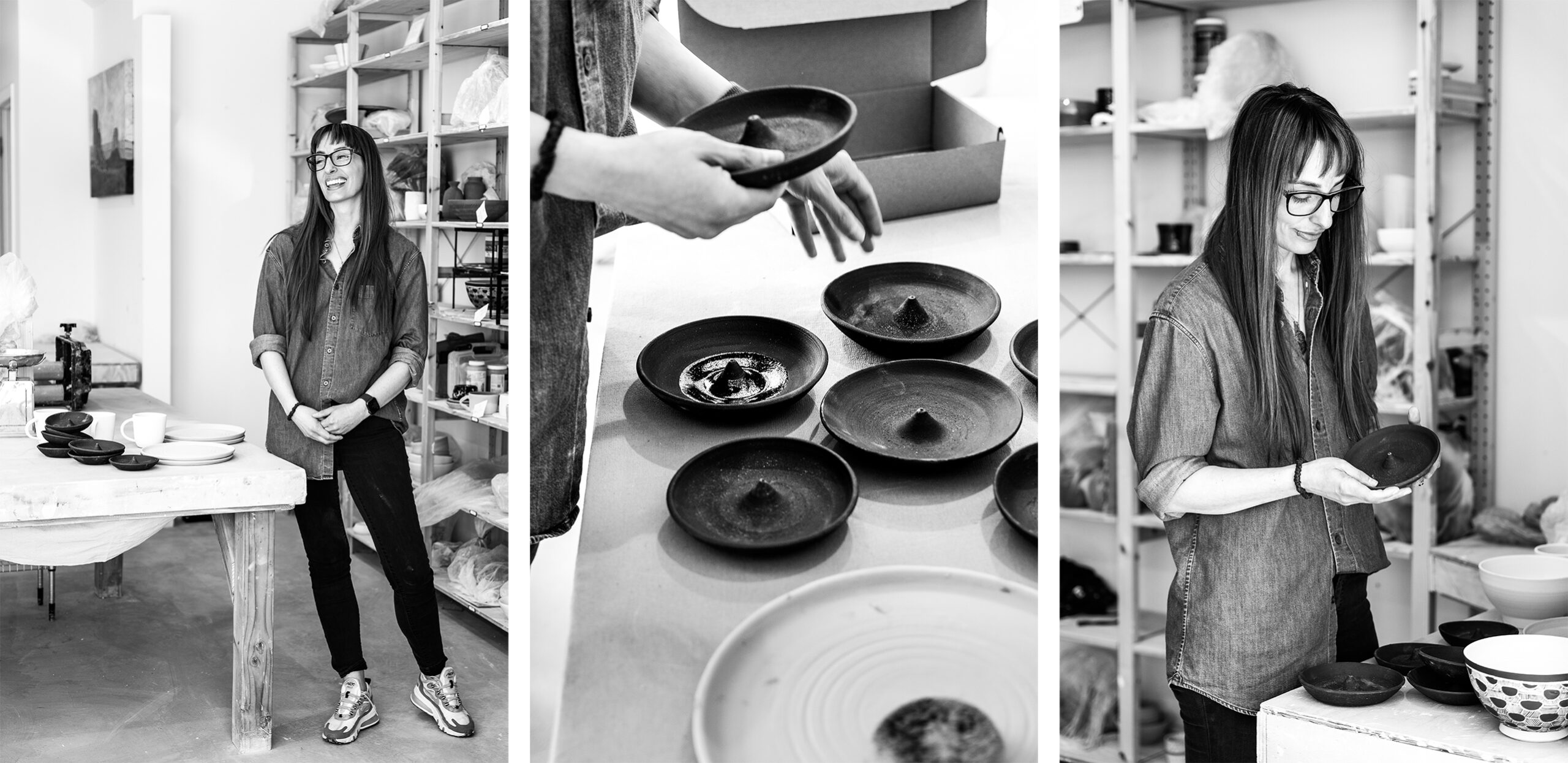
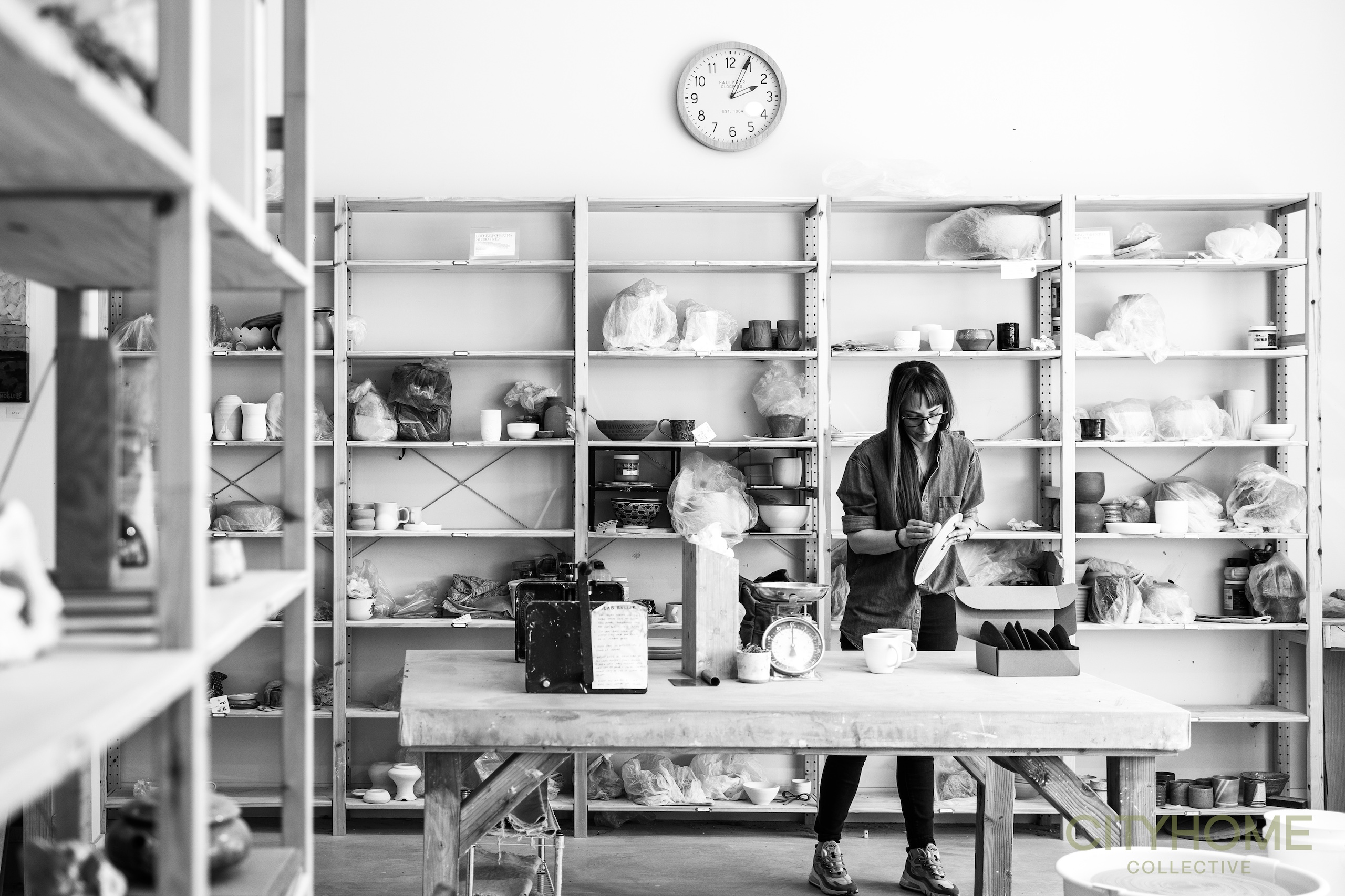
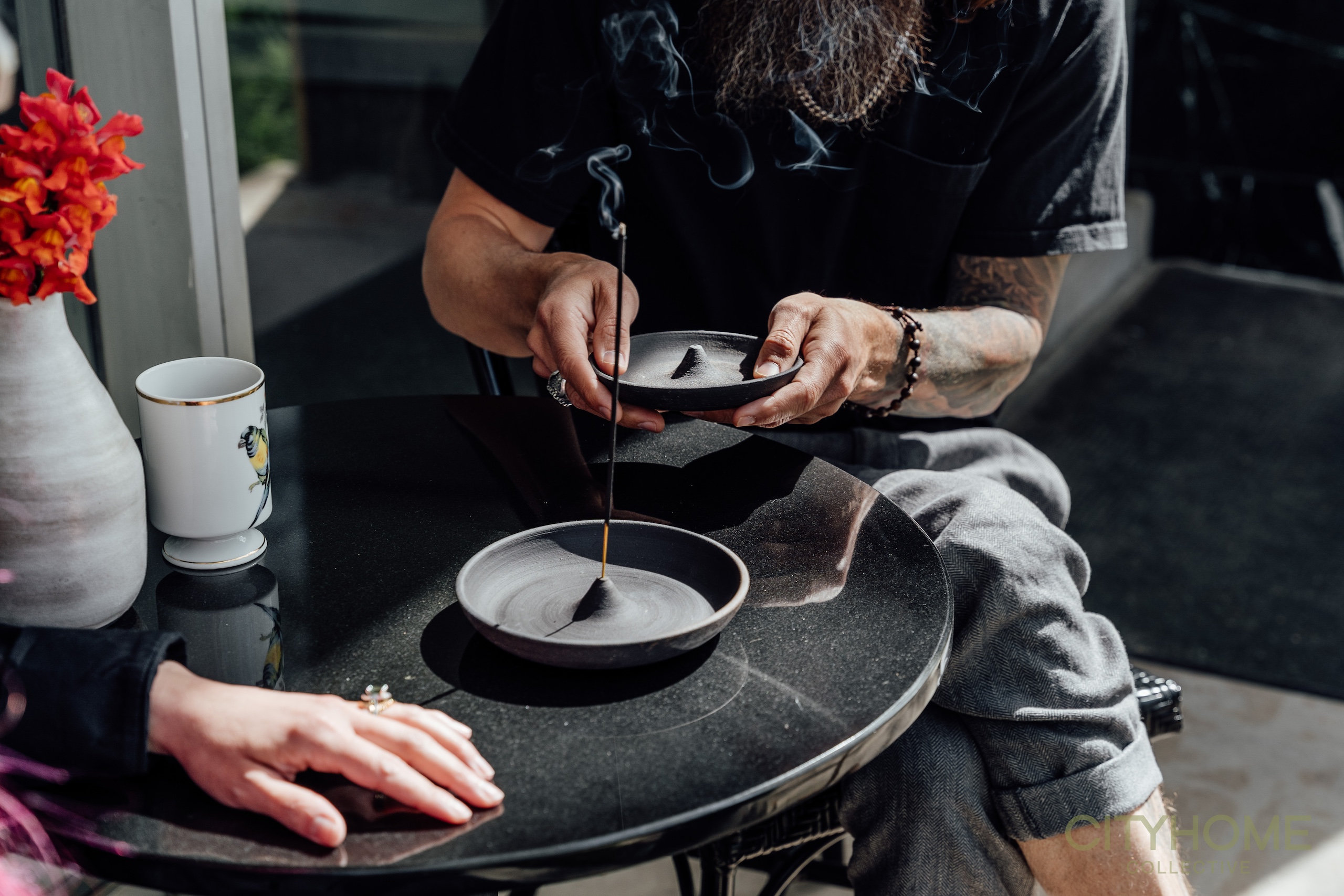
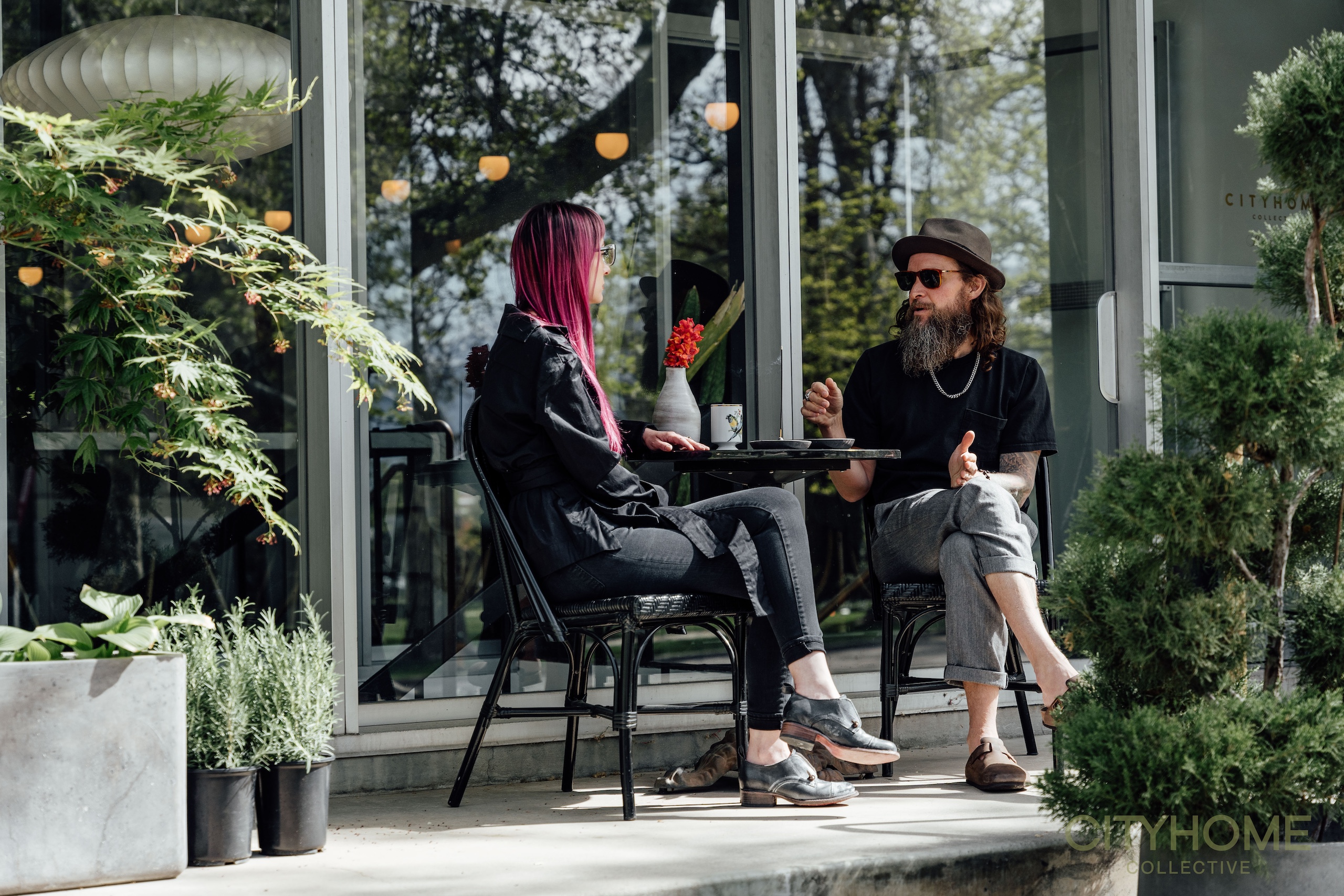
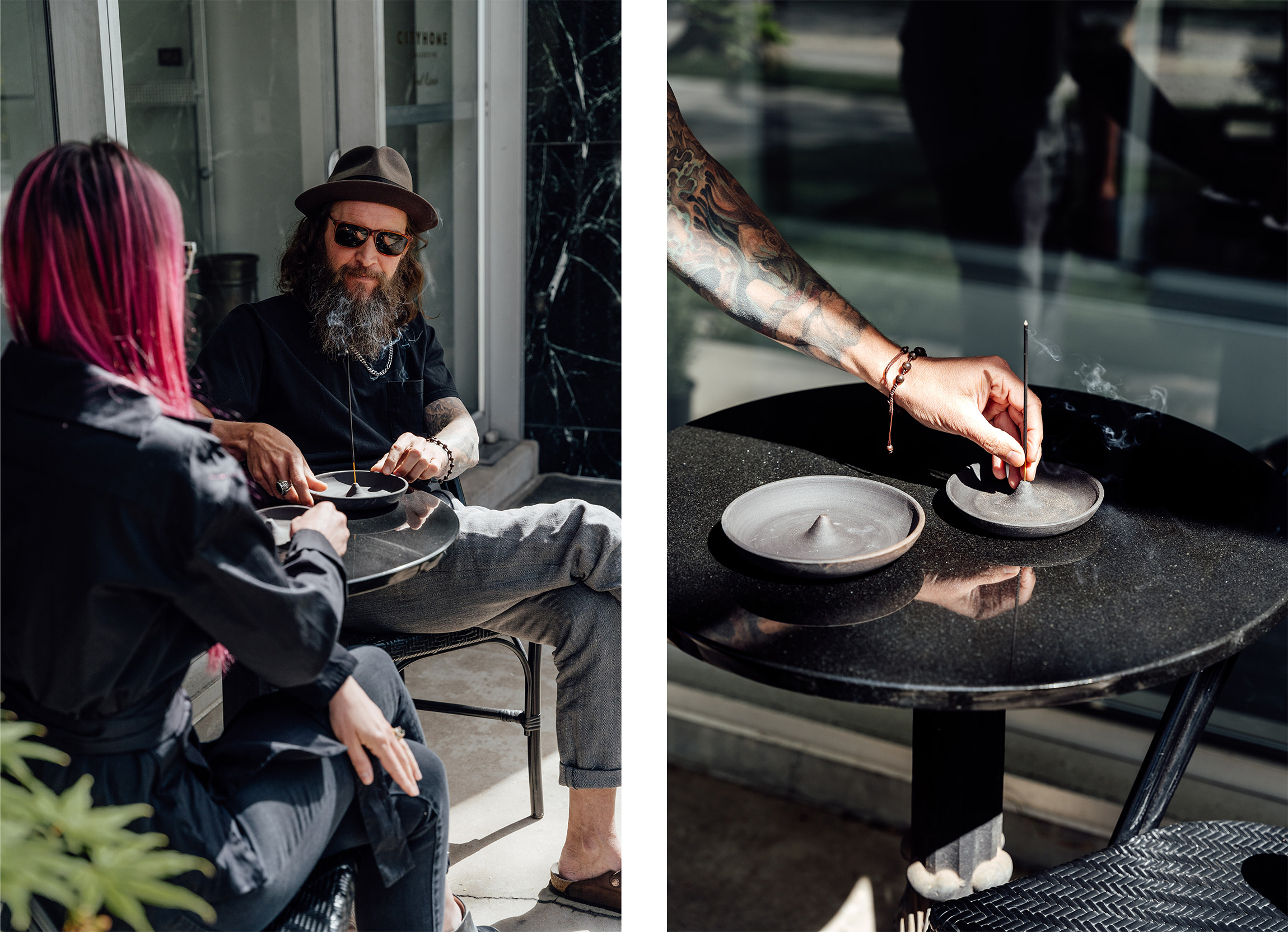
Lucky for us, Jennie has made a small batch of beautiful black incense holders for us and our peeps. That’s you. And yours. Come and feel these for yourself, if you wanna. And what better way to remind and encourage us to bring cleansing scents into our homes than by having a handmade incense homie asking for a light everyday. For a few words between myself and Jennie, click here.
swing by to check them out: CITYHOMECOLLECTIVE | 645 E. SOUTH TEMPLE
Monday-friday 8am-4pm
33.00 / 12cm & 55.00 / 15cm (black clay)
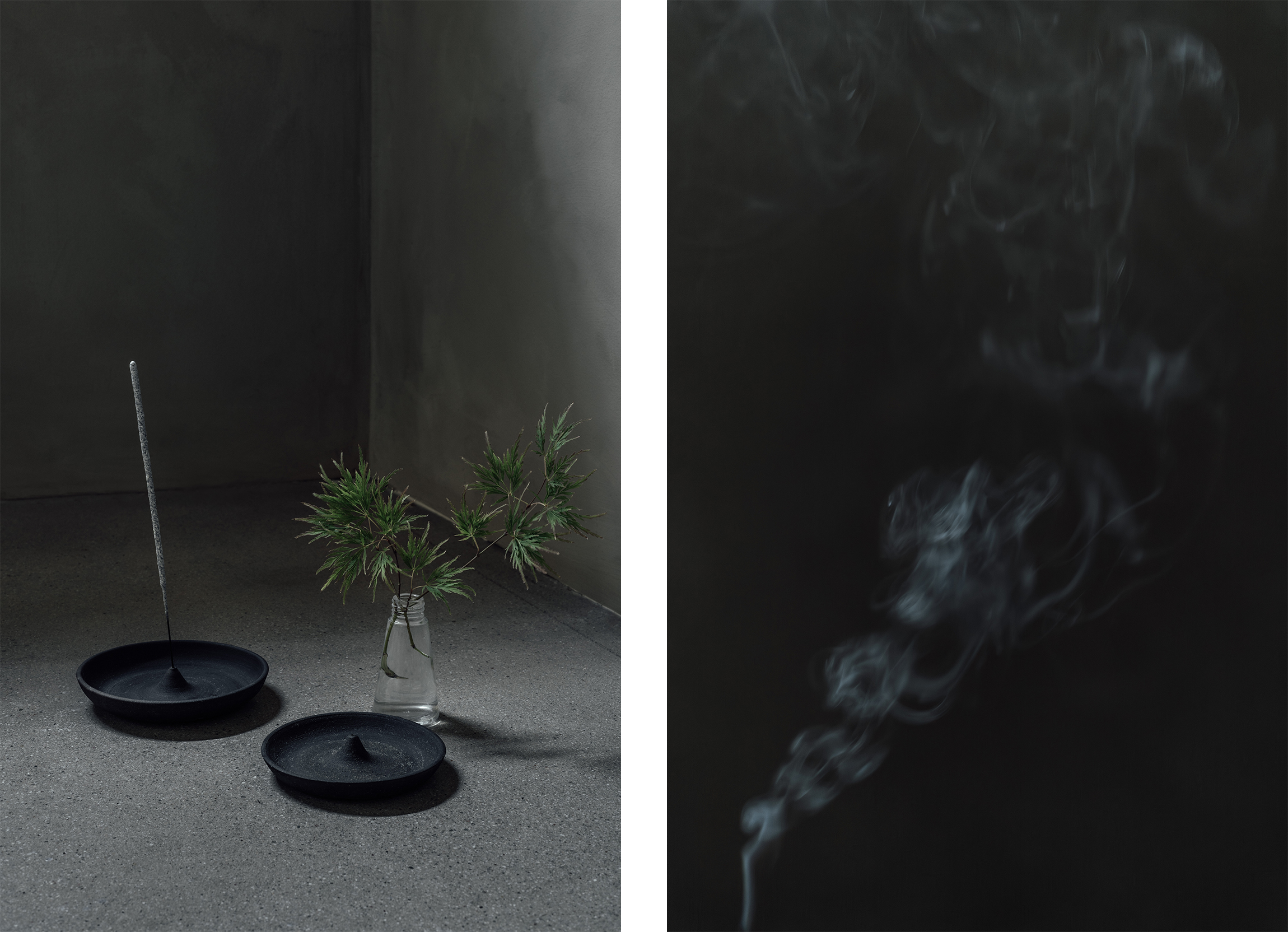
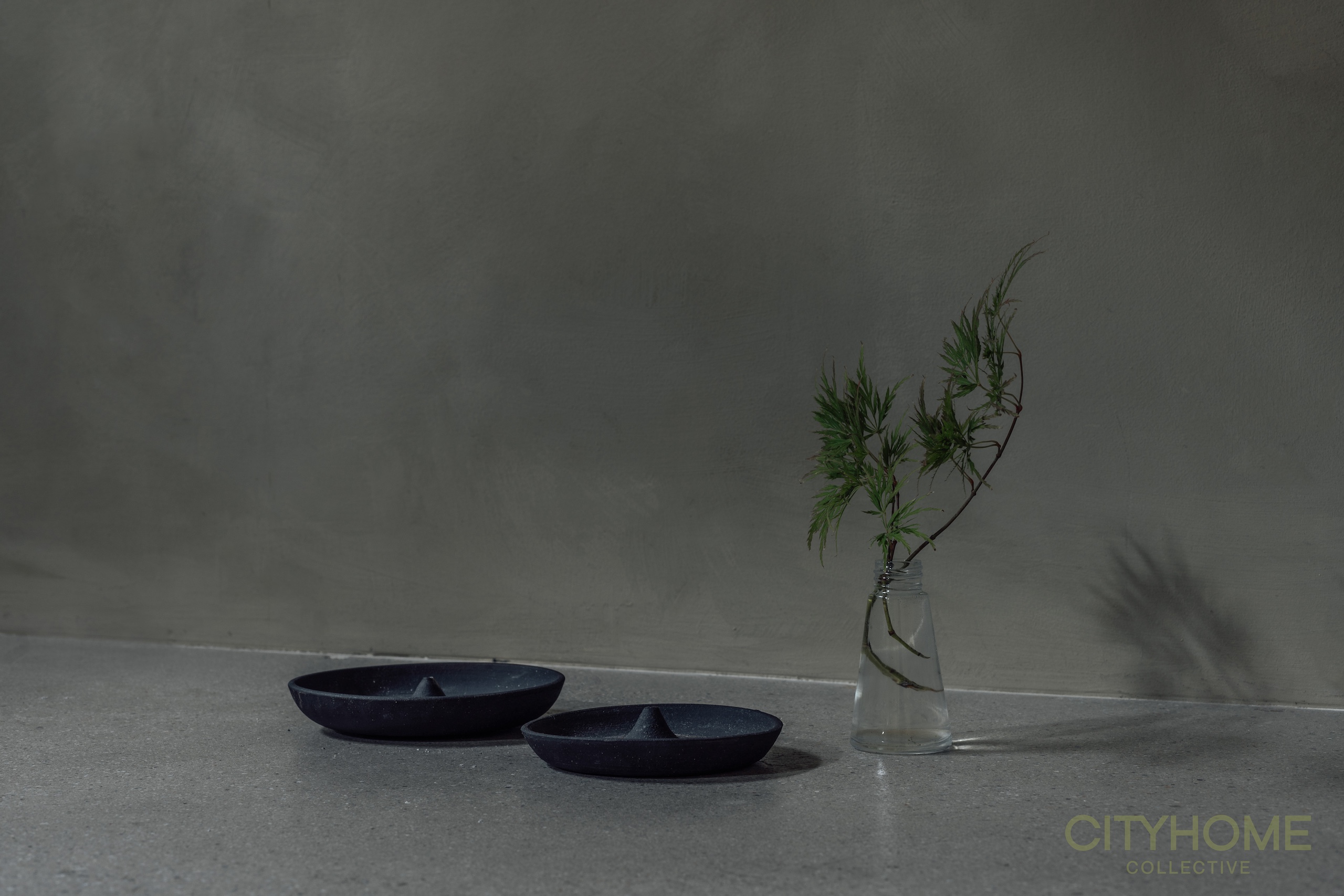
I’ll tell you what brings me joy. Seeing friends make things. Art, poems, furniture, music. All of it. And when those things are made with love and intention, well, it’s what we live for here at cityhome. Objects made by the actual hands of breathing artists, come infused with the maker’s soul-force. Good news for us, Jennie has found calm in the process of creation. And we can feel it in these goods! Nice work Jennie. And thank you. Lucky for us, she has made a small batch of beautiful black incense holders for us and our peeps. That’s you. And yours. Come and feel these for yourself, if you wanna. And what better way to remind and encourage us to bring cleansing scents into our homes than by having a handmade incense homie asking for a light everyday. Thank you vibe holder. And thank you Jennie. To the makers! (Mark your calendar for next week Friday June 21st, 10:00-1:00 to meet the maker, and handle an incense holder. Two sizes offered at 33.00 and 55.00). Now, a few words between myself and Jennie.
How did this all start?
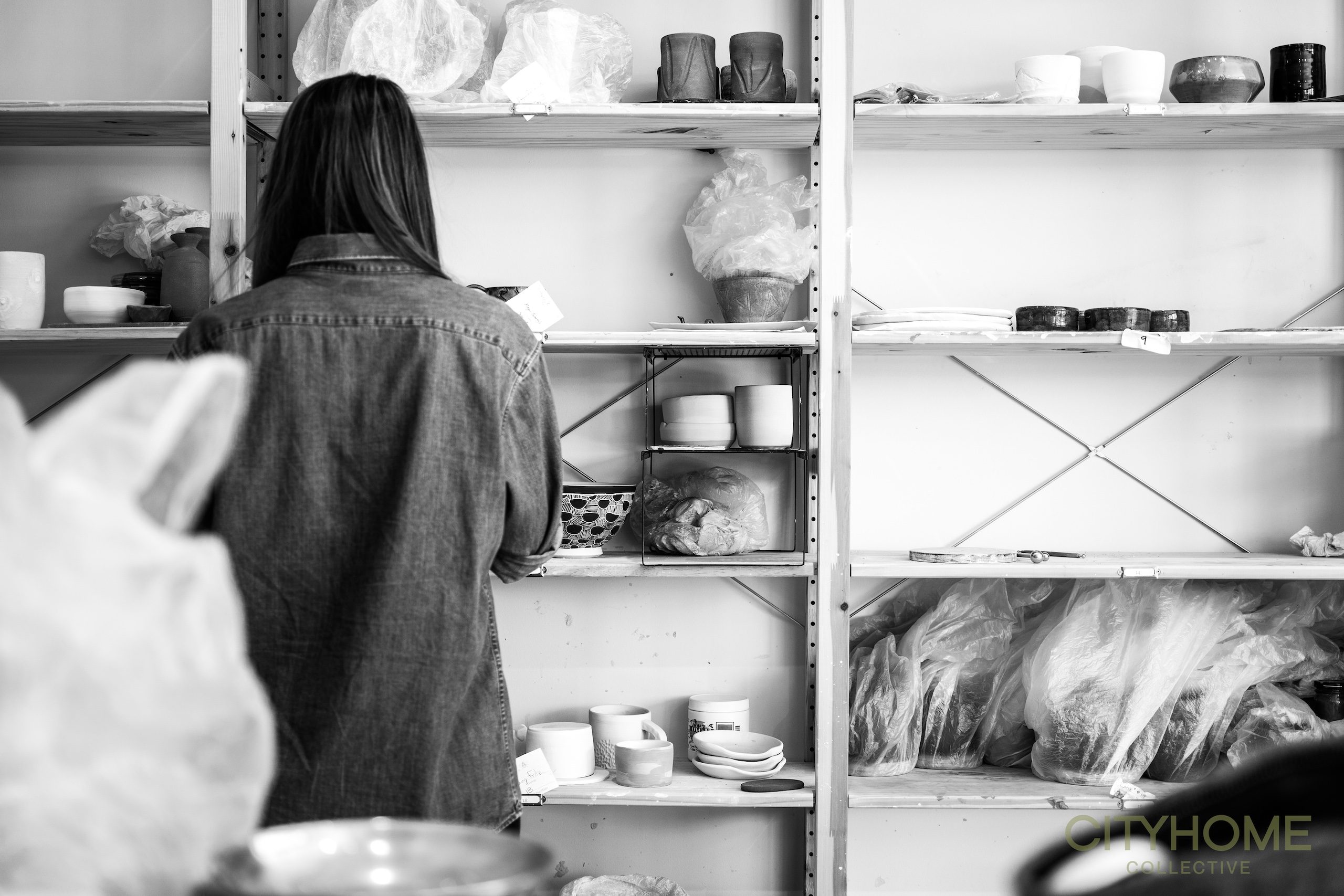
Last June, Dax (my husband) and I were walking through 9th and 9th, stopping at some of our favorite little spaces. We decided to walk a little further up the hill toward The Whale. I noticed this gorgeous space with huge windows, lots of plants, and many shelves. I saw a group of people throwing pots on wheels and started reminiscing, telling Dax about how I used to take pottery 20 years ago in high school. I used to take my parents to the studio on Friday nights to show them all the things I was making, and I even helped my dad make a little piece. I felt like a light broke open inside my chest. We kept walking, and I kept thinking about the studio. I signed up for my first class in July ‘23, and I don’t think I’ve missed a week at the studio since.
What are you getting out of this? How about other folks in your life, any hopeful benefits?
A few months after I started classes at the studio, I was working there alone. No classes were happening, and no studio members were around. I was getting a bit frustrated with centering a piece of clay. I would think it was centered, then I’d take my hands off, and it would be off-center. I remember my second teacher at the studio, Nicole, talking about how she cried during her first college ceramics class. In that moment of feeling like I wouldn’t be able to get this piece centered, I felt like I was going to cry. A flood of emotions started showing up; so many things in life at that time felt big and out of my control. Here was this ball of clay, so small, yet also feeling out of control. Maybe it was my higher self or the voices of thousands of potters before me, but I had a thought: “I’m moving the clay, the clay isn’t moving me.” It felt so profound and so simple. This mantra has threaded itself into other areas of my life.
As winter rolled around, I had reached the point in my throwing where I was just holding onto pieces I’d made simply because I’d made them, and it felt like it was time to grow more. I took a class from an amazing teacher at the studio, Anna, and she had us throw a piece as fast as we could. My piece was… fine. It wasn’t great, and as I was getting ready to cut it off the wheel and save it for the next step, she asked, “Why are you keeping it? Don’t be too precious about the things you’re making now. You can always make it again. And probably make it better.” This was a huge lightbulb moment for me; Don’t hold onto things that aren’t up to the standards I want for myself and my life.
Talk to us about the materials. the why and the what?
Black clay is both stunning and temperamental. Glazes react to it in the most unpredictable ways. But not only that, if you push this clay too hard or too fast, it’ll split or collapse. Pulling too fast can have disastrous results. It became a reminder to move at the right pace. Some clays are more forgiving, and some clays are even more particular. That’s not a bad thing; it’s just different. Some clays work better for certain things—they have qualities that other clays don’t. And again, it’s not bad. It’s just knowing when to use which clay for which project/piece. I think that’s a beautiful metaphor for life. As we change and grow, we realize we may be inept at certain things and really thrive at other things. Sometimes we’re put in situations where it’s likely we’ll fail, but sometimes that failure can be beautiful. It’s about learning our strengths and accepting our shortcomings.
Your pieces and process is very homie. tell us more.
A simple act of lighting incense to clear your mind, clear your home, and bring yourself to the present moment can be so healing. Sharing in that act of self-care feels sacred in a way. It’s a reminder that self-care doesn’t need to be a grand expression; it’s in the small things we do throughout our lives that add up to a big shift in how we feel about ourselves.
I wanted to make pieces that are functional and beautiful. The struggle to strike that balance has been a lesson in approaching this art very consciously. There are definitely days when the clay just becomes whatever it wants to be. And other days where it’s a dance. When I’ve made a piece that really embodies that sense of beauty and function, I’ve created something that can help someone find joy. A vessel for sharing a drink with a friend, bringing soup to a loved one, or lighting incense for themselves—all of those things, in essence, are self-care.
Any final thoughts for us?
Rituals, especially self-care, inherently come with intention. Handmade objects are intentional in so many ways: they are unique, one-of-a-kind, with fingerprints from the maker and a story. They are not just machined, manufactured goods. They have been part of the human experience.
When someone buys one of my pieces, they take a part of my home, mind, hands, and community with them. It’s a small reminder that self-care doesn’t need to be grand; it’s in the small daily actions that collectively transform how we feel.
Enough said.
for jennie’s studio tour and product details, click here
“Our lovely friend and cityhome ally Meg has been coming to our gatherings for years. She shared a few words with us that she wrote about her experience. We asked her if we could share it here. Lucky for us, she said yes. Thank you Meg. For being you, and for bravely educating the world on what it means to live in a more inclusive place.” -Cody Derrick
More of this, all around!
Thursday mornings at cityhomeCOLLECTIVE in downtown Salt Lake City with Scott White, is a gift to the senses that gently invites attendees into their authentic selves in a communal, intentional way—through qigong. As an autistic female and full time employee of the nation’s leading nonprofit in sensory inclusion, KultureCity, I’d say it’s an example of true inclusion and, perhaps, puts the framework of a neurodivergent brain at the forefront of its innate practices. Are those words spoken aloud before or after the practice—that neurodivergent brains are at the forefront? No. Are they completely obvious to someone who is neurodivergent? Yes, and that is something so wonderful. It’s me getting to be myself and watching others in my local community try it out.
Perhaps Huang Ti, the creator of qigong in 300 BC, was neurodivergent, because the experience is visceral, freeing and full of stimming, a form of repetitive movement that leads to homeostasis or a self regulatory state—to Chi. Seven of the eight senses are addressed individually and simultaneously throughout (and I just learned that all eight can be addressed in very sacred qigong classes. Amazing!) The visual sense is met with a candle-lit room and dozens of bodies equally spaced around. The olfactory sense is met with the fragrance of the candles—and let me tell you, Cody Vaughn Derrick, founder of cityhome, is king of scent selection—not too strong nor too soft. The tactile sense is met through planting your feet metaphorically into the ground and through your fists and open hands as you create melodic beats against your body. The proprioceptive sense, or where your body is in space, is met with exploration of body movements that leave you grounded and very aware of your own space. The vestibular sense, or the ways in which one’s inner ear equalizes sending one’s body into stability or off-balance is met with twisting and turning, reaching and swirling. The auditory sense is met with ethereal and intoxicating sounds of both the quiet music and Scott’s voice guiding you through your experience. It’s met with the peaceful sound of breath. And finally, the interoceptive sense, those messages our brain receives for hunger cues, body temperature regulation and emotional awareness, are met with questions and comments interspersed throughout, “Notice how you feel” and “Do what feels right to you.”
At one point in the practice, everyone is encouraged to make noise as they please—an invitation to vocal stim. Being hyper aware of energy and emotion, if you had a camera on me, I’m pretty sure you’d see me break out into smiles as I take it all in. You’d also see my face contort into sorrow as there are very real sadnesses and pain people in the class bring in with them. I can feel it.
What is practiced within the class is the way of life for neurodivergent individuals. From qigong movements like, “Flowing Through Turbulence” and “Expanding Your Light,” accessing Chi is a reflexive practice for neurodivergent individuals, which is why it is so important to champion unmasking. If neurodivergent, be neurodivergent. There is health and homeostasis in being what your neurology pushes you to be. In essence, neurodivergent two-year-olds, 13-year-olds and 92-year-olds are born with brains that protect them and naturally try to push them into homeostasis—to let go and to move their bodies in ways they need to, to reach a state of peace and balance. Qigong on Thursday mornings at cityhome amplifies all of this and invites everyone of all neurologies to access their Chi. It recognizes the health and need of neurodivergent individuals folded into the world population. A balancing act.
I mean, if this doesn’t scream “different, not less”—
or perhaps it shifts the narrative a bit: the neurodivergent brain works in different ways and many of these ways are optimal (and yes, I know not all the ways are optimal). What I see in qigong class are rhythms and movements of belonging, and if I might say, without a speck of arrogance, the neurotypical would gain an optimal world experience if they would stim and let go in ways the neurodivergent does.
Call the office for info on qigong and other events, or pop by for a menu with calendar details
The endless wonders of nature have collectively captured our attention and adoration,
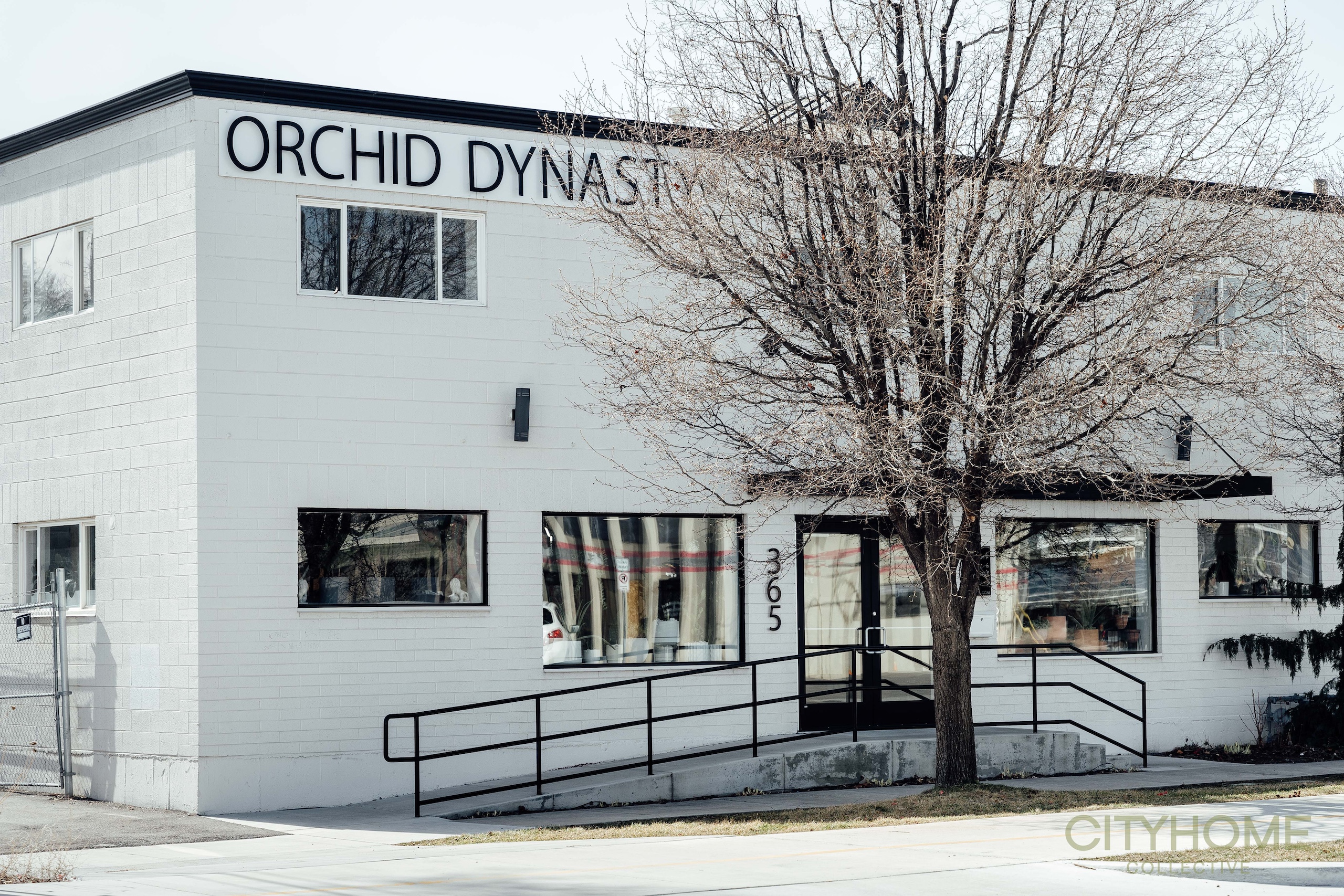
with some of the most stunning plants ever to behold, cultivated, displayed, and readily available right here in Salt Lake City. Our brilliant friends, Clint and Shelly, have expanded from previous locations to their latest masterpiece, aptly named: ORCHID DYNASTY.
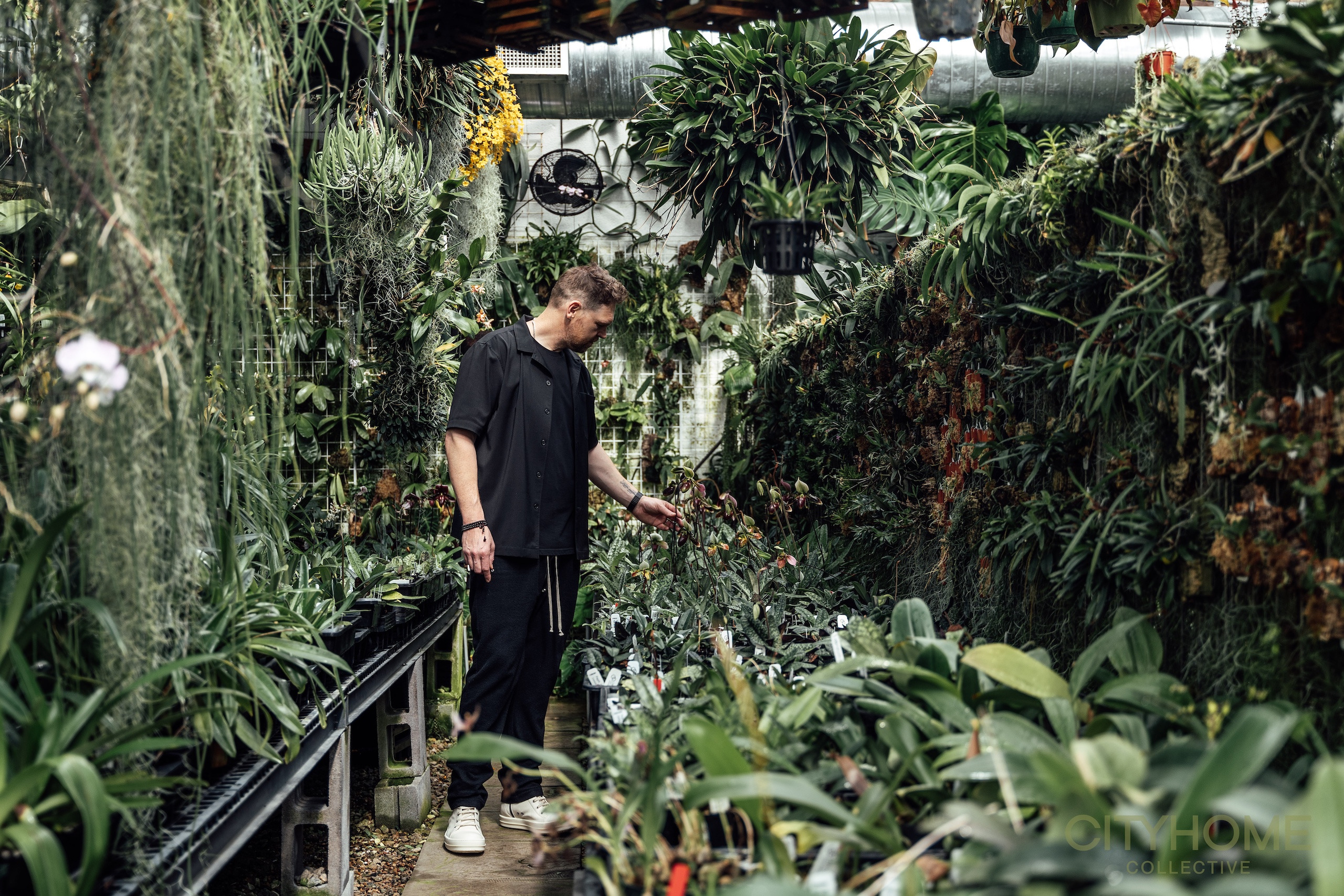
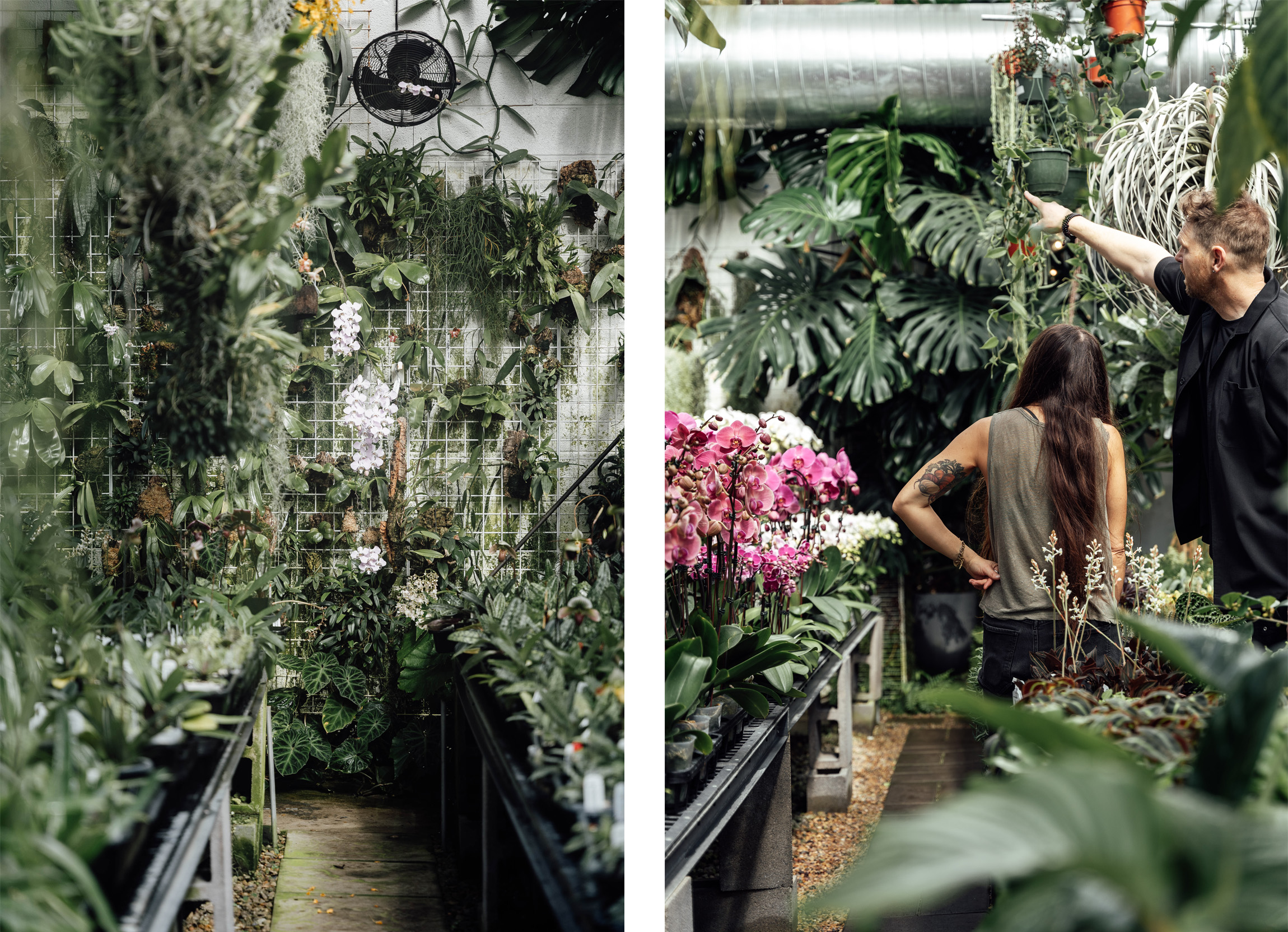
We had the privilege of touring their flagship exhibition – nestled in a stunning, stand-alone building {with both greenhouse and floral design shop onsite} located in the heart of Central Ninth. We enjoyed witty banter, sipped freshly brewed espresso, and explored a Darwinian dream of blossoming beauty and wonder.
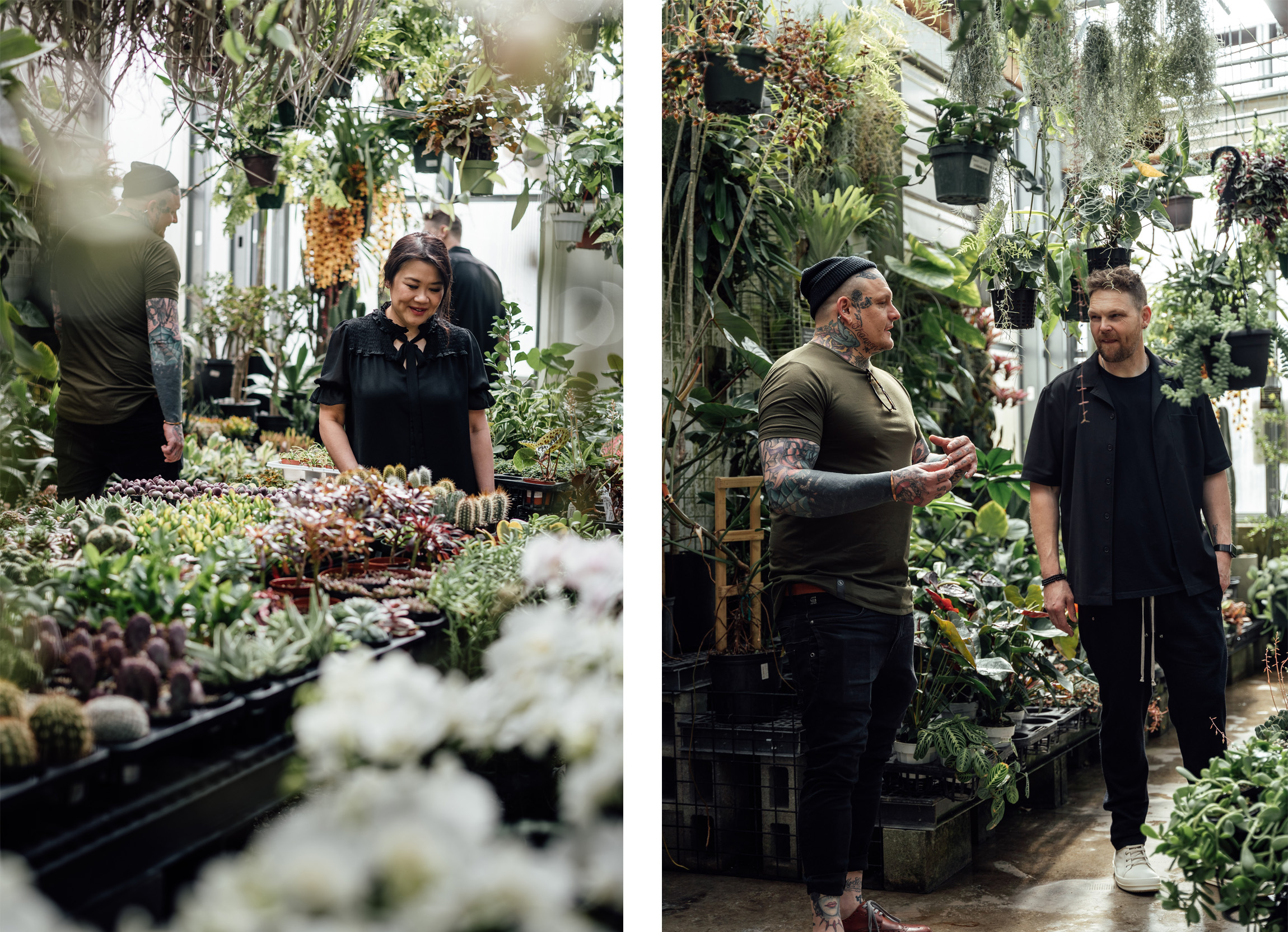
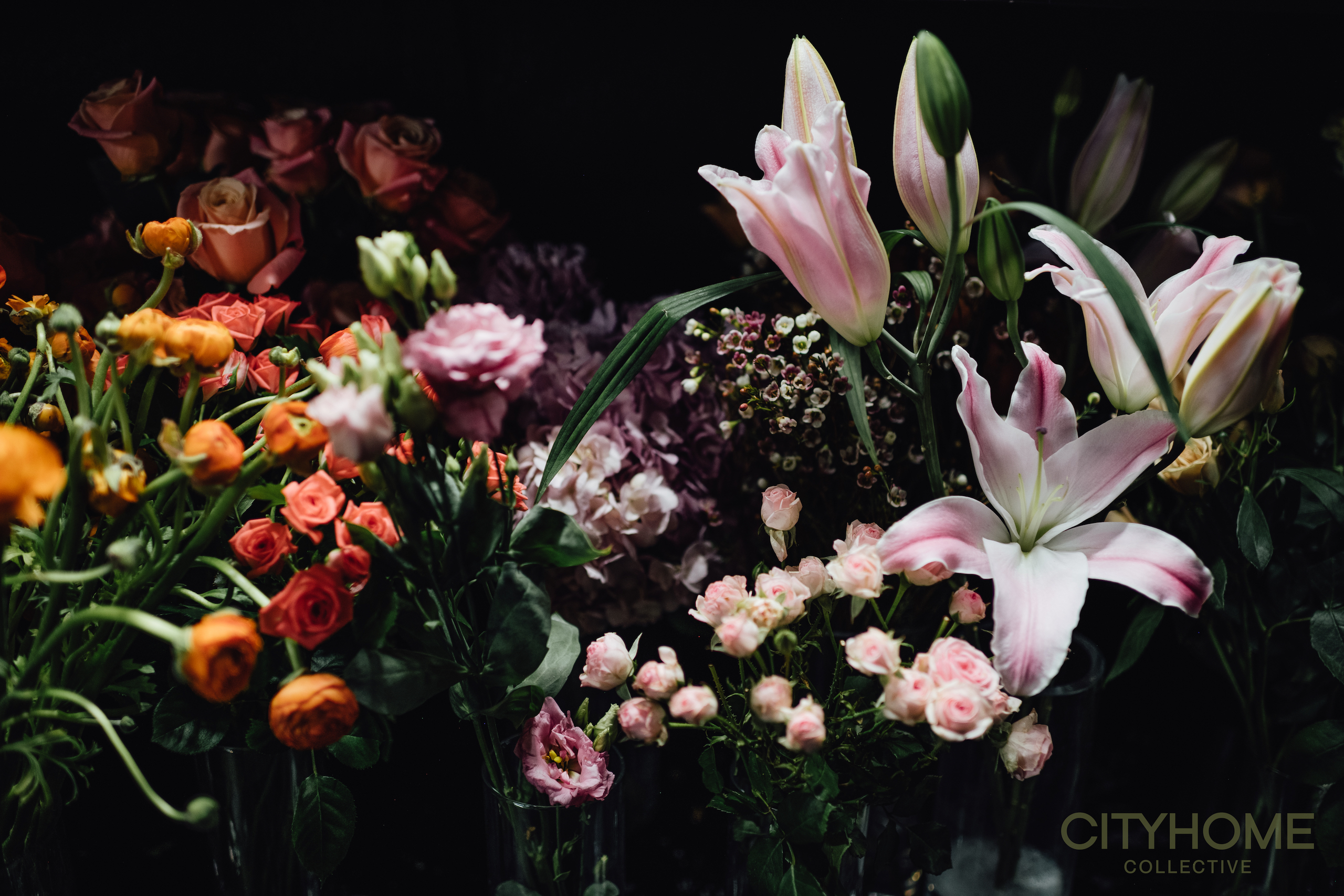
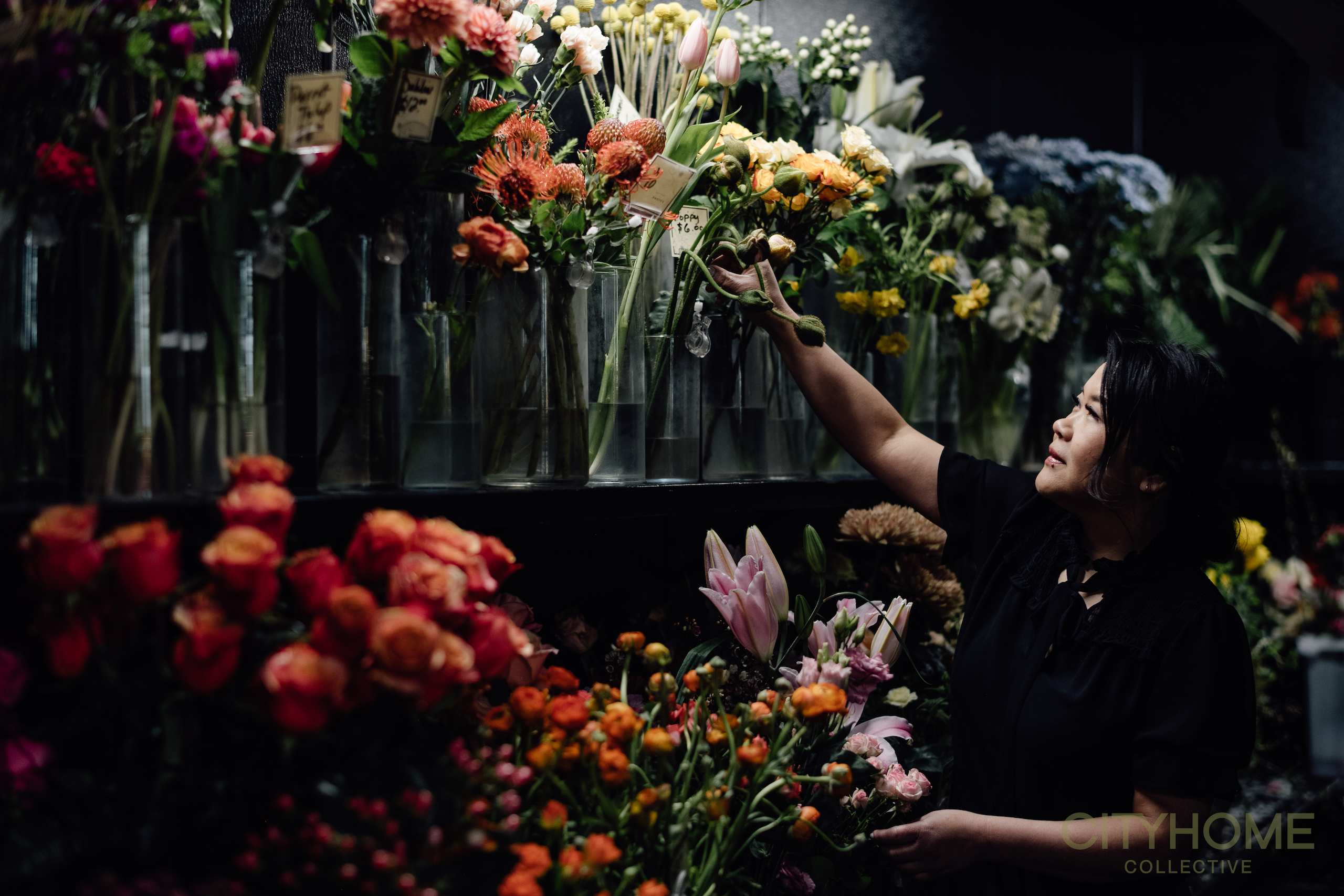
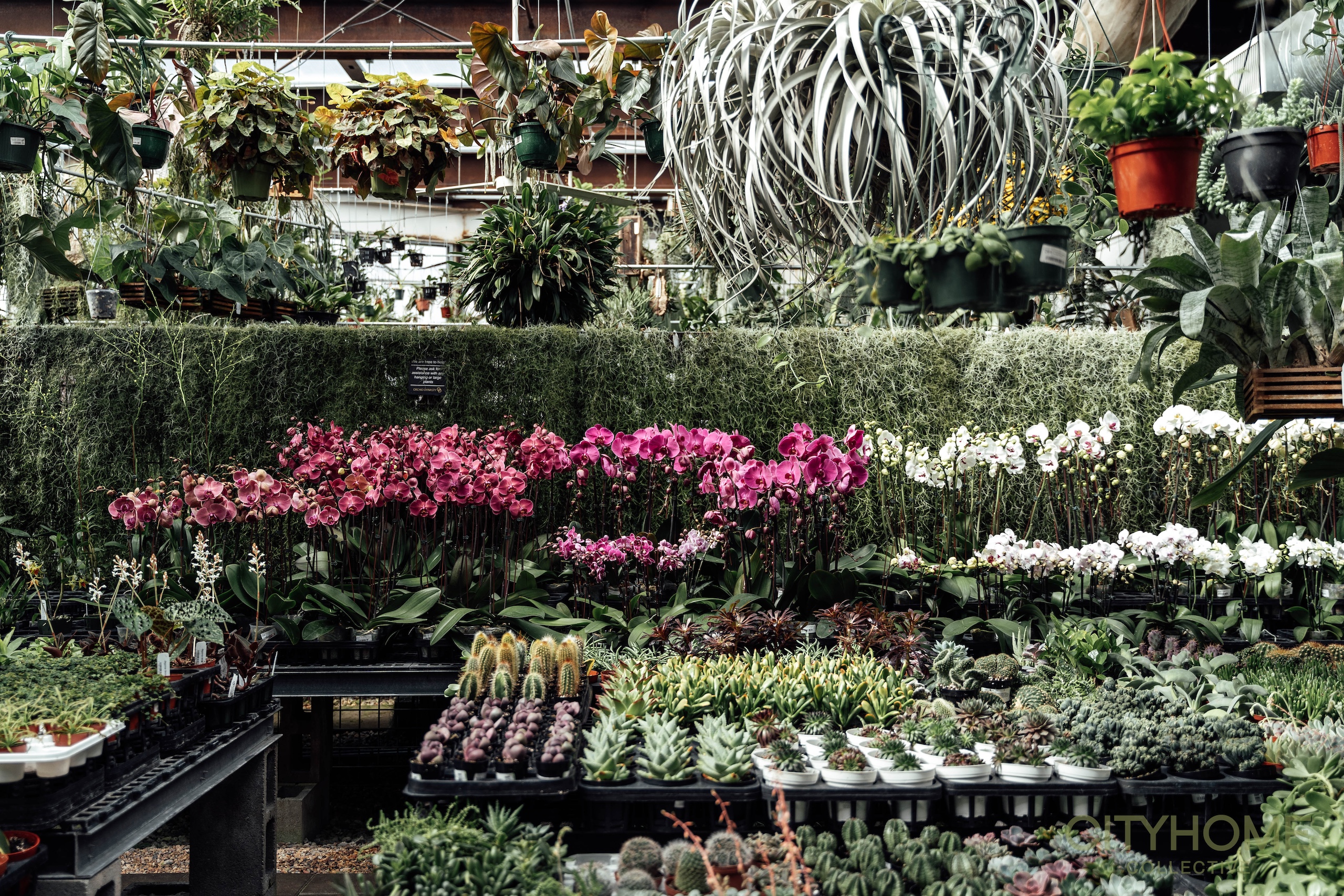
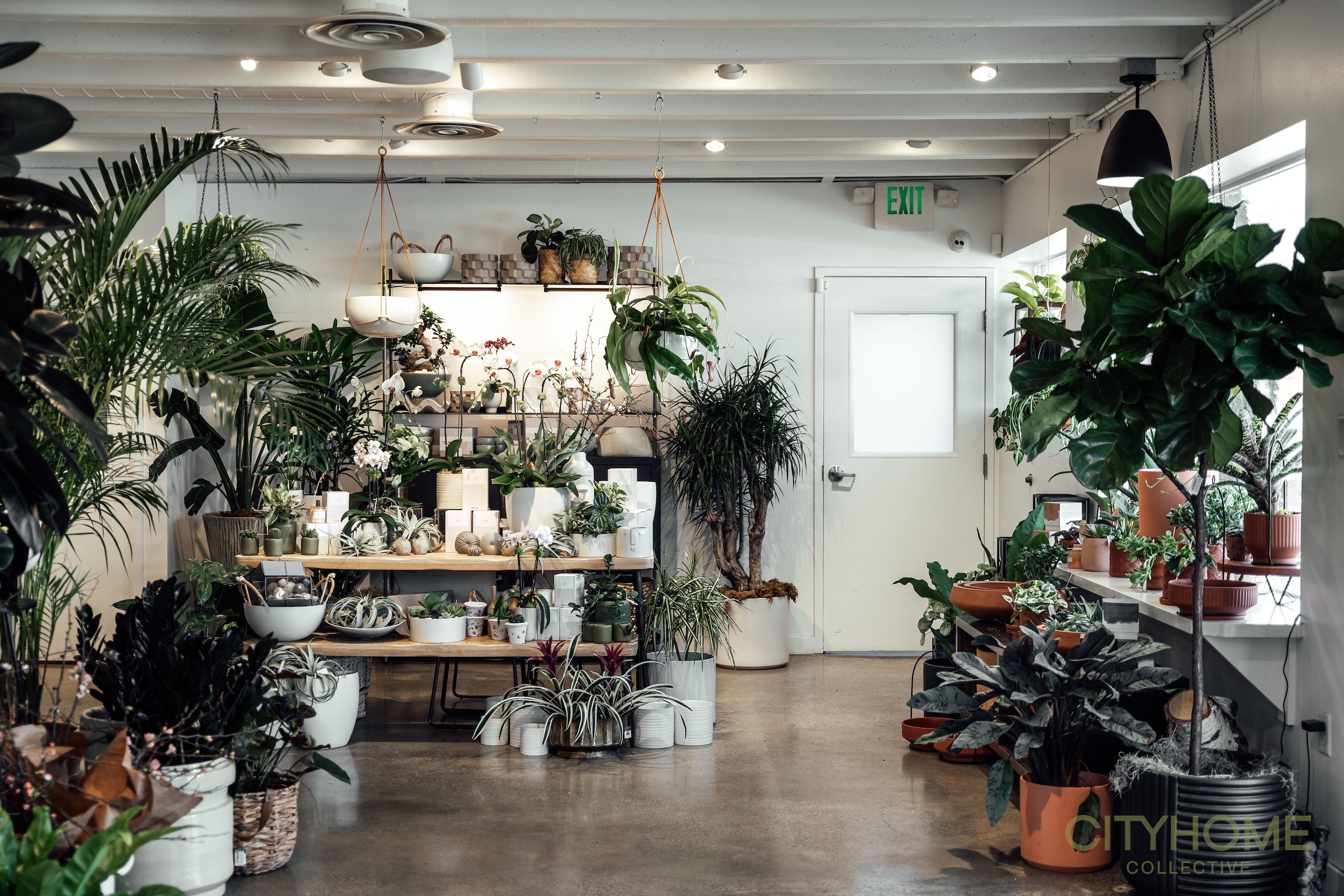
Orchid Dynasty is expansive in both space and selection, with myriad species of plant, orchid, cacti, succulent – as well as gorgeous, individualized floral arrangements for any sized event and occasion. The showroom presents various flora, a variety of ceramic pots, and decorative planters. A bespoke workshop offers onsite, customized floral arrangements that look like literal artwork. From roses to ranunculus, lilies to peonies… ANYTHING AND EVERYTHING one could possibly desire, all fresh and ready to be fashioned into a bouquet of living art.
The greenhouse feels like stepping into another dimension – a bygone era of true, tropical paradise where floor to sky beauty blossoms and sways and above the store is a dedicated gallery space, for occasional events and reserved, private gatherings.
A union of talent, passions, and dedication all brought to fruition a living, breathing hub – an Orchid Dynasty.
Shelly and Clint are without doubt quite the dynamic duo – pillars of our community providing the perfect place for plant and person to thrive and flourish.
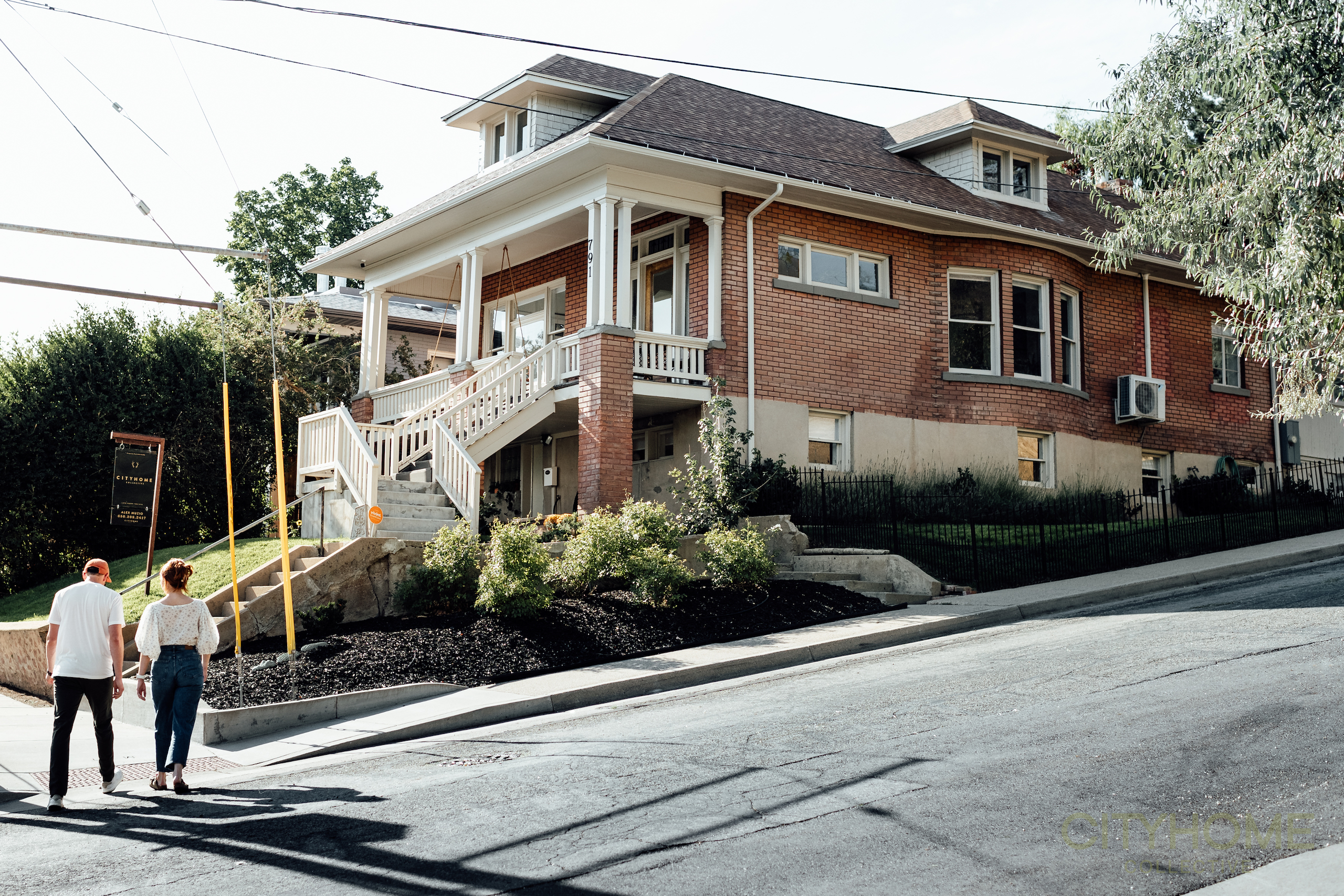
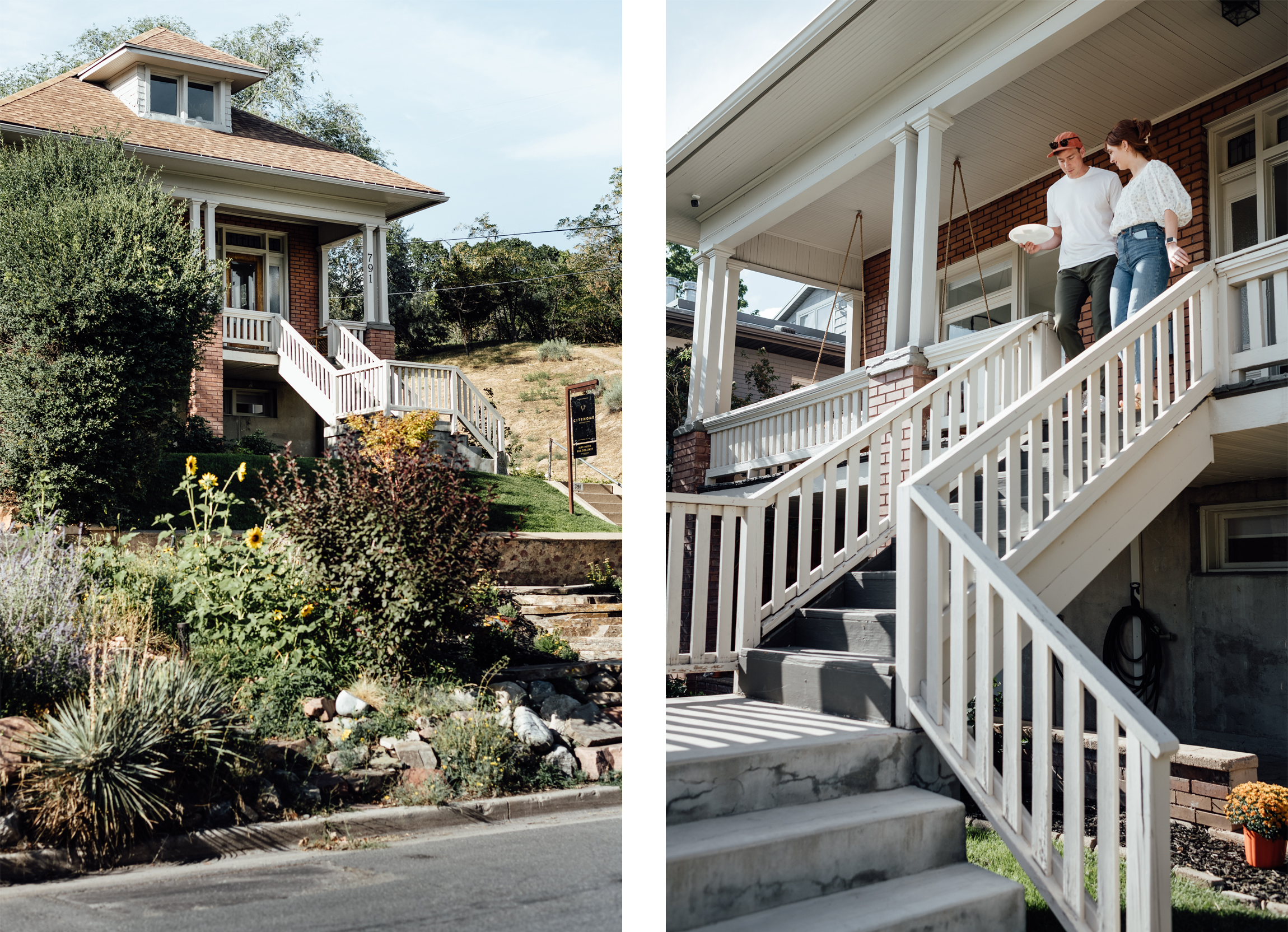
Nestled in the heart of the Avenues, 791 E 9th Ave is a piece of history meticulously recreated with love and a keen eye for investment potential. Built in 1906, this property has been transformed by owners Timothy and Katerra into a captivating blend of personal sanctuary and investment gem. Its notable feature is its remarkable versatility boosted by an added mother-in-law apartment.
The overall position of 791 sits just perfectly for breathtaking views of the city and surrounding natural beauty, making it a standout in the neighborhood.

During the nightly rental boom, it gained a reputation as one of the most coveted places to stay in the area, consistently delivering impressive returns. However, what truly sets it apart is the love baked into every detail of its renovation. Preservation of its historical charm was paramount.
Original architectural details, from ornate hardware to hardwood floors, have been beautifully restored, offering timeless charm coupled with modern comforts. Within such a space living comfortably makes an obvious statement. Sometimes the best days are spent at home, in your own neighborhood, and with such a location as this, we can imagine even an investor may change their mind and make this place home, even if just for a night. This is the chance to be part of a legacy—a home nurtured through the years.
For those seeking a property rich in history, modern comforts, and exceptional investment potential, 791 is a rare gem awaiting discovery.
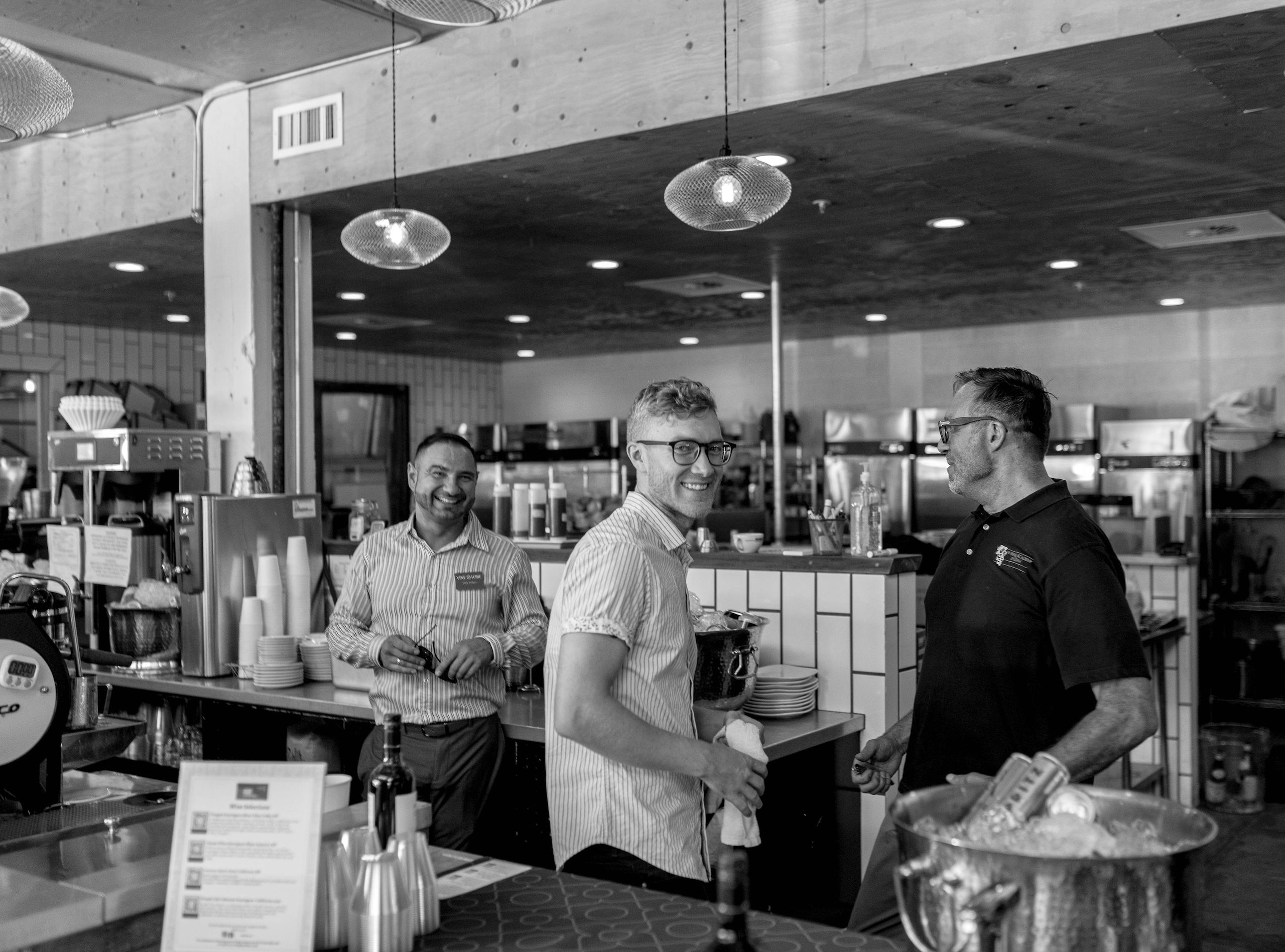
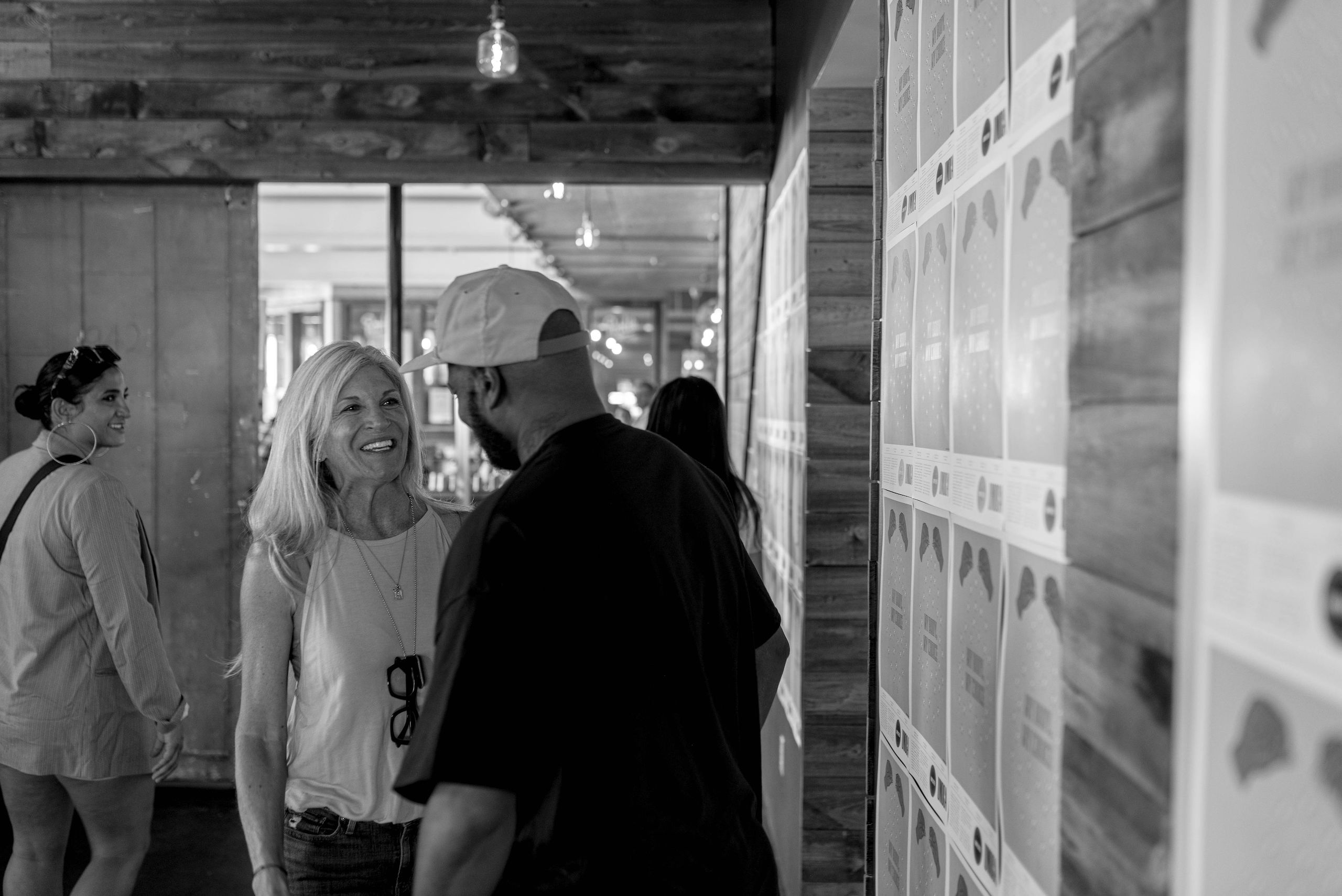
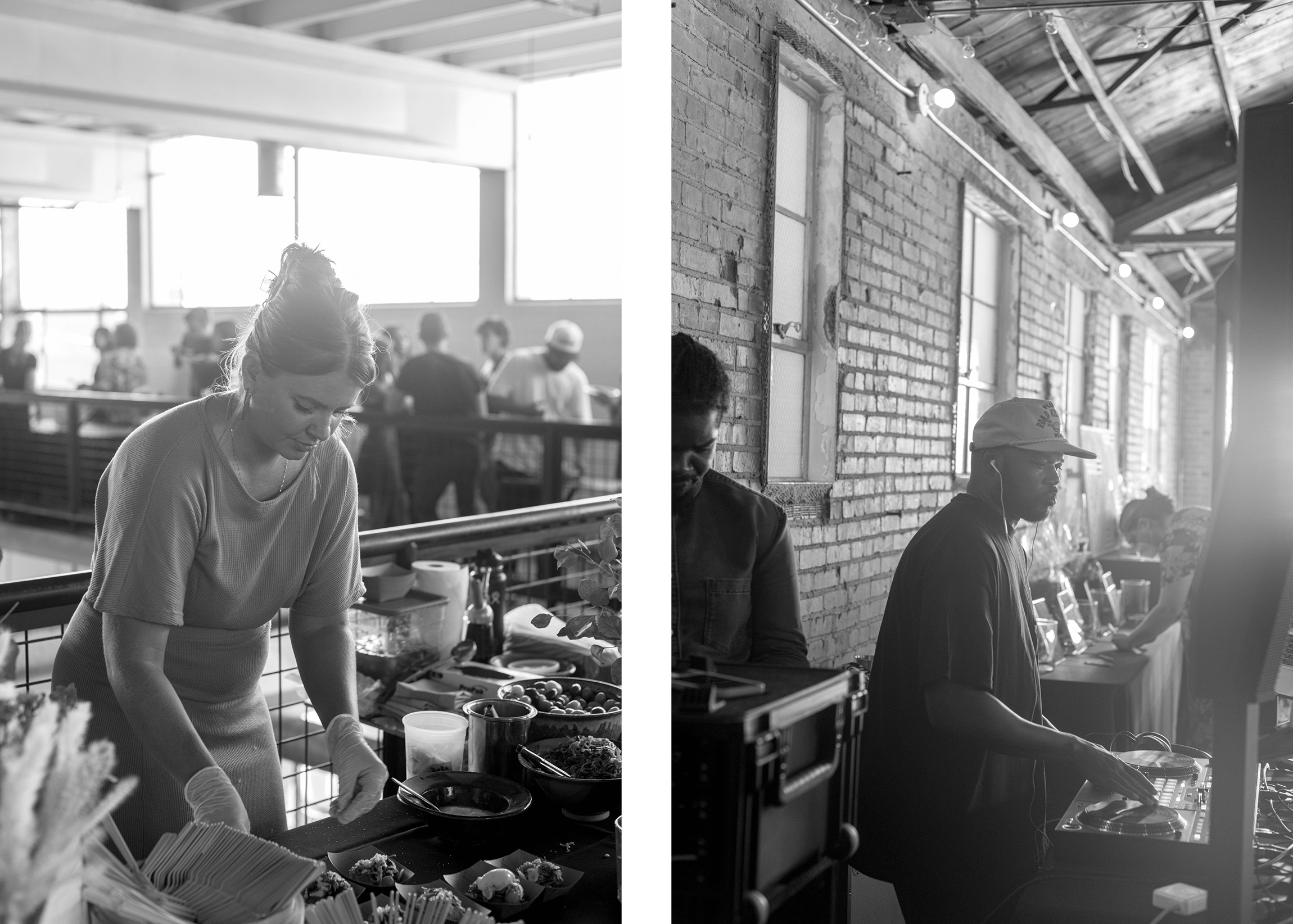
Join us and 25 of SLC’s favorite local restaurants and vendors for Food Fight 2.0
A night of good food, music and great company, in support of reproductive rights for all. Last year we were able to raise over $40,000 and this year we’re looking for your support to help us beat that number.
We love our little city and all of the humans that make it such a great place to call home, which is why we’re so passionate about speaking up and speaking out when the moment calls. We decided to channel our frustration around Utahns being stripped of fundamental rights and use it for good. It turns out, our city is filled with like-minded business owners and community members that were eager to get involved.
This year we’re excited to partner with restaurants and vendors that include Takashi, Central 9th Market, Urban Hill, Pago On Main, The Pearl, Pizza Nono, Stanza, Café Trio and so many more, making for a fun night of market style dining. Each restaurant will have a delicious dish for you to try, as well as other members of our local culinary and beverage community offering up bites, pouring drinks and of course we’ll have live music for anyone looking to cut a rug in the name of resistance. Additionally, there will be some amazing prizes up for grabs that have been generously donated from local businesses and community members. (Did we mention we love our city?) The best part of it all? Every penny raised will go directly to Planned Parenthood Utah and The Utah Abortion Fund.
Come for the food and stay for the good fight!
Sunday 6.11.23 6-9pm | Publik 975 S. West Temple | $25 Entry Fee
Can’t make it but still want to get involved? Donate here!
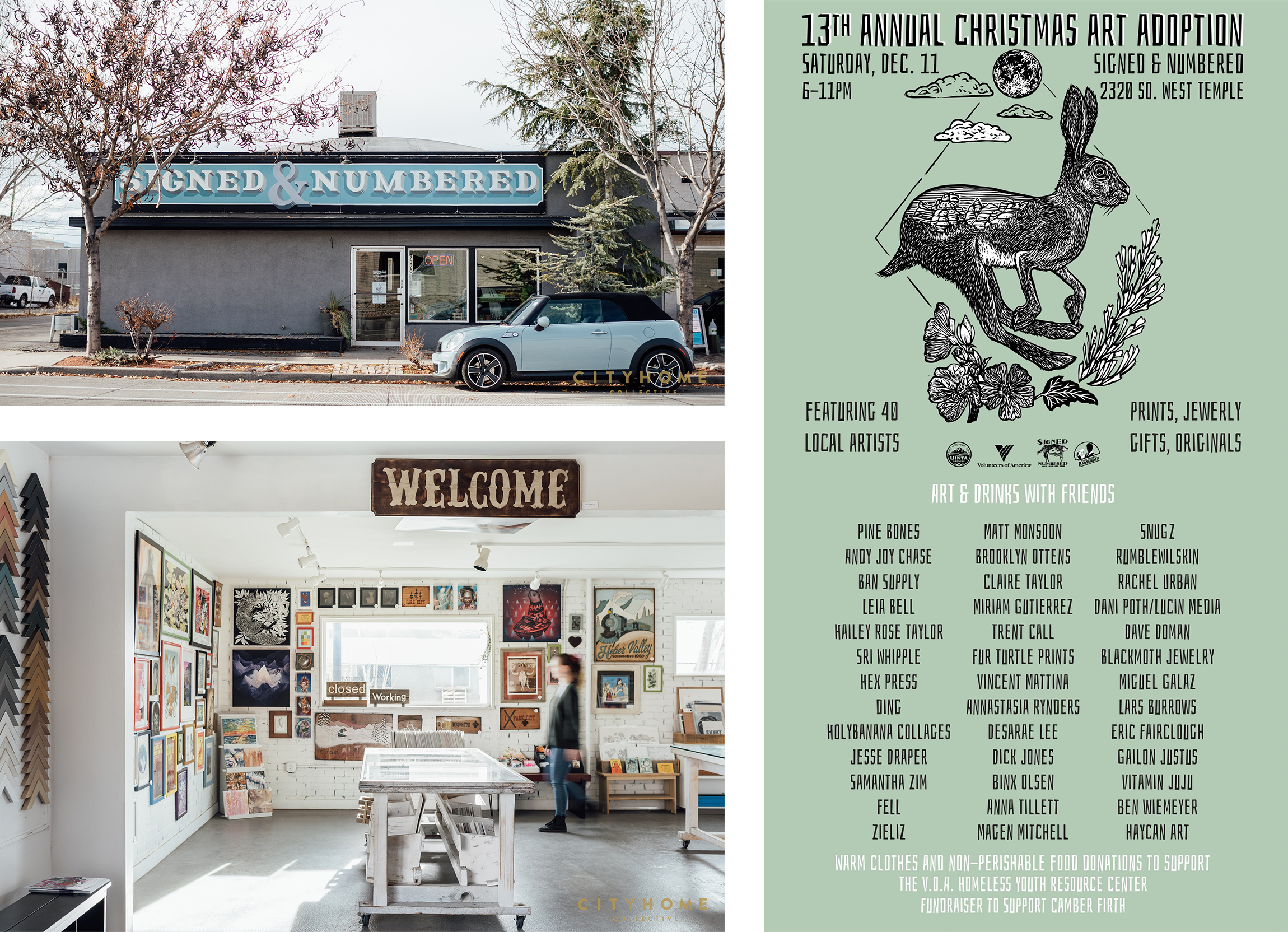
Date: Saturday, December 11th 2021
Time: 6:00pm – 11:00pm
Location: Signed & Numbered, 2320 S. West Temple, Salt Lake City
Art Adoption is on its 13th year of supporting artists and gathering our beloved community. What started in a garage is now a SLC-holiday staple. This year’s event is featuring 40 local artists. Feast your eyes on prints, jewelry, holiday cards, frames and more. You’re bound to find something for that special someone – yes you. In addition to finding art a happy home, collaborations are made with local nonprofits. Join us Saturday night in the spirit of giving.
Whether it’s a historic Victorian, modern remodel, or an entirely new build, there’s a history behind every home–reasons past for purchasing or selling, stories of those who lived/laughed/loved inside and made it their own. In this case, a substantial piece of ranching/farming land owned by one family for generations became an integral part of the concept and creation of a beautiful cabin on the east shore of Bear Lake. The owners worked with one of our favorite local teams, Lloyd Architects, to determine how they could build something that felt respectful to the sentimental history of the land, but also blended beautifully with its surroundings. We decided that the story of how it all came together would best be told by owner Mary Nebeker Larson…
Every home has a story.
“The East Side of Bear Lake has indeed been a place of worship for the Nebeker families. In the 1870s, John Nebeker, of Swiss ancestry, was sent by Brigham Young to be an advisor to the LDS Community in the Bear Lake Valley. He faithfully went, settled in Laketown, and raised his family there. Because of his interest in horticulture, John was an important part of early farming and fruit growing in this part of Utah. Over the generations, his family worked the land by raising cattle and farming. I am a part of sixth generation Nebekers to own and take care of a small section of the property, still being used primarily for farming and ranching. Recreation on the Lake was not part of my ancestors’ lives. However, today Bear Lake is an ideal spot for recreation and renewal: bikers, hikers, campers, water-lovers, hunters, fishers, skiers, and of course, horticulturists populate every part of the lake.
Having a Bear Lake cabin on the east side of Bear Lake—the farming, ranching, rattlesnake side—has been a lifelong dream of mine. We inherited Nebeker property on the North Eden delta, and while still farming the bulk of the property, my husband and I wanted to build a beach/mountain cabin on our land. The inspiration for our cabin was influenced by my husband’s father, Reed Larson, who designed and built a cabin with windows lakeside and a low profile. We contacted architect and friend Warren Lloyd, of Lloyd Architects, Salt Lake City, to show him the property. His introduction to the lake was on a cold, rainy, mosquito-infested day. Deer, cattle, badgers, and coyotes inhabit this space; people do not. I couldn’t imagine what Warren would think about designing a cabin on this desolate, remote piece of property. After giving him some time to digest the surroundings, he said, “I love it.” So, he and his design team got right to work. Warren understood our sentimental and historic connection to the land and quickly sketched out a drawing for the cabin that would work. Smart Bros. Construction was the only team we and Warren considered.

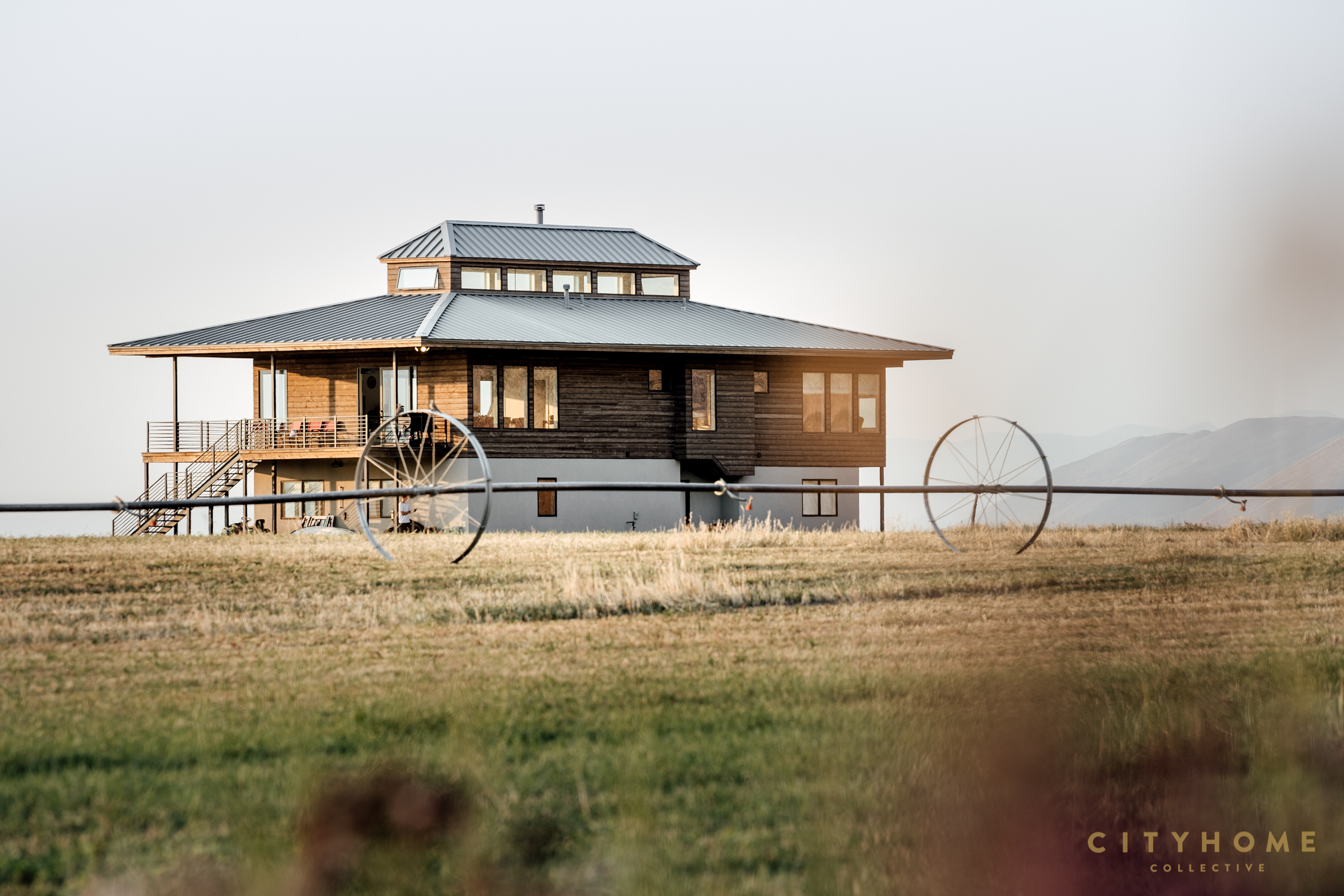
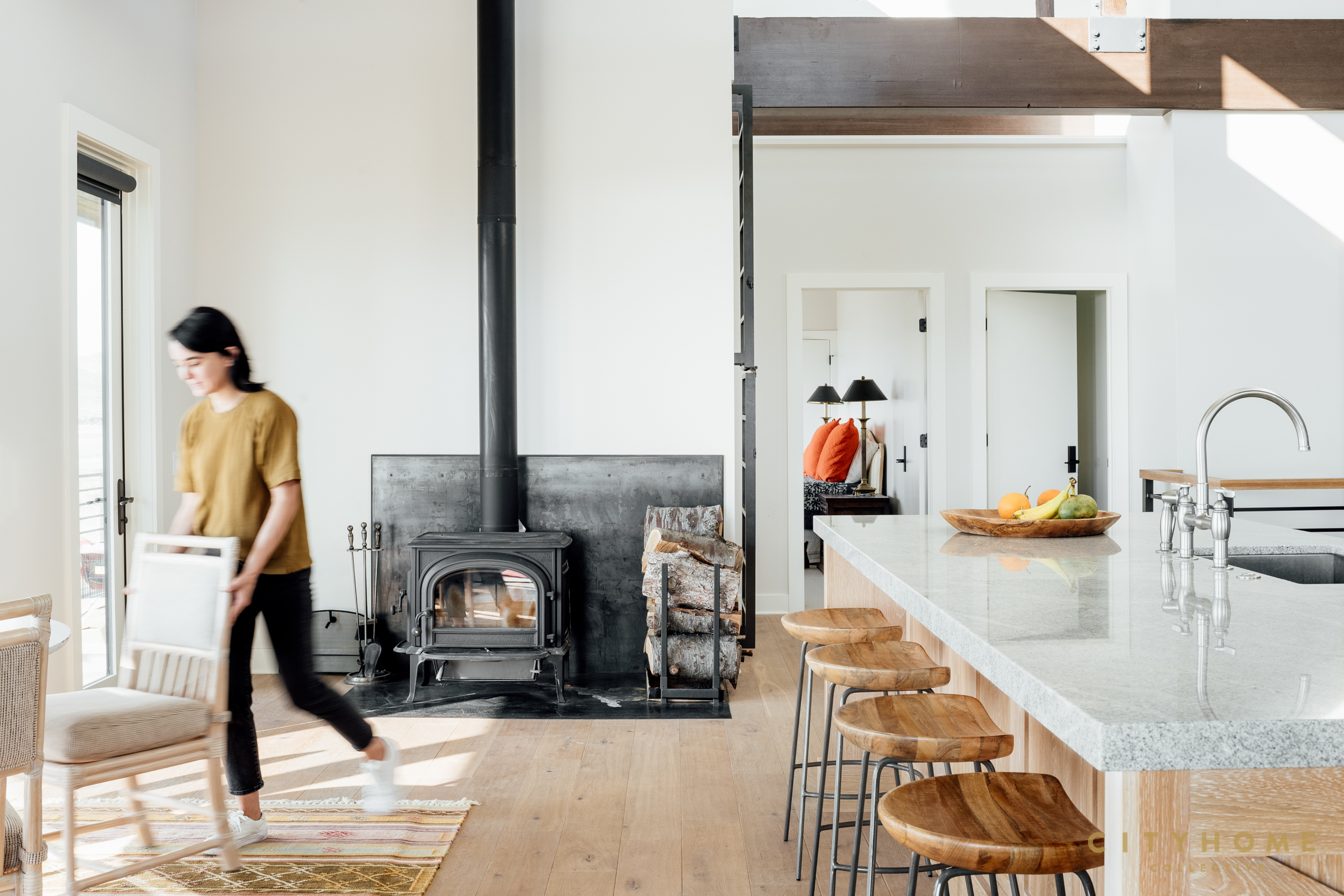
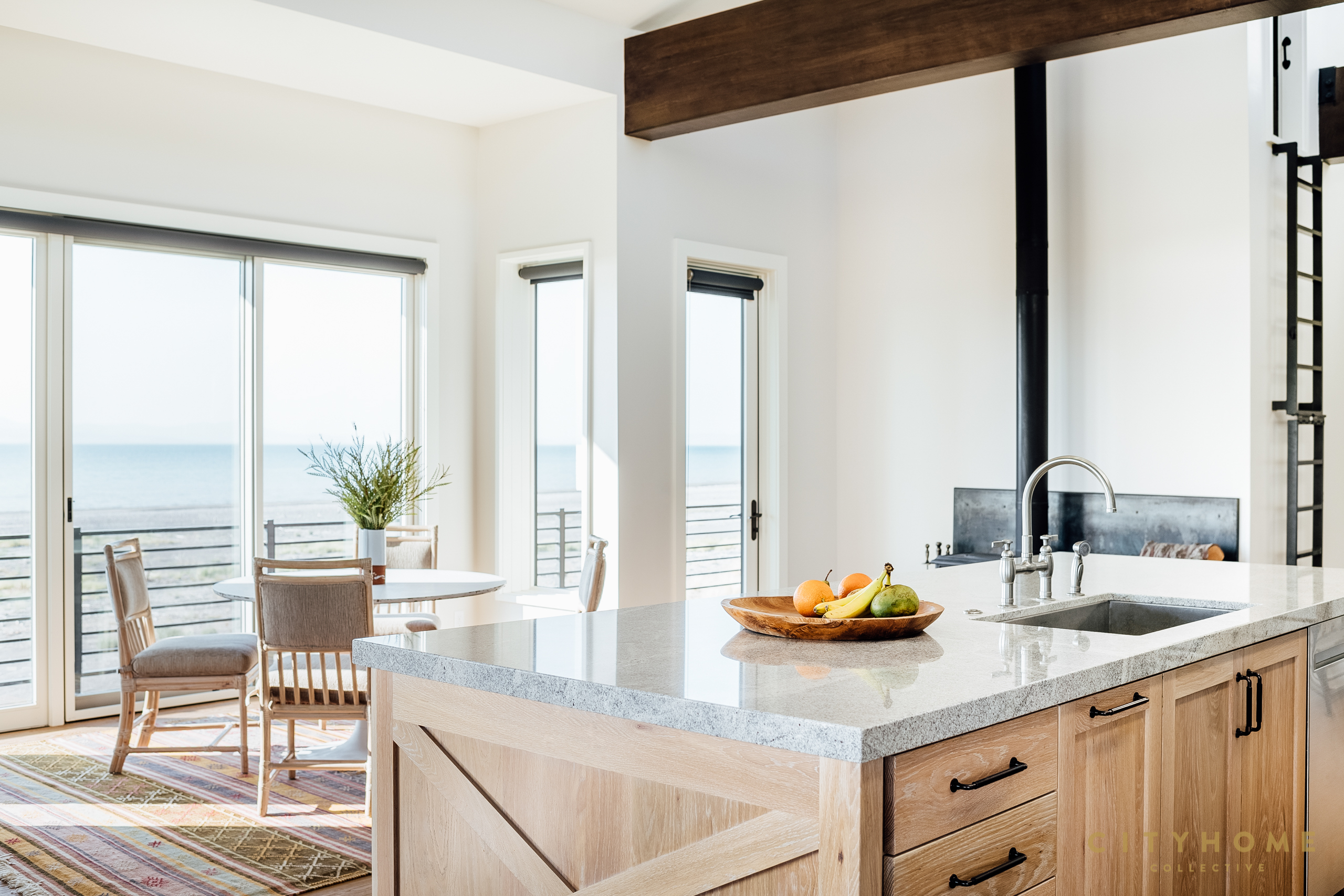
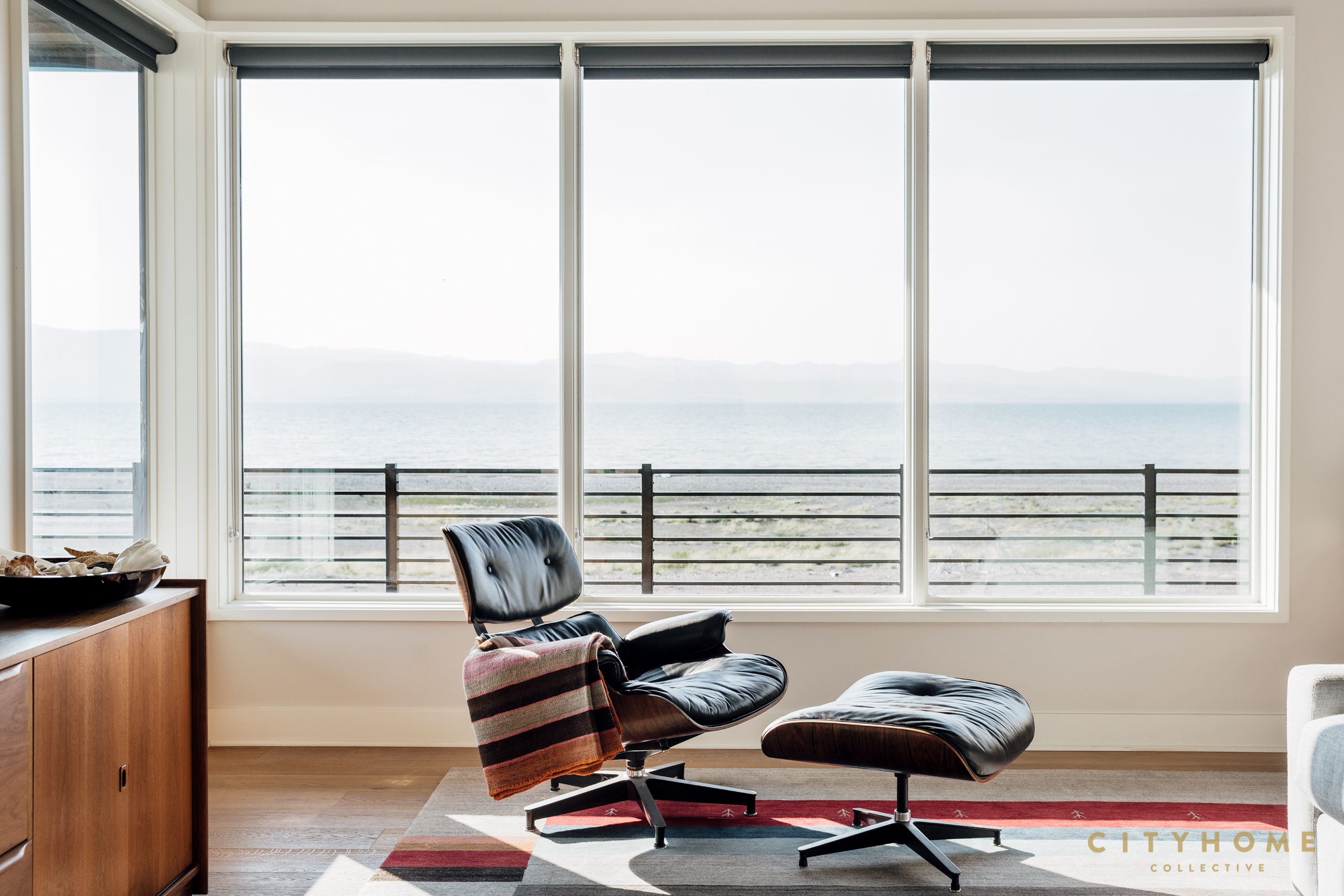
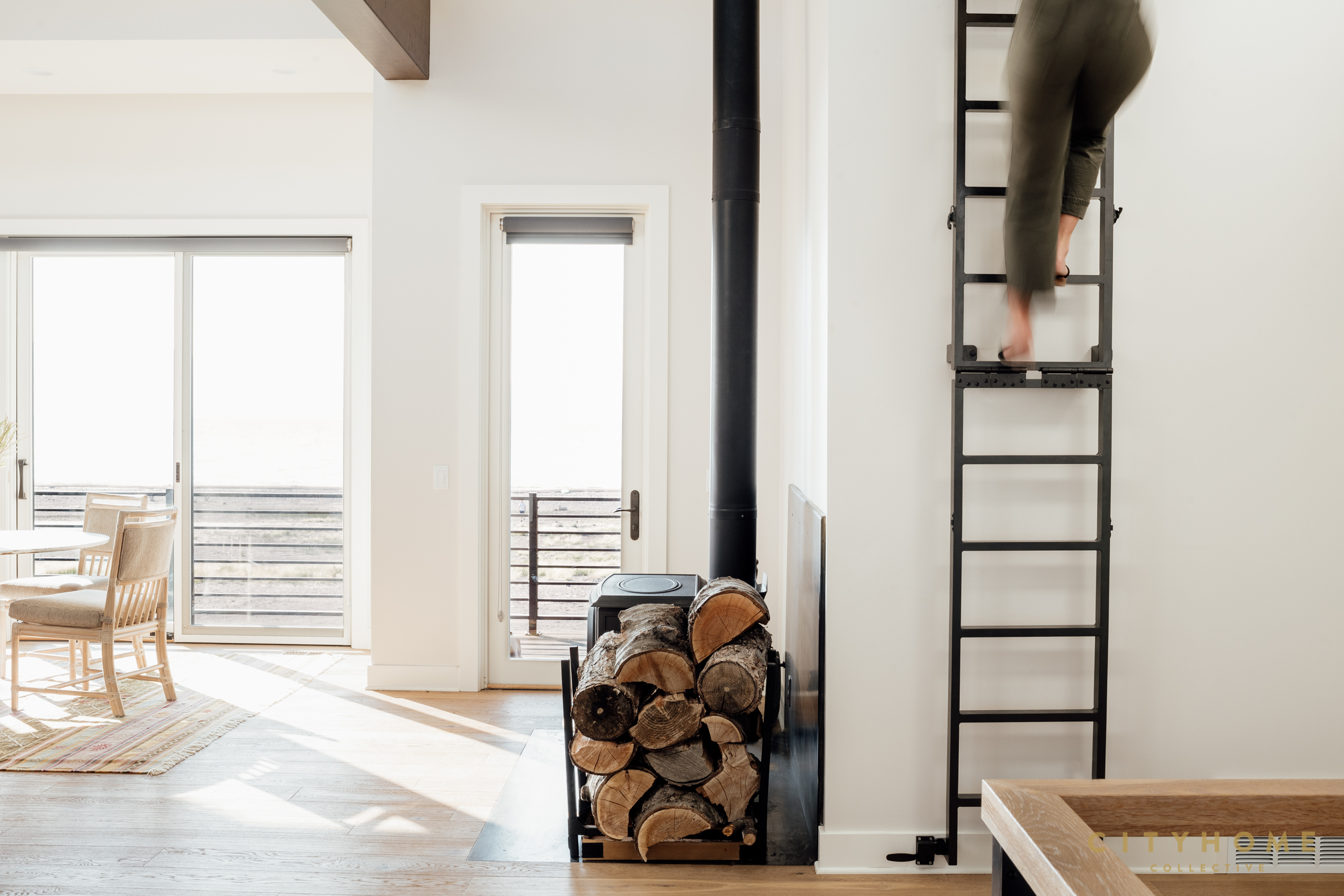
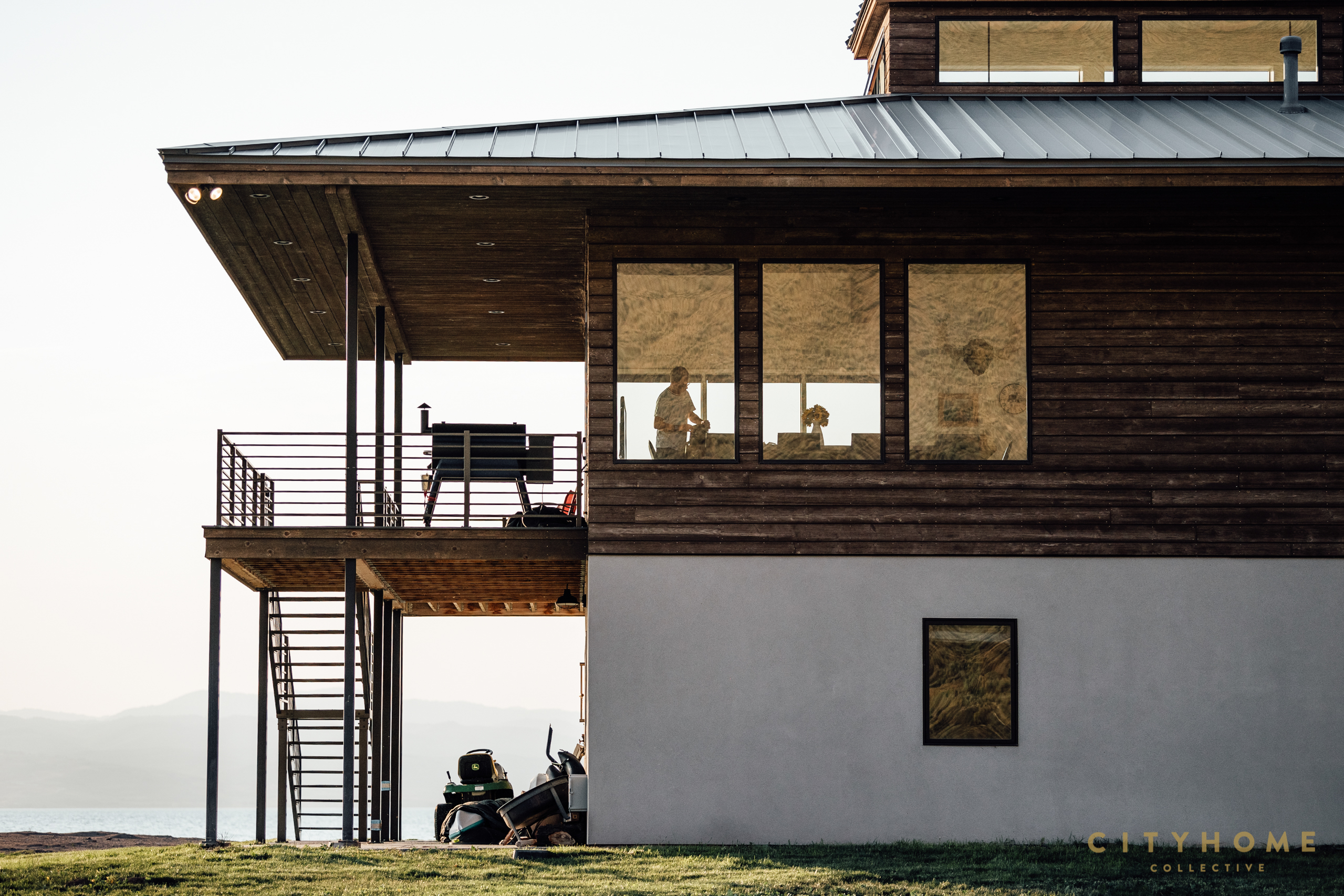
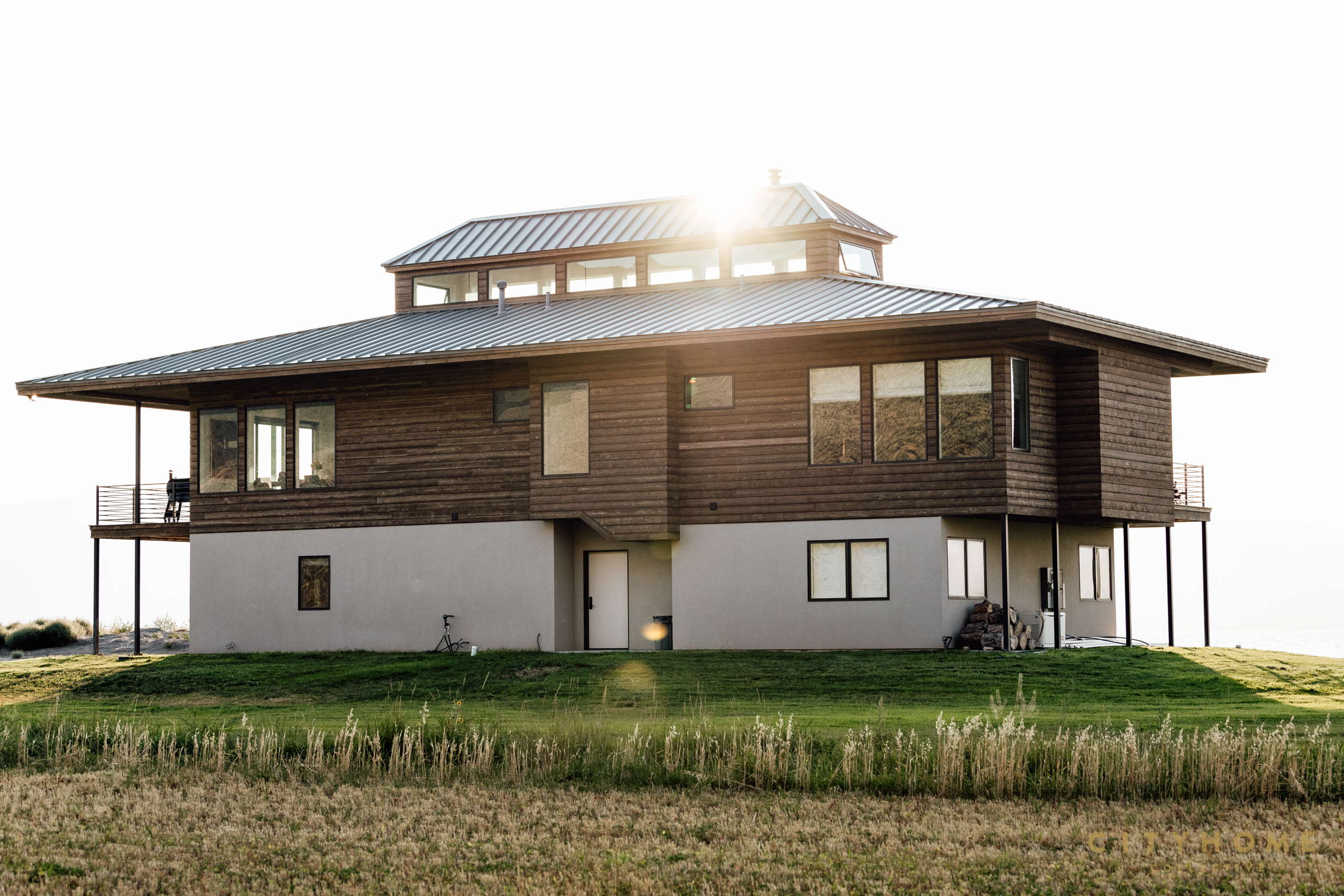
A cabin set on the uninhabited land on the East Side of Bear Lake posed a unique set of challenges. Warren Lloyd needed to design a home that fit with farmland behind and lake in front. His vision came together as a comfortable, horizontal beach house with ranching and farming influences. We wanted to maximize the space without creating something that detracted from the wild beauty of the land. From the lake, the grey steel roof mimics the shale-covered mountains behind it, and the neutral brown siding harmonizes with the sandy landscape. The two-story cabin with a cupola, which protects from sun exposure, is set back from the shore, maximizing beautiful views. I can be in the master bathroom, fixing my hair, and in the mirror of the perfectly placed window, I see the lake in the morning and the lights of Fish Haven at night.
“Every bedroom has a view of the sapphire lake or the green farmland and mountains.”
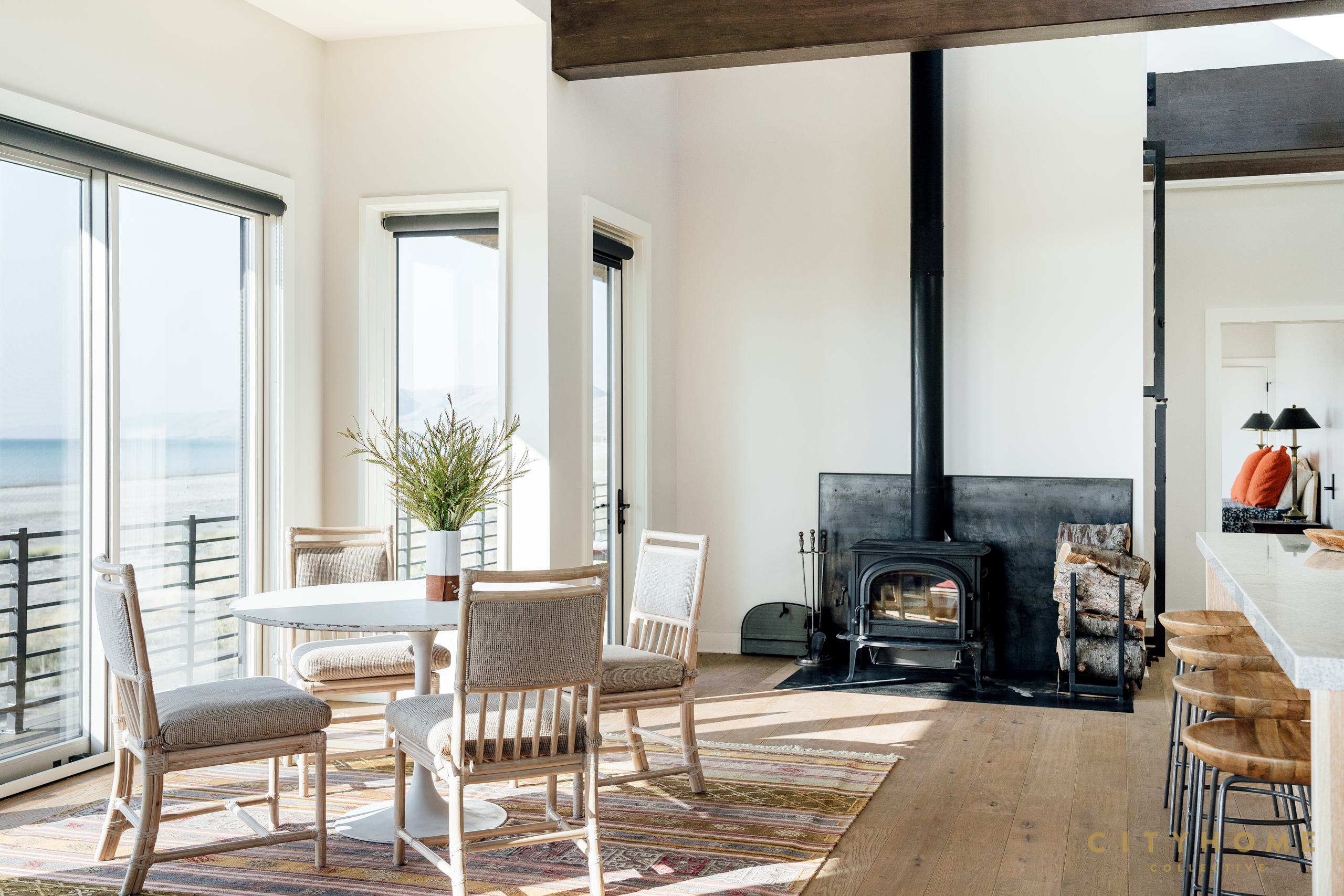
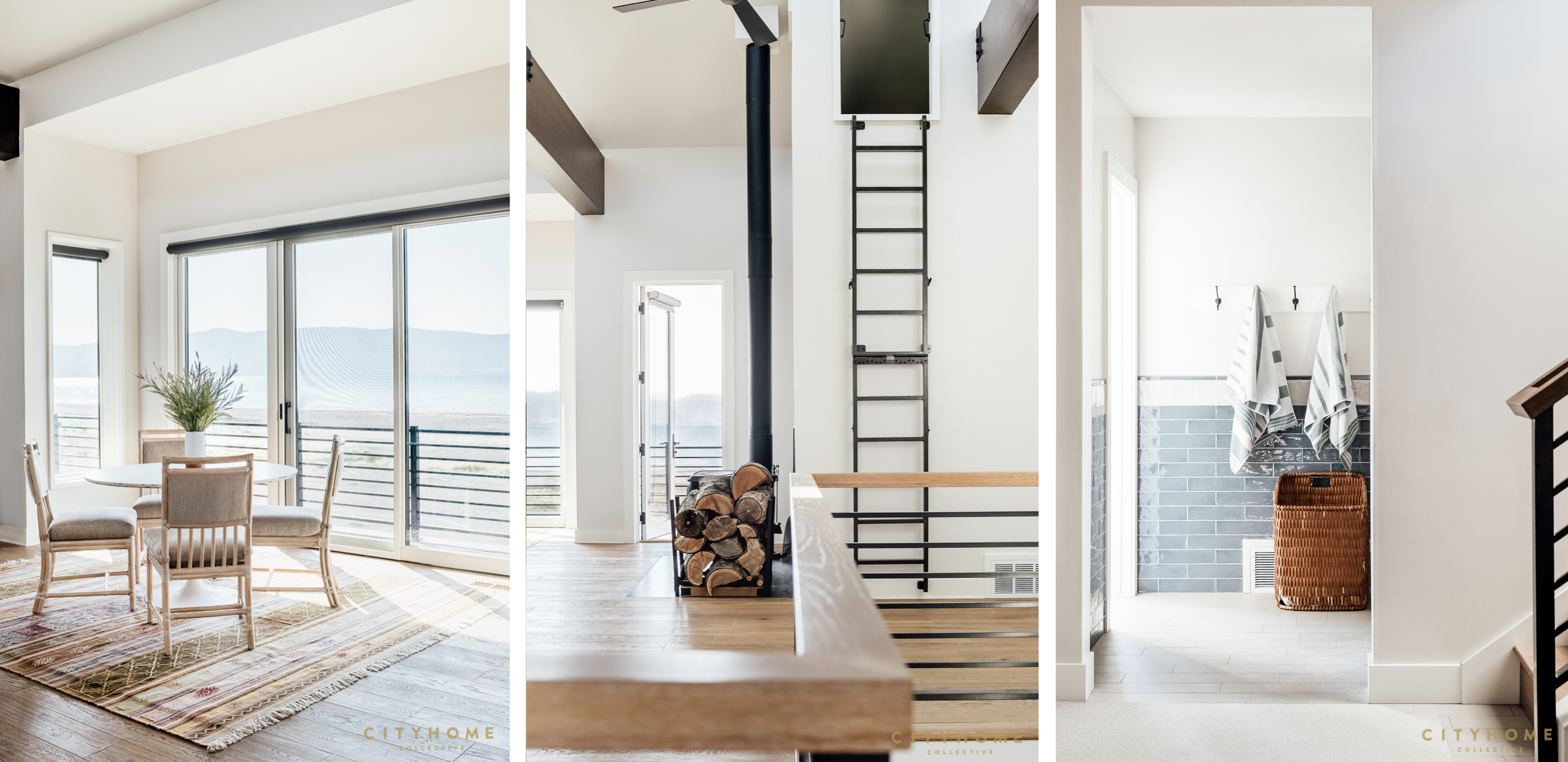
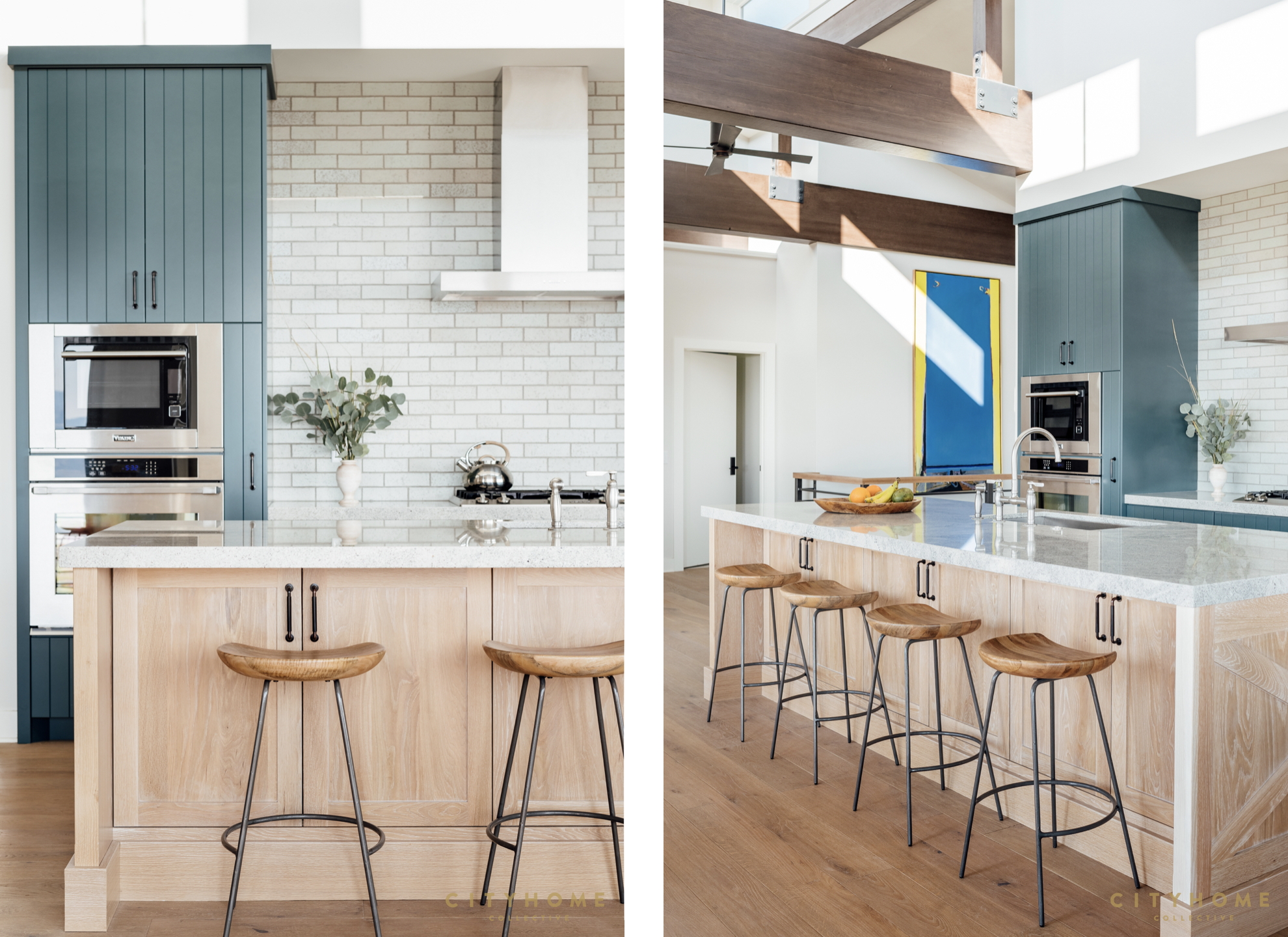
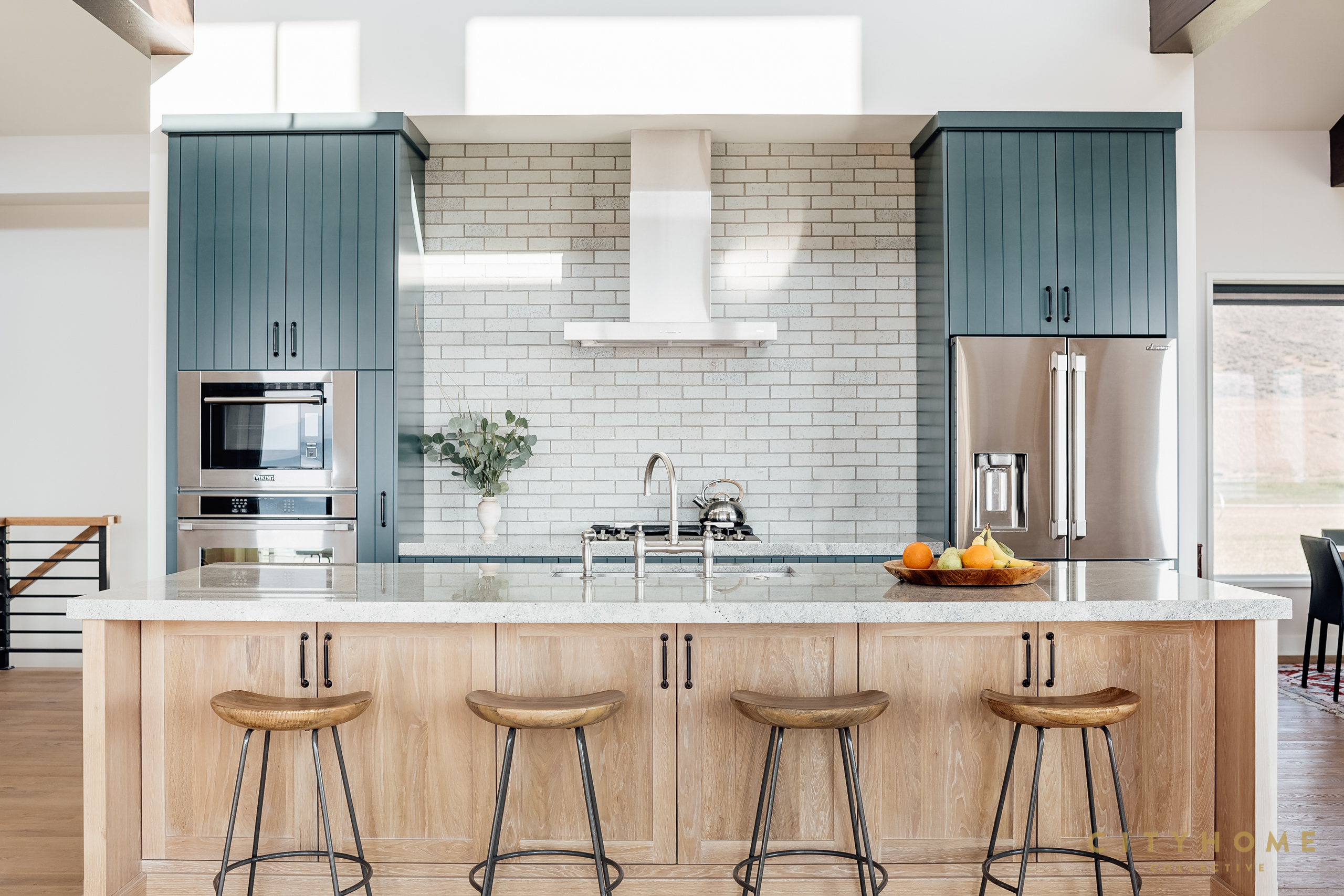
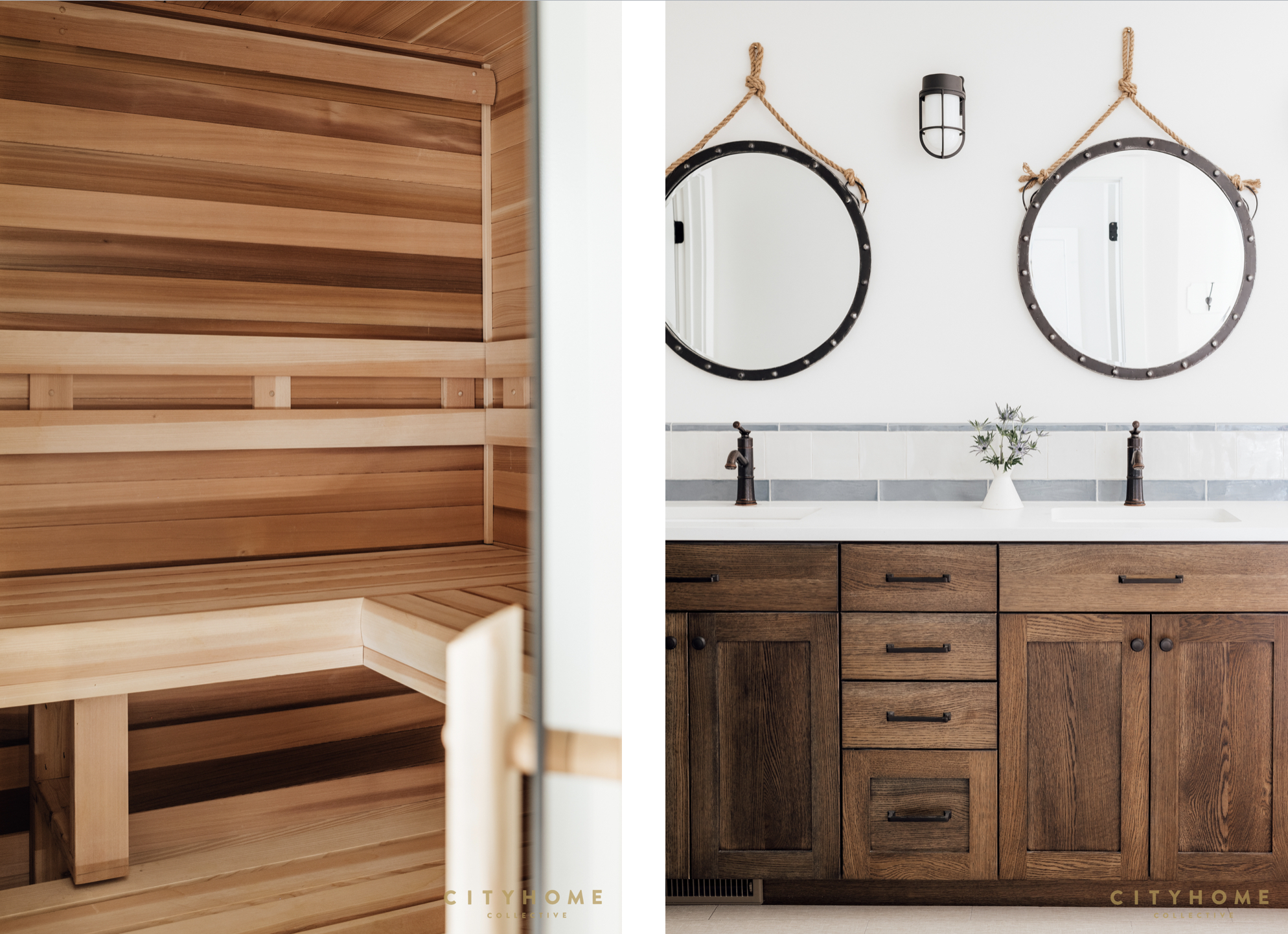
My mother suggested that I collect rocks from the shoreline to create the cabin’s color palette. Our interior designer, Jessica Bender, of Boxstreet Design, used the colors and textures of the rocks I collected for the interior design. Because Bear Lake is such unusual color of blue—truly turquoise—Jessica used softer blues as part of the design. She used a darker blue on the upper kitchen cabinets and white stained oak on the lower cabinets to coordinate with the white oak floor. The kitchen backsplash is a rough-hewn, pale blue tile with copper grout. It is the perfect complement to the lake. The bathroom tiles are different designs and patterns in blues, whites, and beiges, and all coordinate beautifully. She also designed all exterior lights to point down, decreasing light pollution. On clear nights we can see the Milky Way. Jessica’s design elements were sophisticated, yet comfortable; every space speaks of her sense of art and design.
The cabin is designed to have a view from every bedroom—whether it be lake or farmland. And as Bear Lake is known for its blue and clean water, the windows take advantage of that aquamarine view. My favorite spot in the cabin is sitting in the main room, whether day or night, looking up at the cupola’s windows. I can watch the clouds float by or see the stars at night through those open spaces.
Fall is finally here, and while we’re thrilled with the drop in temperature, we’ll also take these temperate, sunshine-filled days for as long as Mother Nature allows. If you’re looking to get outside and bask in the Vitamin D while you still can, we’ve compiled a walking tour of some of our favorite buildings on one of our all-time favorite streets—South Temple. Let’s take a walk, shall we?
To see a map of this tour, click here.

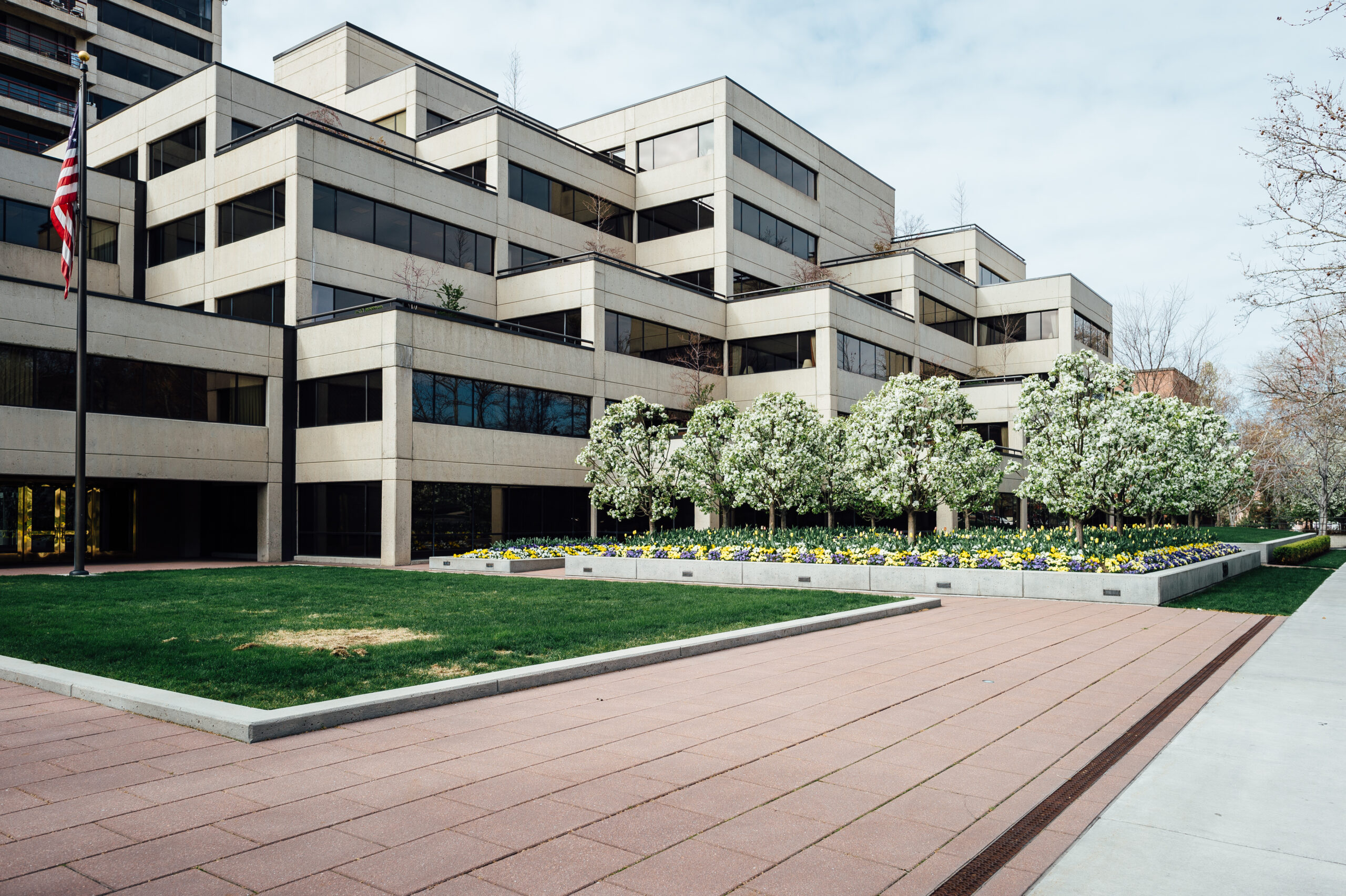
Enos Wall Mansion (left), Governor’s Plaza (right)
ALTA CLUB Frederick Albert Hale designed this stunner, finished in 1898 and perched on the corner of South Temple and State Street, in Italian Renaissance style. There’s loads of history to be found inside, but the exterior is just as stunning. (100 E S Temple)
BIG-O TIRES One of Downtown’s most unexpectedly sweet structures, this Big-O—on the corner of South Temple and 200 East—sports some of the dreamiest mid-century arches in the city. (178 E S Temple)
CATHEDRAL OF THE MADELEINE Constructed between 1900 and 1909 this Neo-Romanesque masterpiece is one of the most stunning structures in the city. Admire from the outside but be sure to head inside for even more architectural goodness. (331 E S Temple)
IBM BUILDING NO.1 Completed in 1960 and home to IBM’s first Utah office, this mid-century structure is most notable for the undulating white arches that preface it. (348 E S Temple)
FIRST PRESBYTERIAN CHURCH Just up the street from the Cathedral of the Madeleine, this structure—composed of red sandstone and designed by architect Walter Ware—is a staggering example of the Scottish Gothic Revival style. (12 C St E)
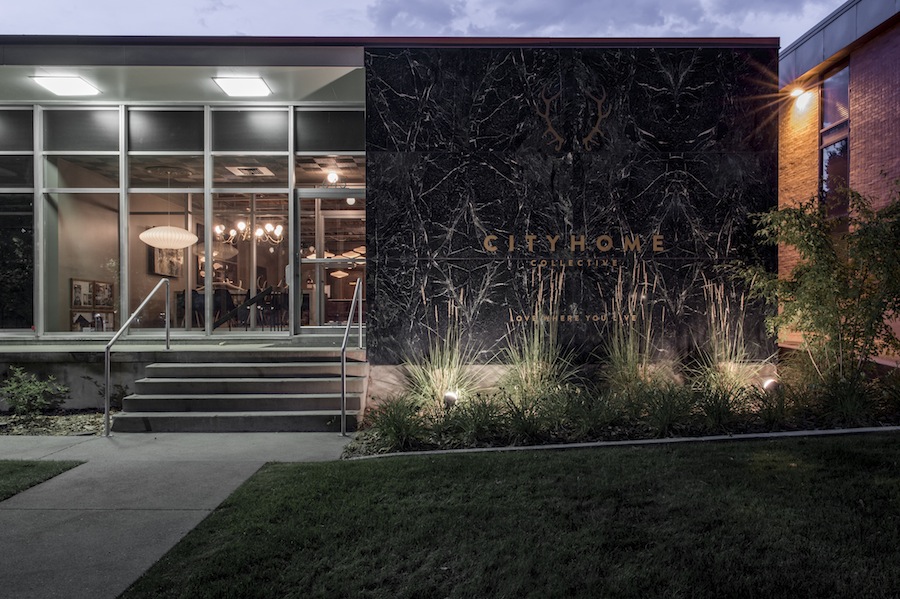
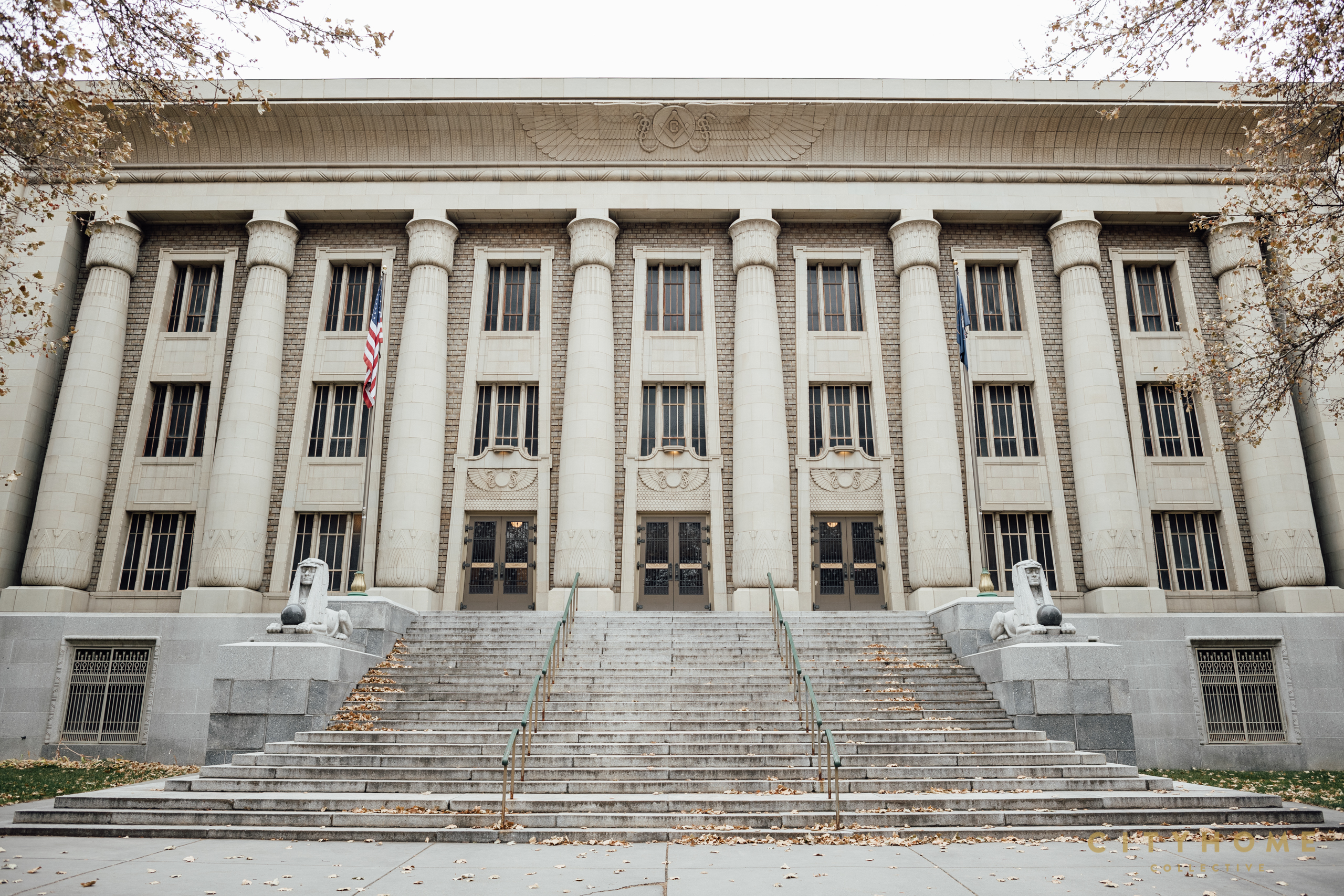
cityhomeCOLLECTIVE HQ (left), Masonic Temple (right)
IBM BUILDING NO.2 The most notably brutalist building on the block, IBM #2 is an austere concrete structure that boasts plenty in the way of simple-but-elegant details. (420 E S Temple)
MRS. BACKER’S PASTRY SHOP By now you surely need a refuel and/or warm-up, and this adorable SLC mainstay (since 1941!) is not only home to our favorite neon sign in the valley, but a mean gingersnap, as well. You’d do well to pop in for a half-dozen. Thank us later. (434 E S Temple)
STEINER AMERICAN BUILDING Rather inconspicuous at first glance, Steiner American Building (completed in 1967) is actually rife with Wrightian architectural elements on par with some of the city’s best mid-century structures. This one’s worth stopping and admiring–its details don’t disappoint. (505 E S Temple)
GOVERNOR’S PLAZA Governor’s Plaza houses some truly excellent flats, but isn’t too shabby itself, aesthetically speaking. Completed in 1983, its tiered concrete silhouette offers a welcome contrast to some of the street’s more traditional structures. (560 E S Temple)
UTAH GOVERNOR’S MANSION (Thomas and Jennie Kearns Mansion) Completed in 1902, this Chateau-esque manse (designed by Carl M. Neuhausen), underwent a significant renovation after a fire in 1993 destroyed much of the original structure. Pro tip: Come December, the exterior’s holiday lights display here are top-notch. (603 E S Temple)
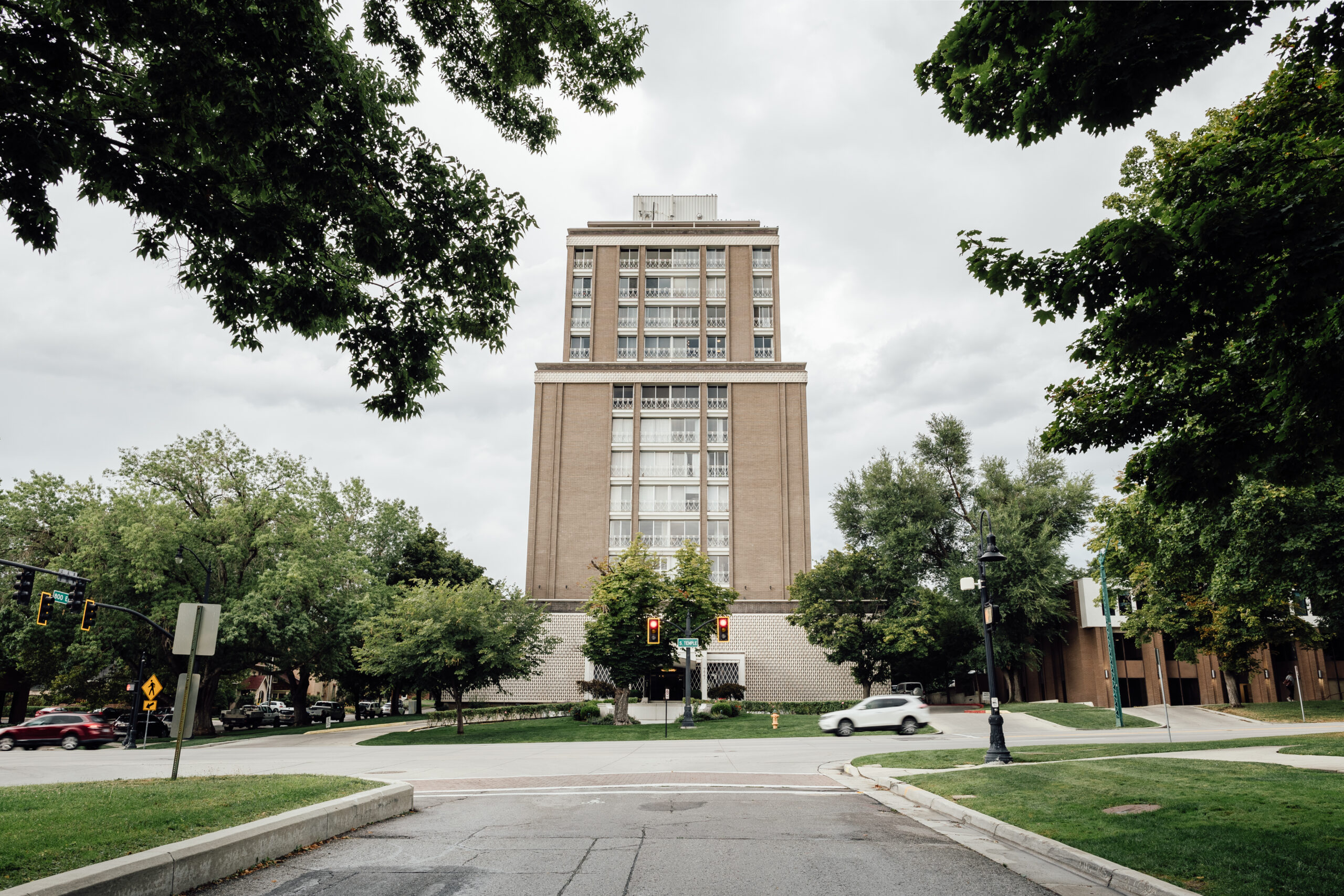
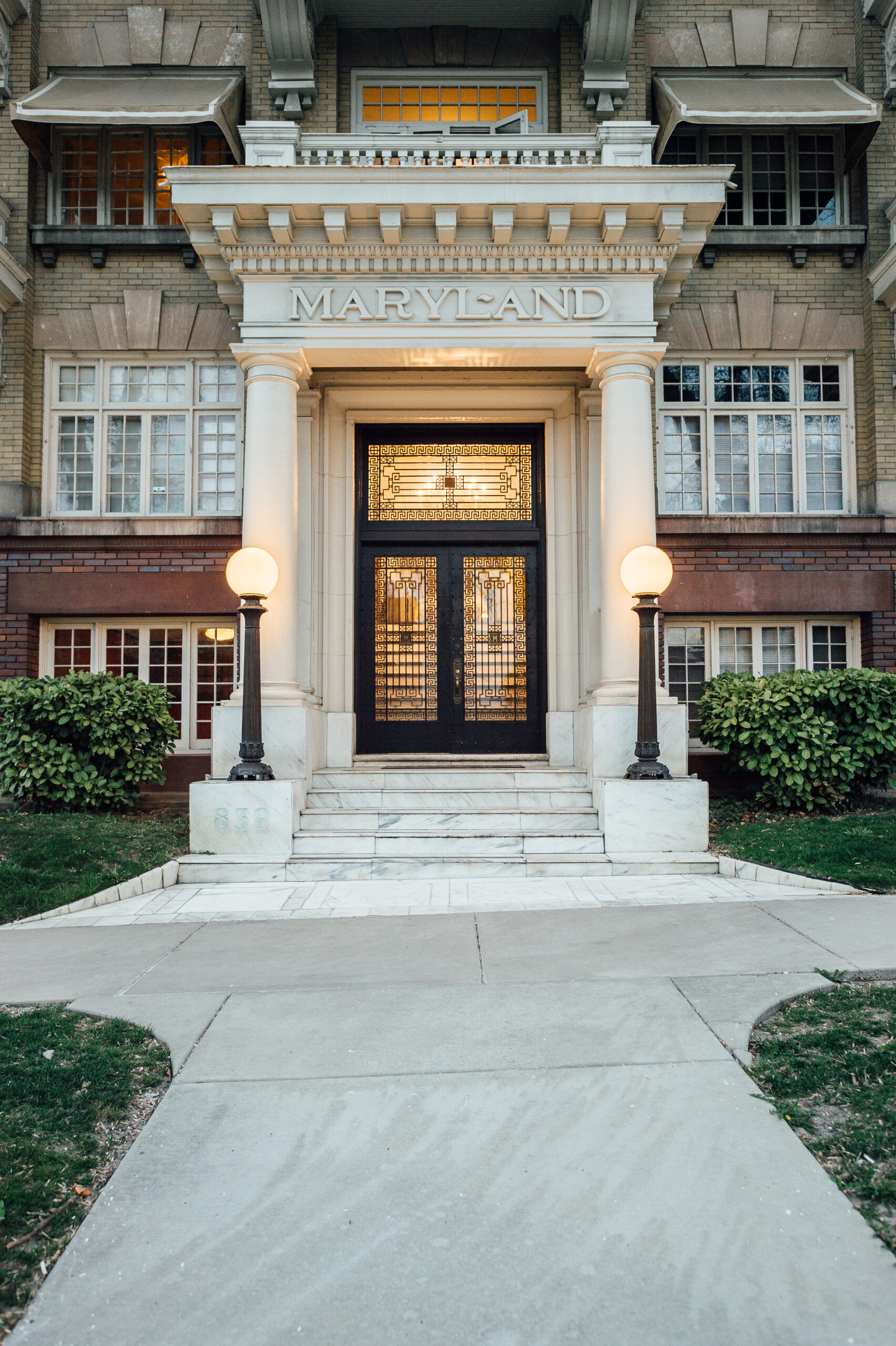
Bonneville Tower (left), The Maryland Building (right)
SALT LAKE MASONIC TEMPLE The lore surrounding this building is compelling on its own, but the actual design of the structure is plenty intriguing, as well. A prime example of Egyptian Revival architecture, this spot has served as a striking addition to South Temple since its completion in 1927. (650 E S Temple)
CITYHOMECOLLECTIVE Our very own HQ, this spot is understandably near and dear to our hearts. That said, coming from a quasi-objective perspective, we think that the marble and glass facade holds plenty of design weight no matter the building’s occupants. Be sure to pop in for a quick hello should you find yourself passing by. (645 E S Temple)
BONNEVILLE TOWER A pristine mid-century modern achievement, the Bonneville was designed by M.E. Harris, Jr. and completed in 1964. To this day, the building serves as a delightful throwback to some of the 20th century’s most aesthetically inclined times, and the units inside sport views for daaaays…(777 E S Temple)
THE MARYLAND The Neo-Classical style of The Maryland (completed in 1912 and designed by Bernard Mecklenburg) is clear in the exaggerated ornamentation. We’re a bit partial to this building, and in particular the diversity in design of its fab units. (839 E S Temple)
JANE’S HOUSE Built in 1908, this Georgian Revivalist home boasts stunning architecture and equally impressive landscaping. And, if you find yourself lucky enough to enter the home—it often serves as a venue for workshops and retreats—be sure to check out the incredible art collection spread throughout. (1229 E S Temple)
The Mayflower Building (below)
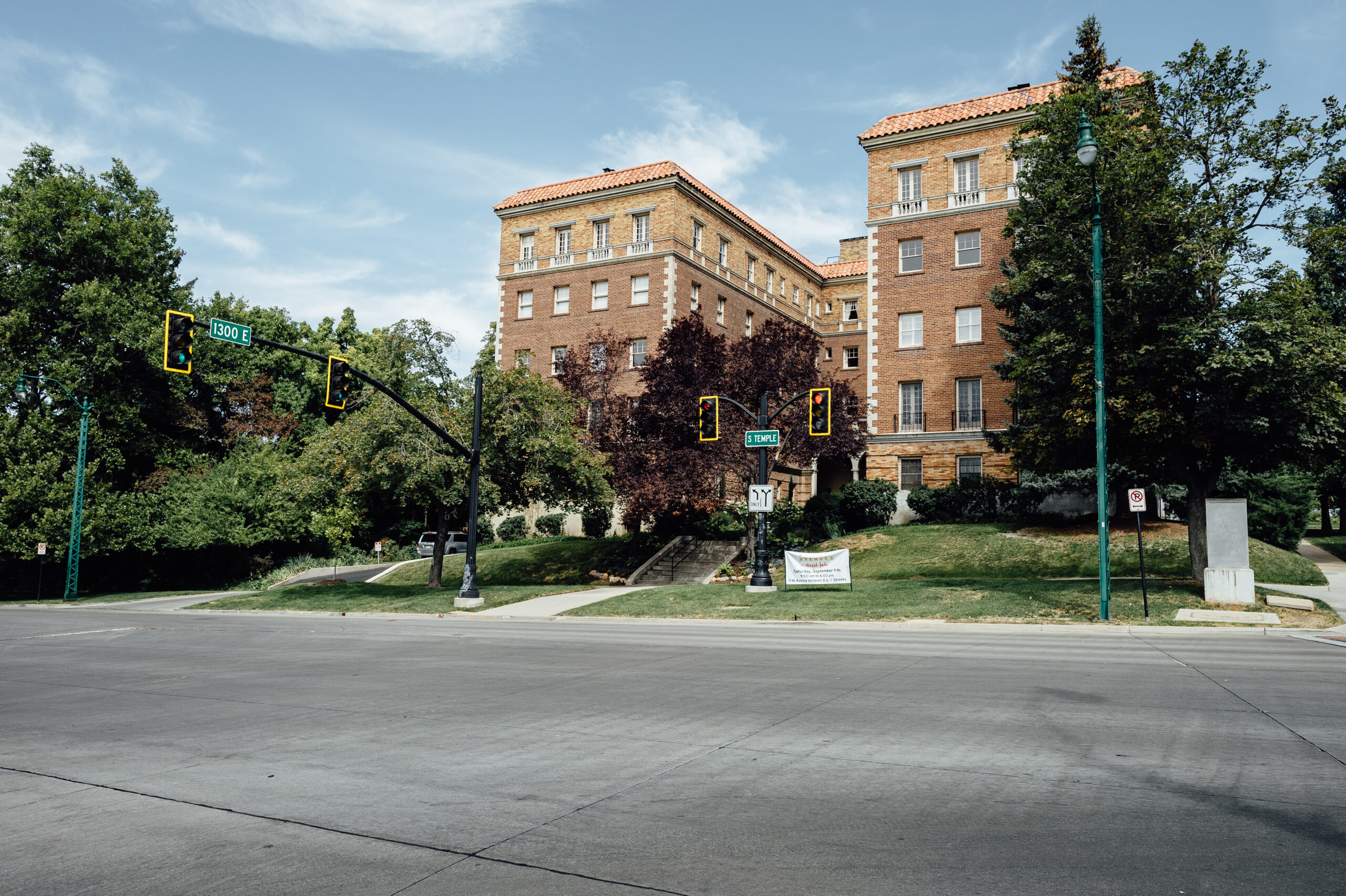
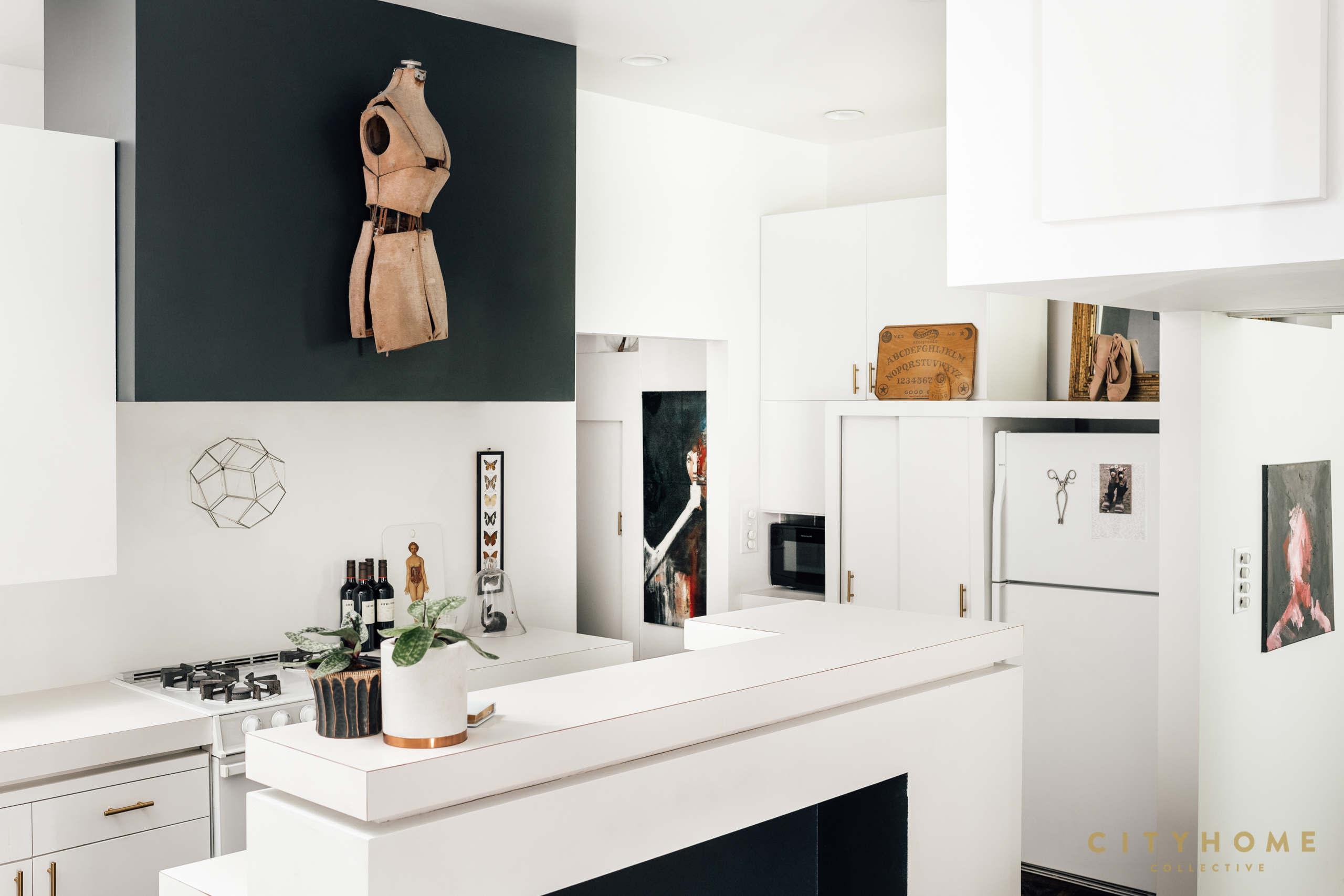
Celebrating the unique character of spaces and the people who inhabit them is one of the things we love best about our COLLECTIVE’s approach to life, living, and doing business. As the pandemic shook up our content creation world with limited opportunities for accessing the spaces of others, we started the Collective Casas series to open the doors wide to the unique abodes of our team members, with full disclosure of all of those curiosities and quirks that make a home, well… feel like home. From adaptively re-used historic storefronts to sprawling mid-mods, lovers of downtown-adjacent SLC living and those appreciating some elbow room in the foothills. It’s made us fall in love with and appreciate our Salty City and her environs all over again from the perspective of our own doorsteps.
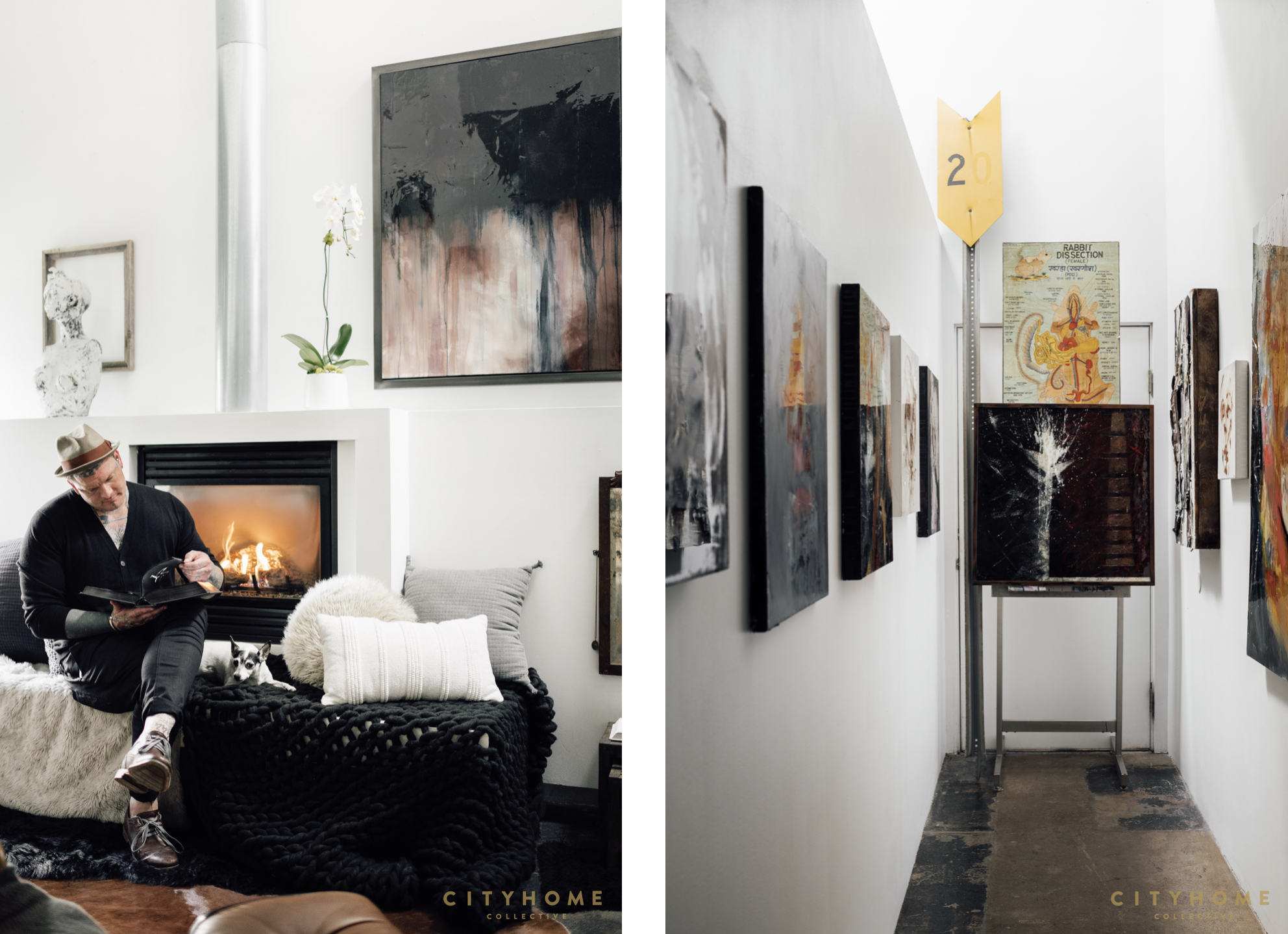
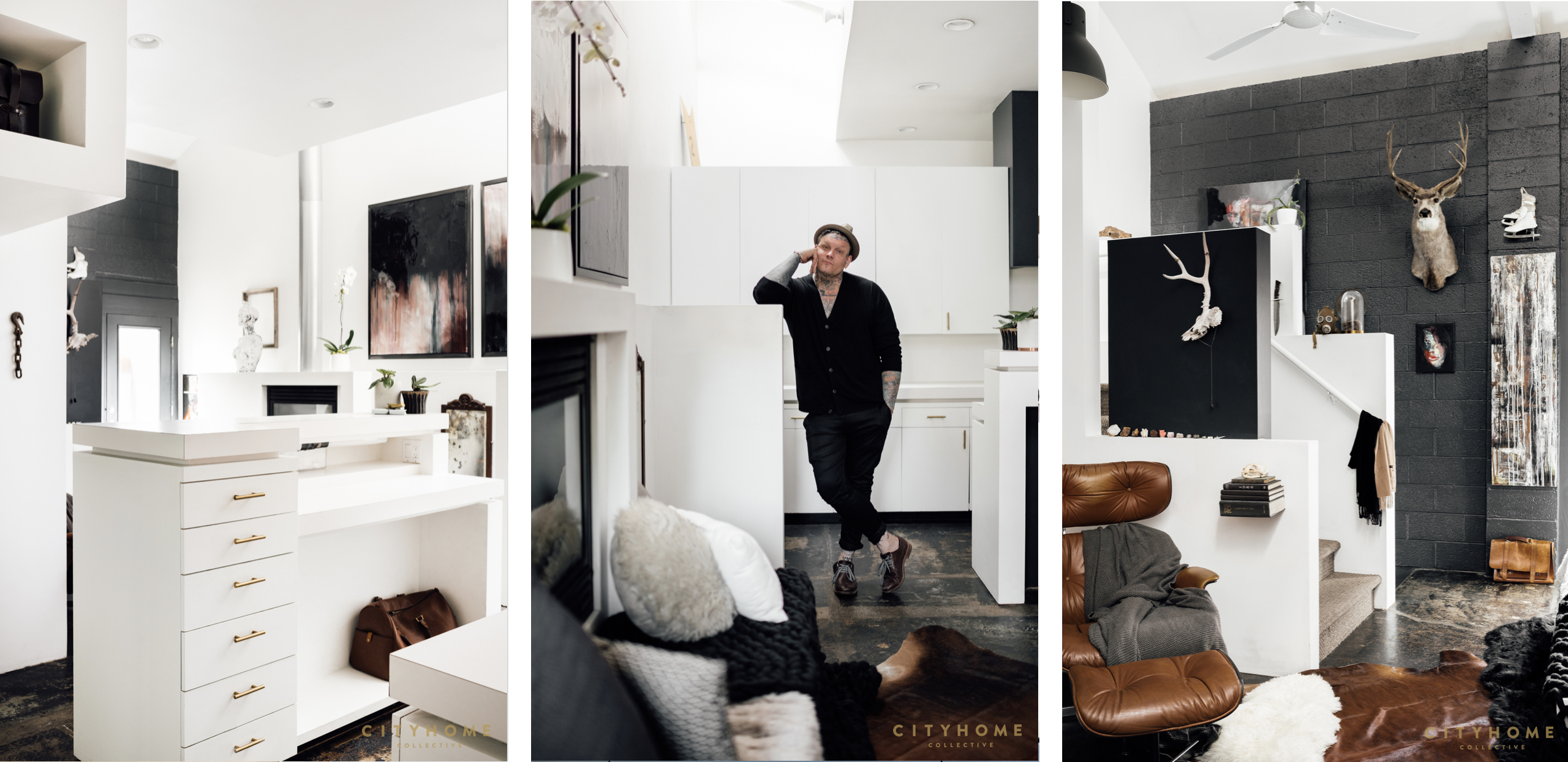
Recently, we checked in with one of cityhome’s OG real estate agents, Mark Seely. In addition to being one helluva home consultant for over a decade, many may know Mark’s work in fashion design, and as a conceptual multi-media artist, photographer, and painter. For this feature, cityhome founder Cody Derrick sat down with Mark to chat about his converted Central 9th commercial building that has served over the years as a small warehouse, storefront, and showroom. In the 13 years Mark has lived in the space with his beloved diva of a dainty dog, Edie, he’s cultivated an always-evolving art installation and revolving collection of curiosities.
Our “quick interview” about space and why he loves it so damn much turned into a couple-hour-plus convo about life, death, art, bourbon, old dogs, fashion, existential crises, commitment, and what makes the world go ‘round. (Short answer: Love.) Here’s a very abridged peek into Mark’s uniquely suited casa filled with oddities…
Cody Derrick: So, tell us a bit about the bones of your space.
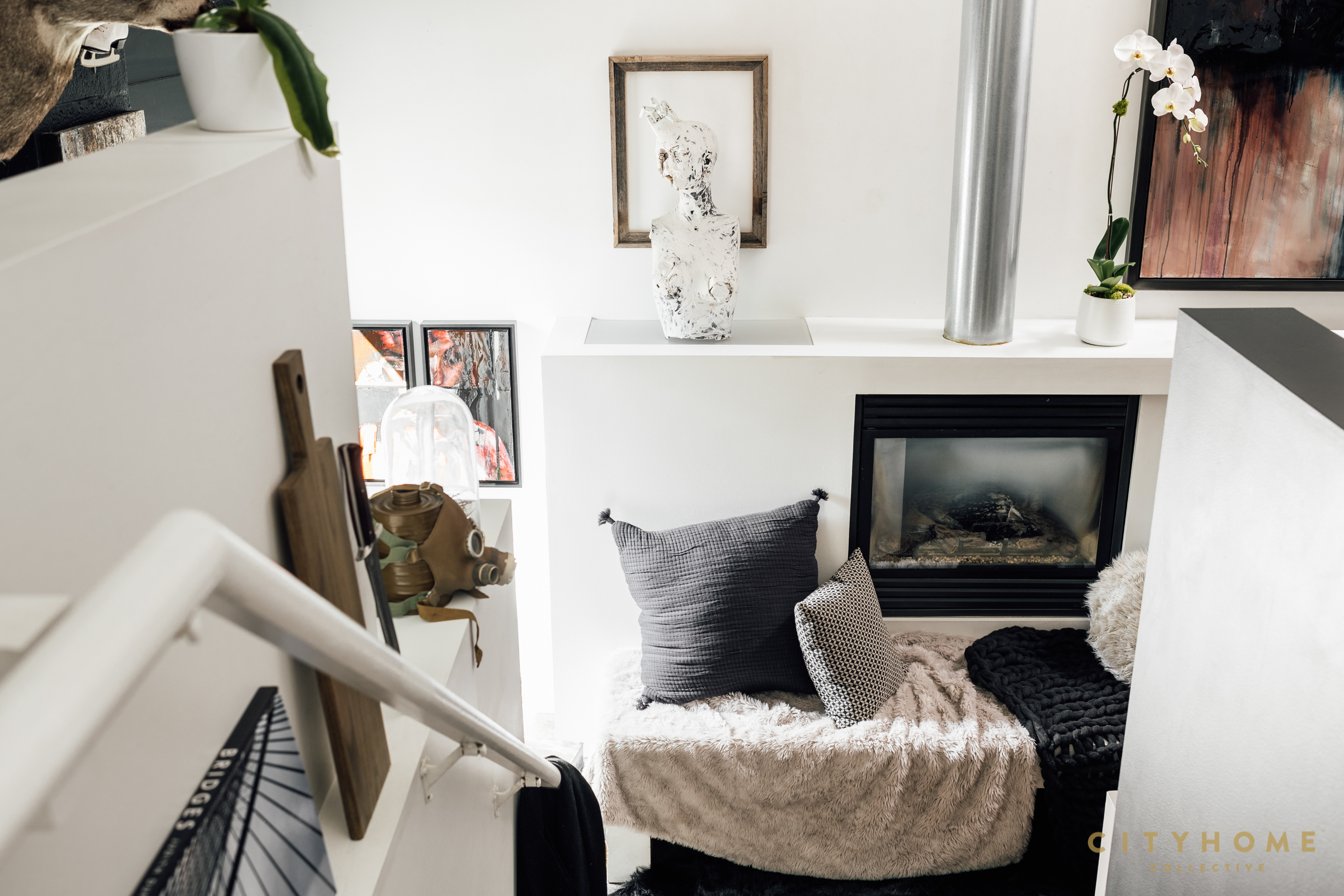
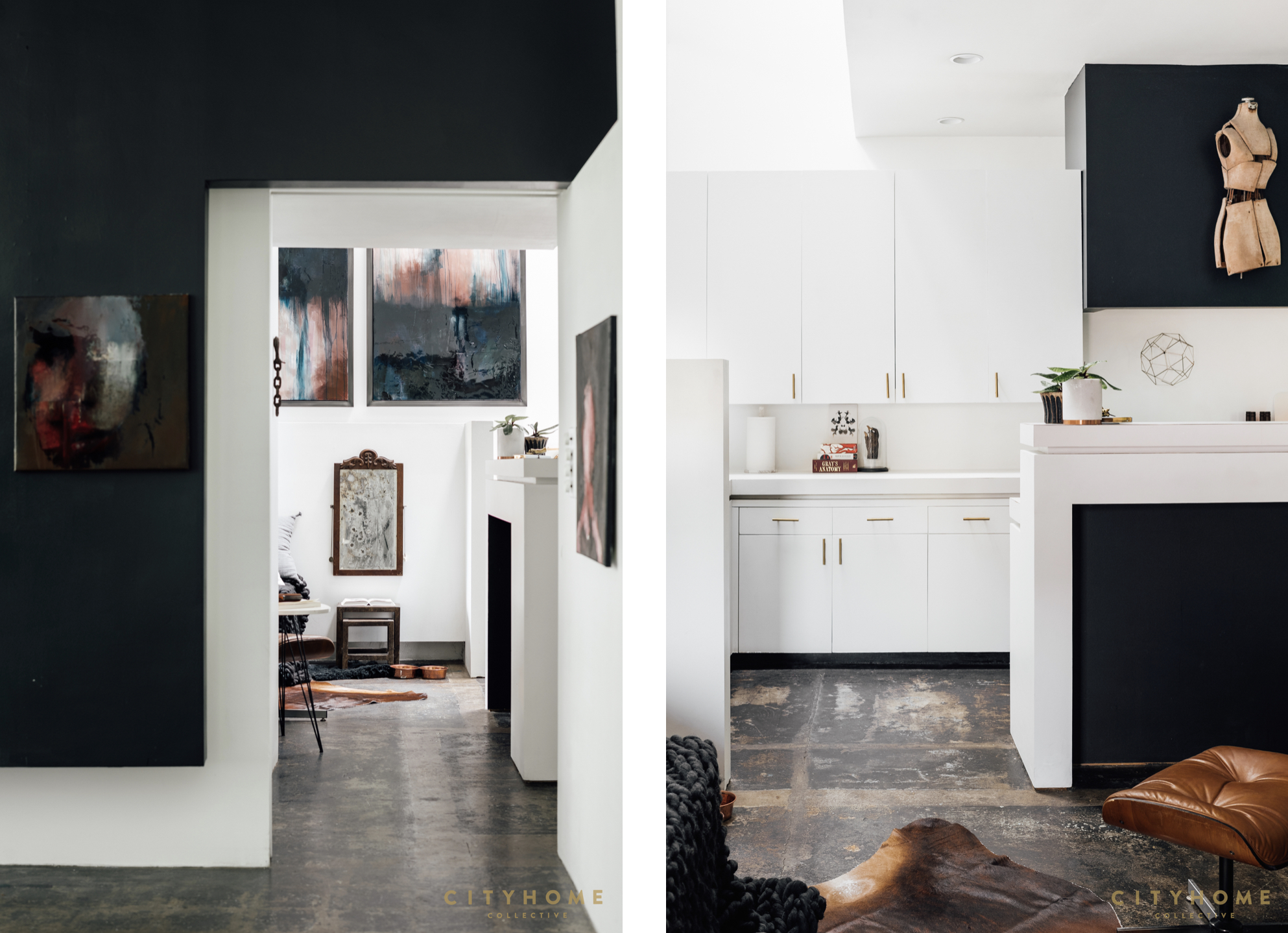
Mark Seely: This building was built in the 40s and was set up with a showroom front and a warehouse posterior, with my unit utilizing half and half. The front is my gallery/studio, and the back yields a soaring ceiling for my living space and loft. A mutual friend, Erik Steffensen, did the residential conversion, and broke things up with a keen eye for light, purpose, and presentation. All the walls are situated for display, and each nook for collections of fun little things. The long and short of it is that you can still see the history that exists here, the way things used to be as an industrial space in juxtaposition to clean and sleek modern design.
CD: Yeah, we both dig the history of places and objects. Weaving ancient and modern elements.
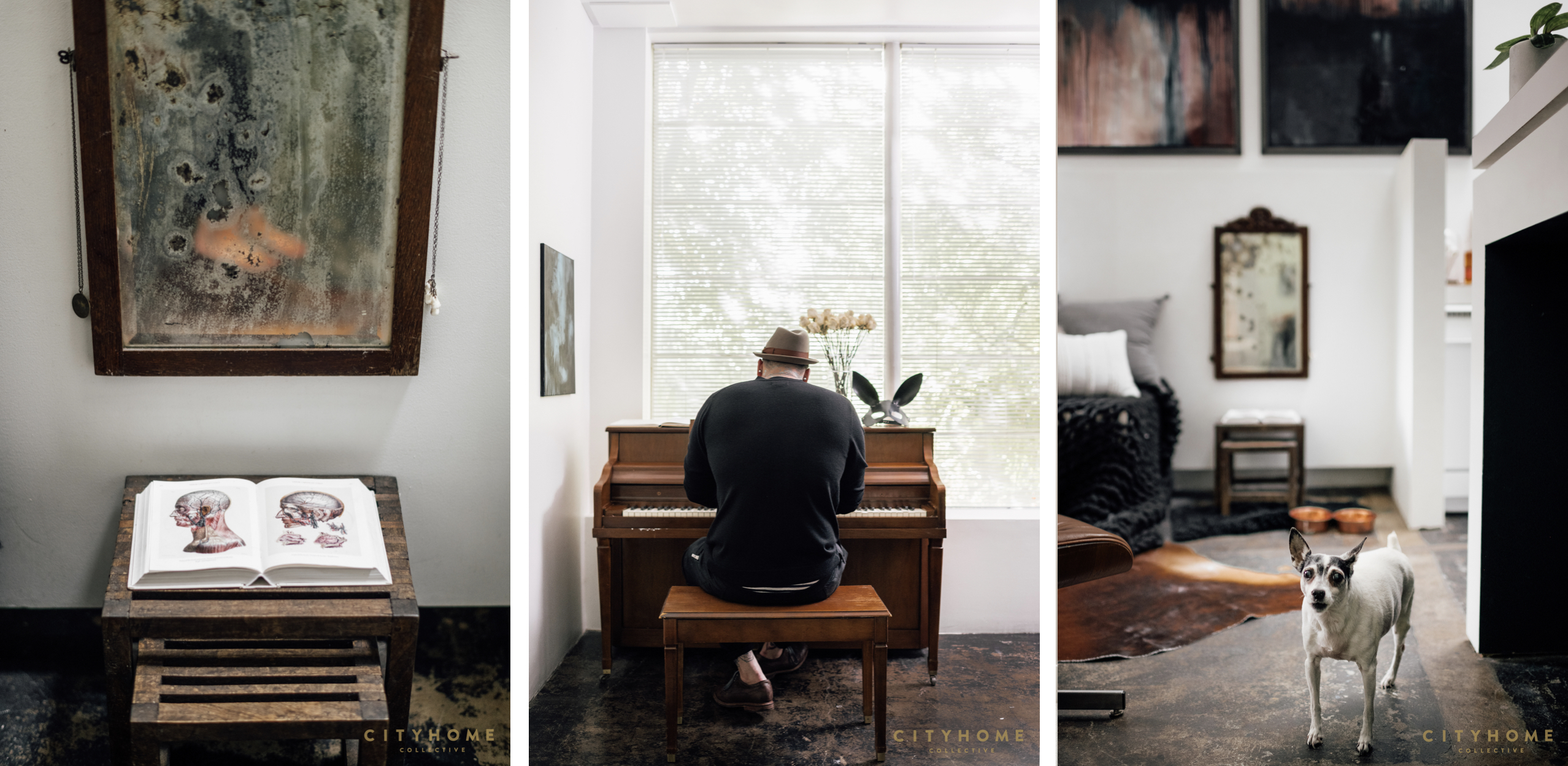
MS: There’s so many little pieces, little objects, that take up a lot of space here and there. Taxidermy and found objects. All the dirty, pretty things. I’m in love with deeply personal items that are representative of people who are important to me, history, and art. Everything here has a very specific story and meaning, and that’s related to where I’ve placed it. I like things that have experienced life and that aren’t perfect. The wabi-sabi notion of beauty.
CD: And books. Especially old ones, right?
MS: Yes, and always books, like Ginsberg or a vintage Grey’s Anatomy. Bukowski to photography. I love to have books everywhere. If you sit down and you’re in the kitchen or wherever, you should be able to reach out and pick up a book. I’ll pick up something and read it for 10 minutes, starting somewhere in the middle or whatever. I’m a bit of a goldfish in that regard. I am always seeking inspiration and will often paint or write throughout the day.
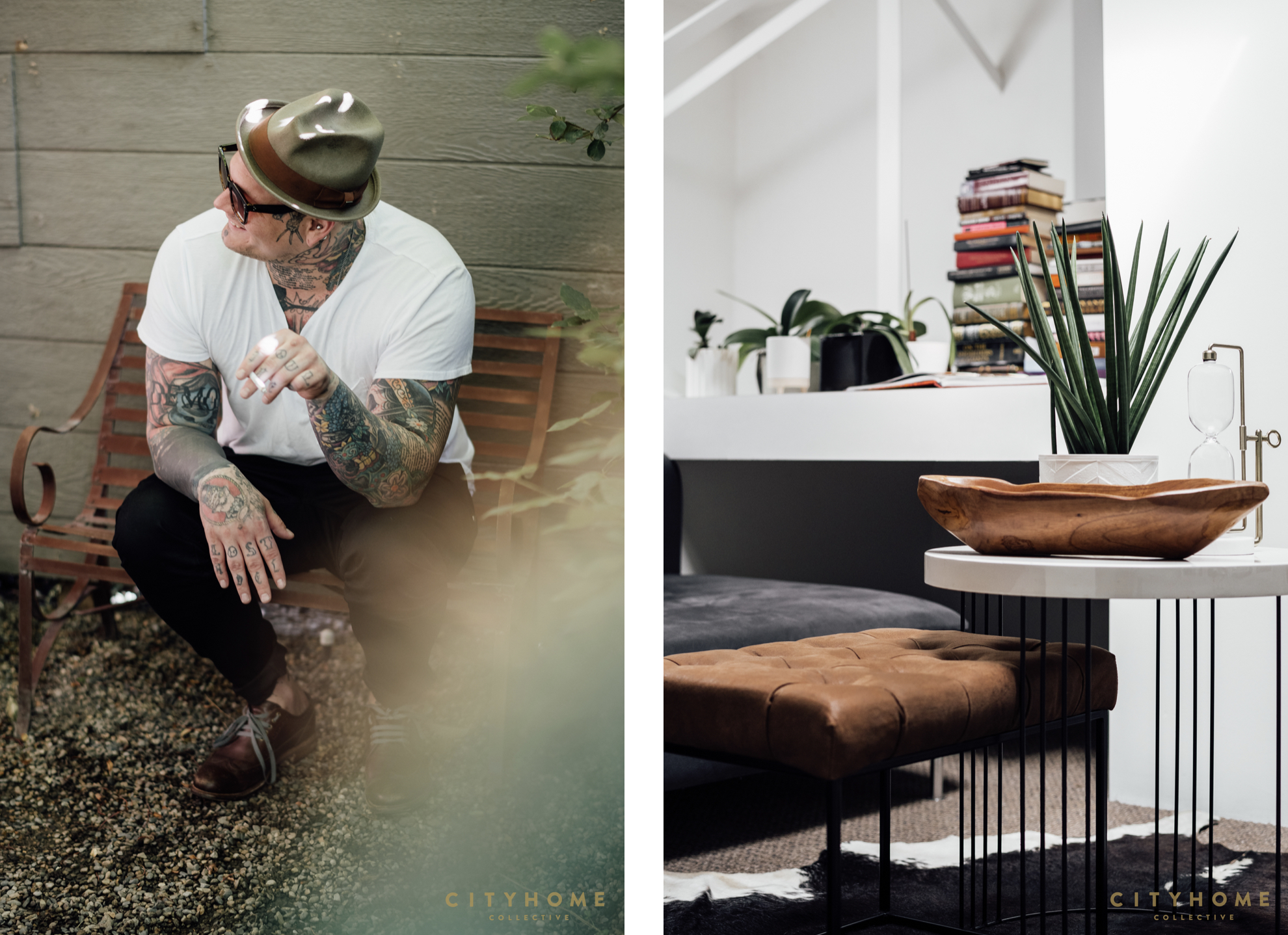
“Edie and I are very fond of late-night walks, stumbling around, listening to music, soaking in the riff and the raff, taking photos, writing poetry.”
CD: It sounds like you get pulled back into your art whenever you are inspired, which is often.
MS: Constantly. It’s fantastic to have immediate access. It’s like bringing your work home all the time; I’m constantly poking at and reassessing my art.
CD: So, you were doing the whole live/work thing long before Covid.
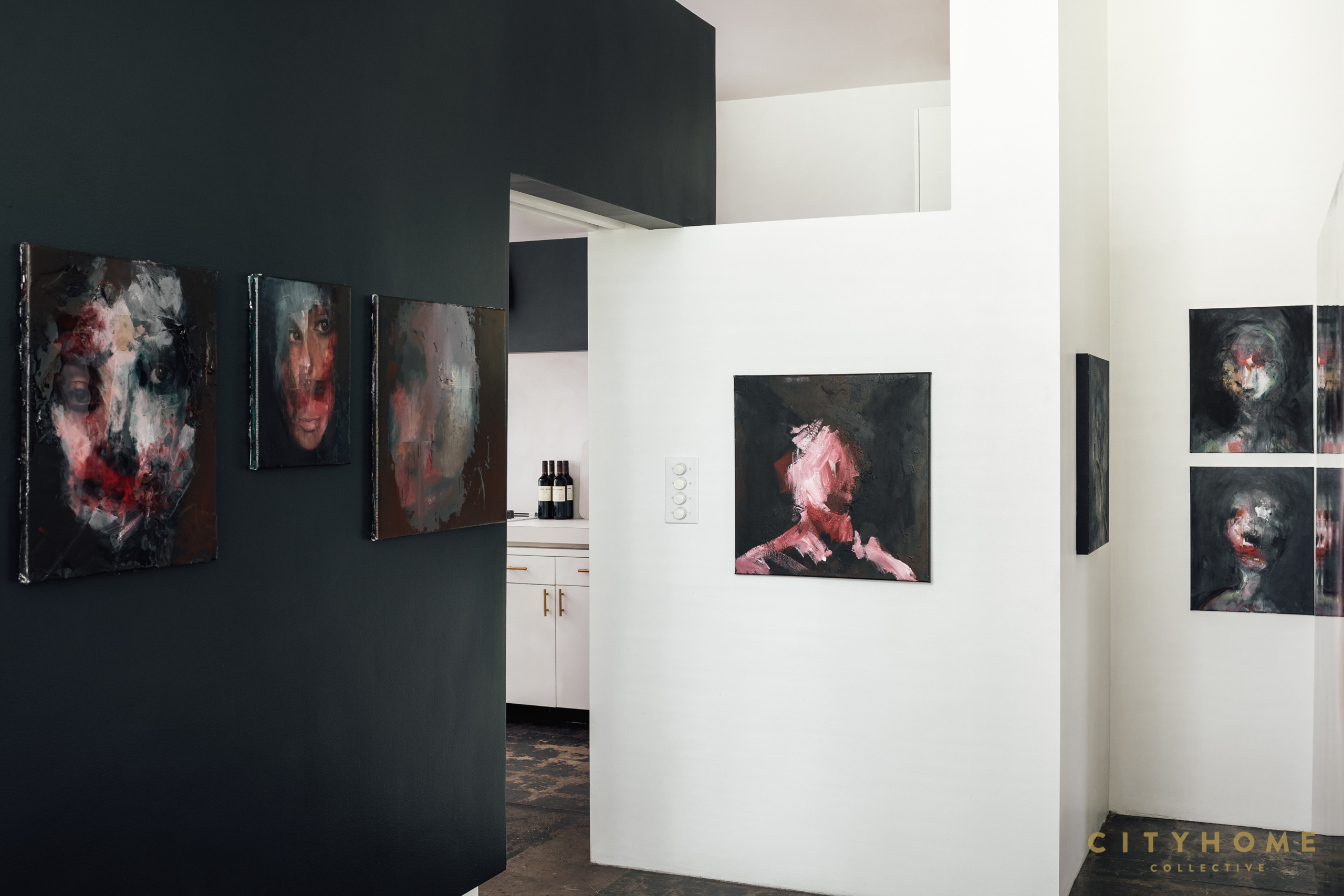
MS: I have shown work at other art galleries over the years [before purchasing this space], and it always seemed like a good business move to have my own studio space to be able to paint where I live. Have my own gallery space to present art when I want to and the way I want it. Now, I really only do shows here once or twice a year. Most of my focus is on galleries on the coasts, or I work directly with collectors.
CD: And you’ve been successful in real estate for over ten years. How do you fit it all in?
MS: 13 years! Almost all my creative activity is night based, leaving my days open for working with my real estate clients. The whole Batman/Bruce Wayne scenario. I’m definitely a night owl, though, so mornings are rough for appointments. Edie — my three-legged 14-year-old fox terrier — and I are very fond of late-night walks, stumbling around, listening to music, soaking in the riff and the raff, taking photos, writing poetry.
CD: What have you learned from living in this space, and what kind of advice do you have for people who may be considering the leap to a unique or non-traditional living space?
MS: Your space is like clothing; everyone will wear it differently. I think that no matter where you are, you can transform it, right? You can make a space your own and it doesn’t take a lot of money to make it a brilliant, significant space to you. A home is bullshit without loved ones in it. The most important part is that it’s interesting to you and suits the way you want to live.
Contact Mark here | Find Mark’s art here