Like many of us, I’ve weathered a few years of massive upheaval. The shape of my life and the shape of my home has changed radically. I spent nearly two decades living in a house in the suburbs in the south end of our Salt Lake Valley. It was a home I valued for its fortress like privacy that fostered a sense of closeness and sanctuary from the wider world as I raised a young family. Shutting everything else out felt like the point.
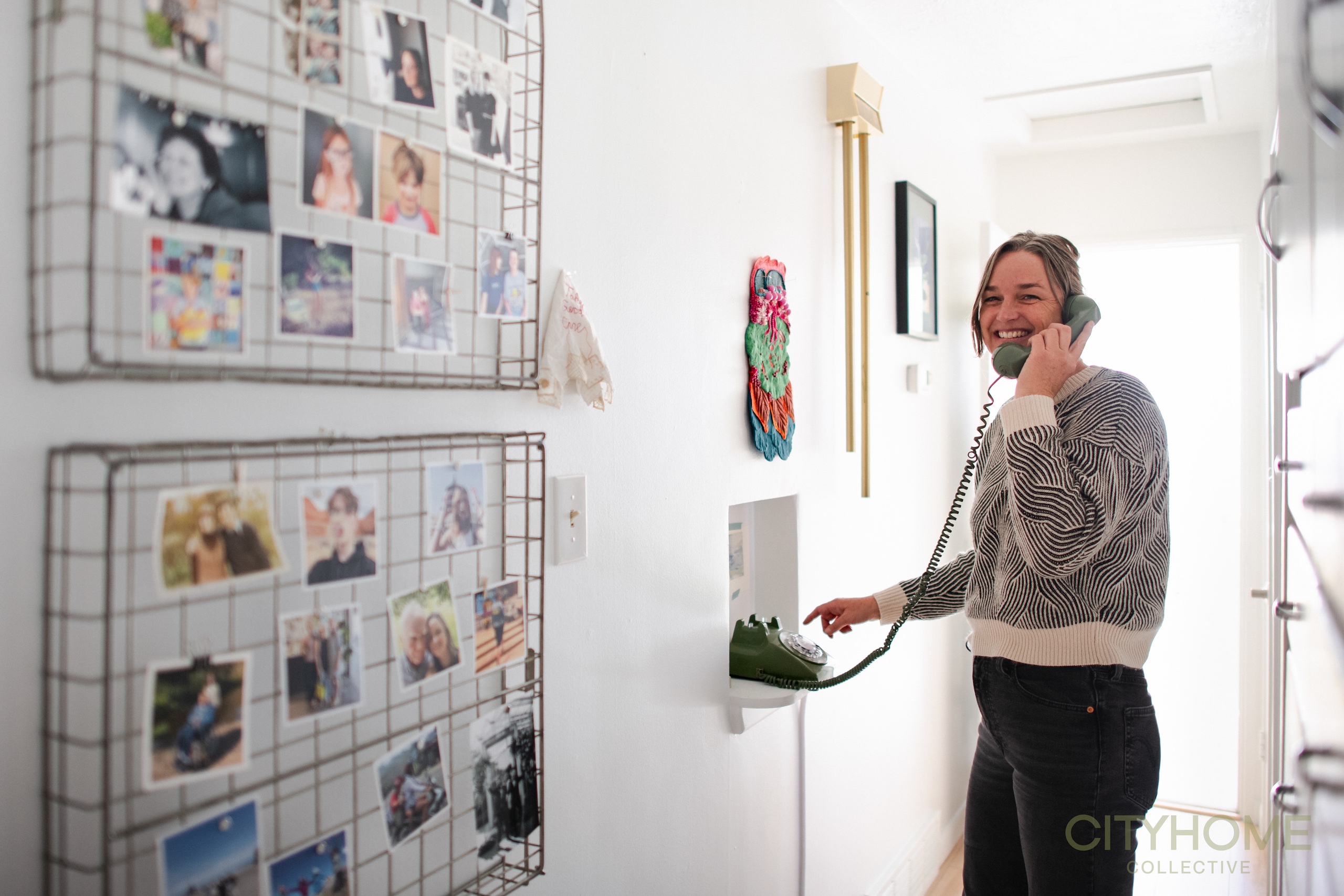
As I transitioned out of the 24/7 phase of parenting and eventually got divorced, I found myself seeking a new kind of home—one just for me. It is a strangely disorienting thing to live alone for the first time at 50 years old, but it has also proven clarifying and a reminder of the beautiful ways that our homes and the spaces we create are always contextual—responsive expressions of the relationships we cultivate with ourselves, with our community, and with the surrounding land where our homes reside.
When I was looking for my new solo spot, I held the question how do I want to live now? close. A strange answer bubbled up: I want to widen my circle of care. I want my home to support my ability to stay grounded, bright, and vital so I can extend myself out further to support others and tend to their Spirits that are so often dulled by disease and emotional pain. I realized I didn’t want to find another fortress, I wanted to find a lighthouse. I didn’t want a home built to shut the world out, I wanted one that helped me to invite it in.
It makes me catch my breath the way life rose up to meet my intentions!
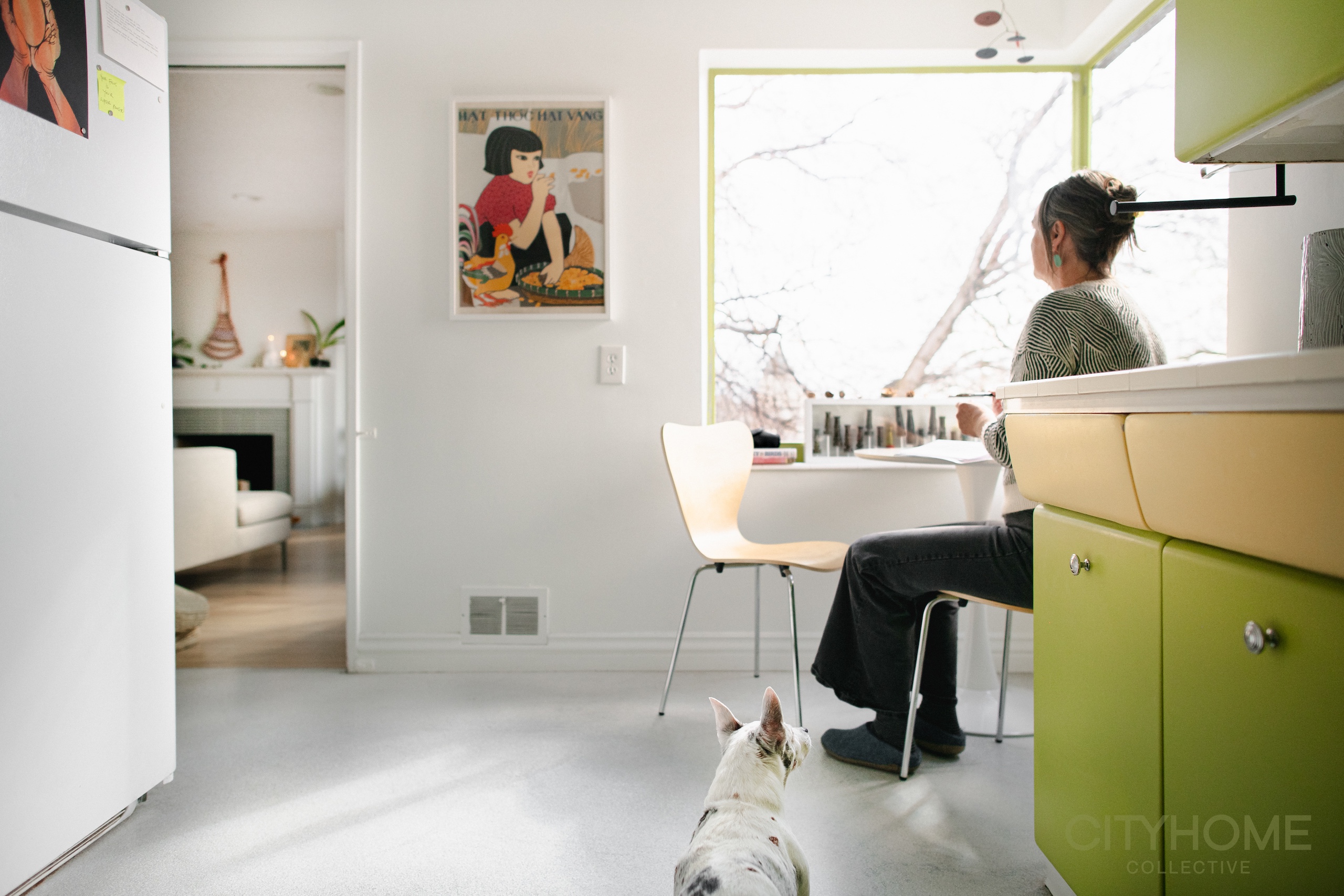
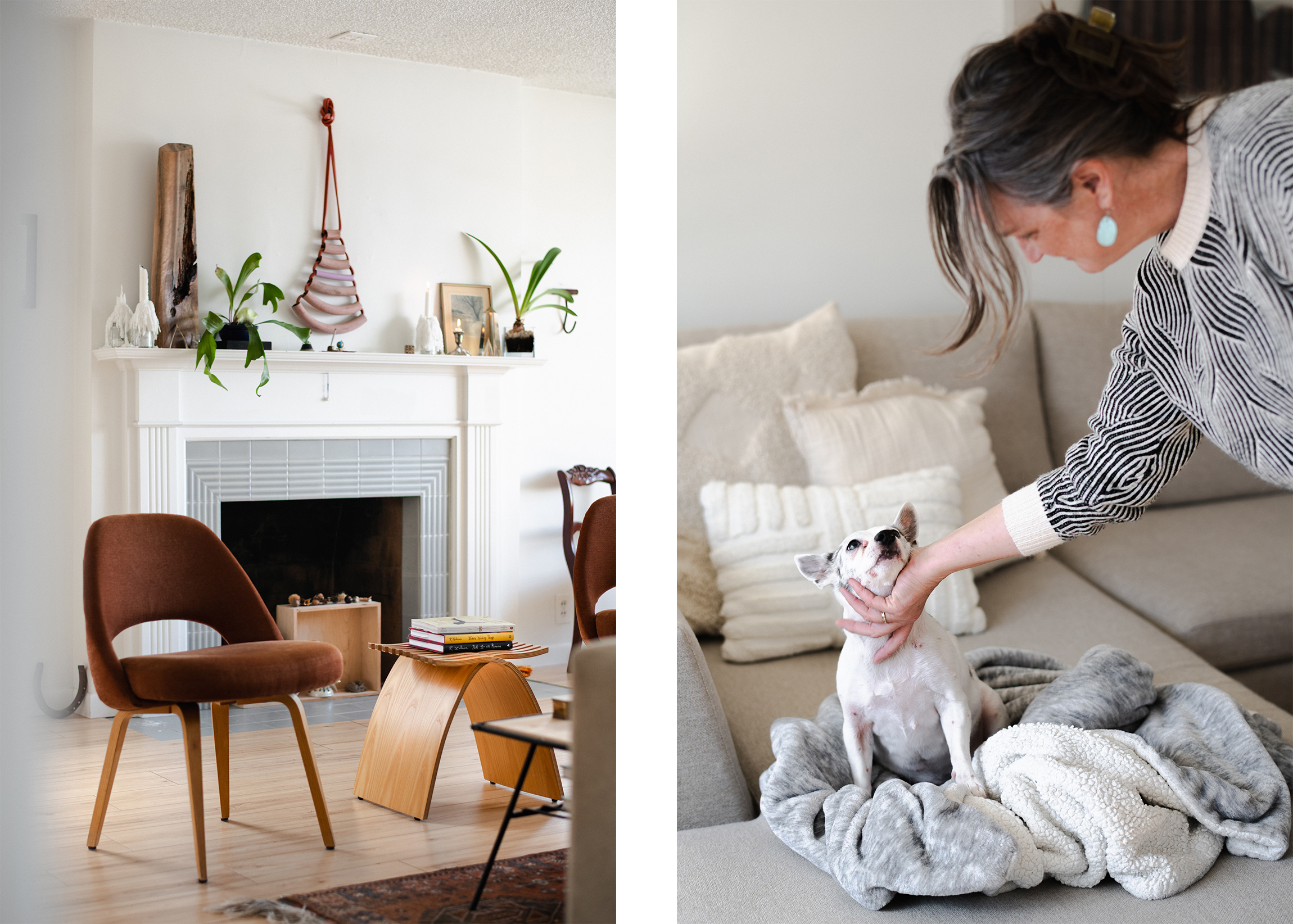
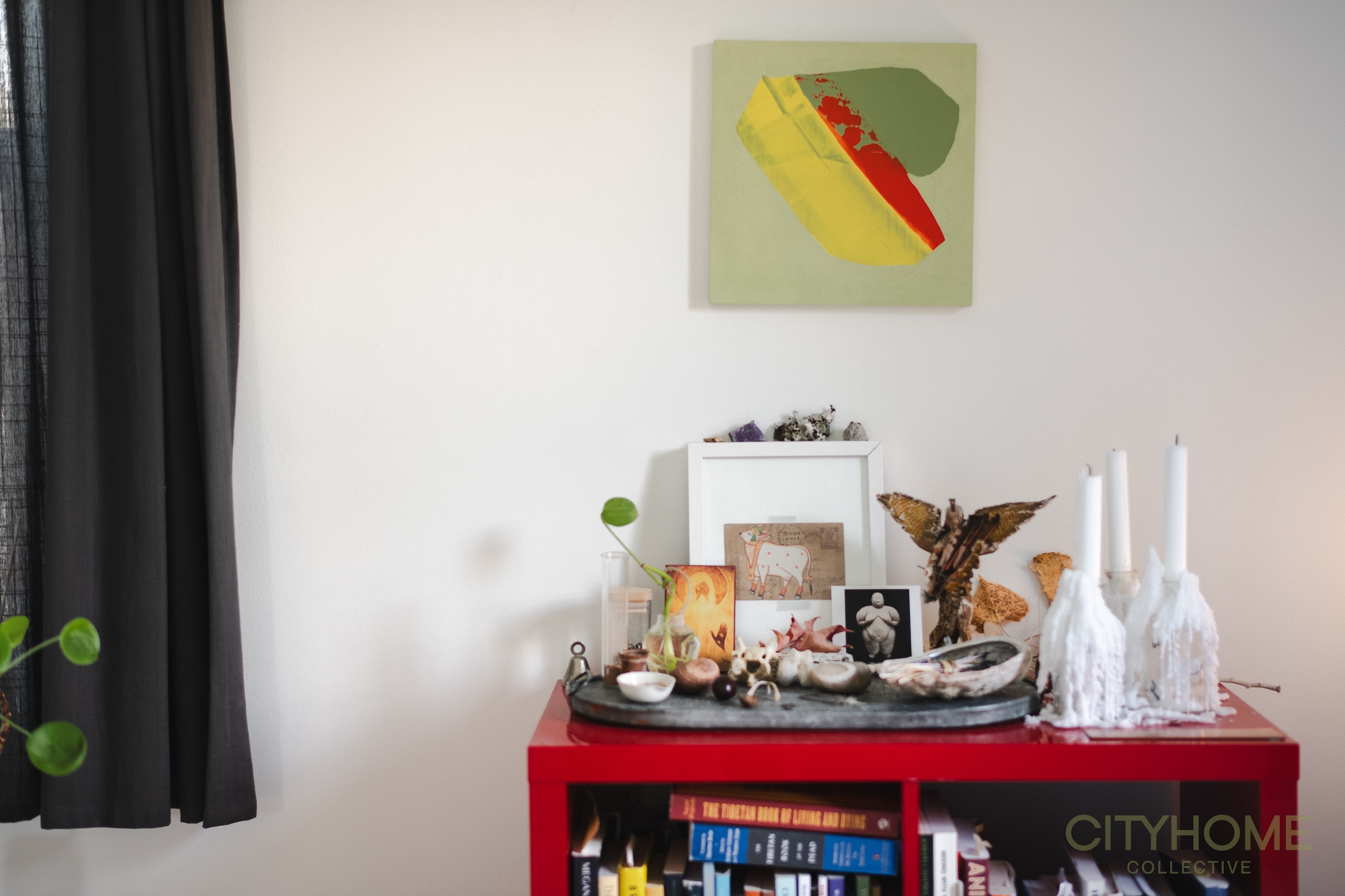
My home now is perched atop Capitol Hill, an area I consider to be the crow’s nest of our valley with views in all directions. This sense of expansiveness has widened my own life’s perspective and encouraged me to dream bigger. My interior space is bright and gives me the feeling that I am harvesting light as I trace the sun’s path dawn to dusk and season to season from my windows. I have a dedicated room for 1:1 healing breathwork sessions where I invite others in to release the heavy heart and body burdens they carry from a lifetime of every day living. And I appreciate the way my main hang space has a hearth and sturdy mantle at center, something that feels symbolic and supportive of the slow past-times my lifestyle craves—meditating, candle gazing, reading, looking at and making art, writing, and visioning what the people in this community that stretches out all around me need.
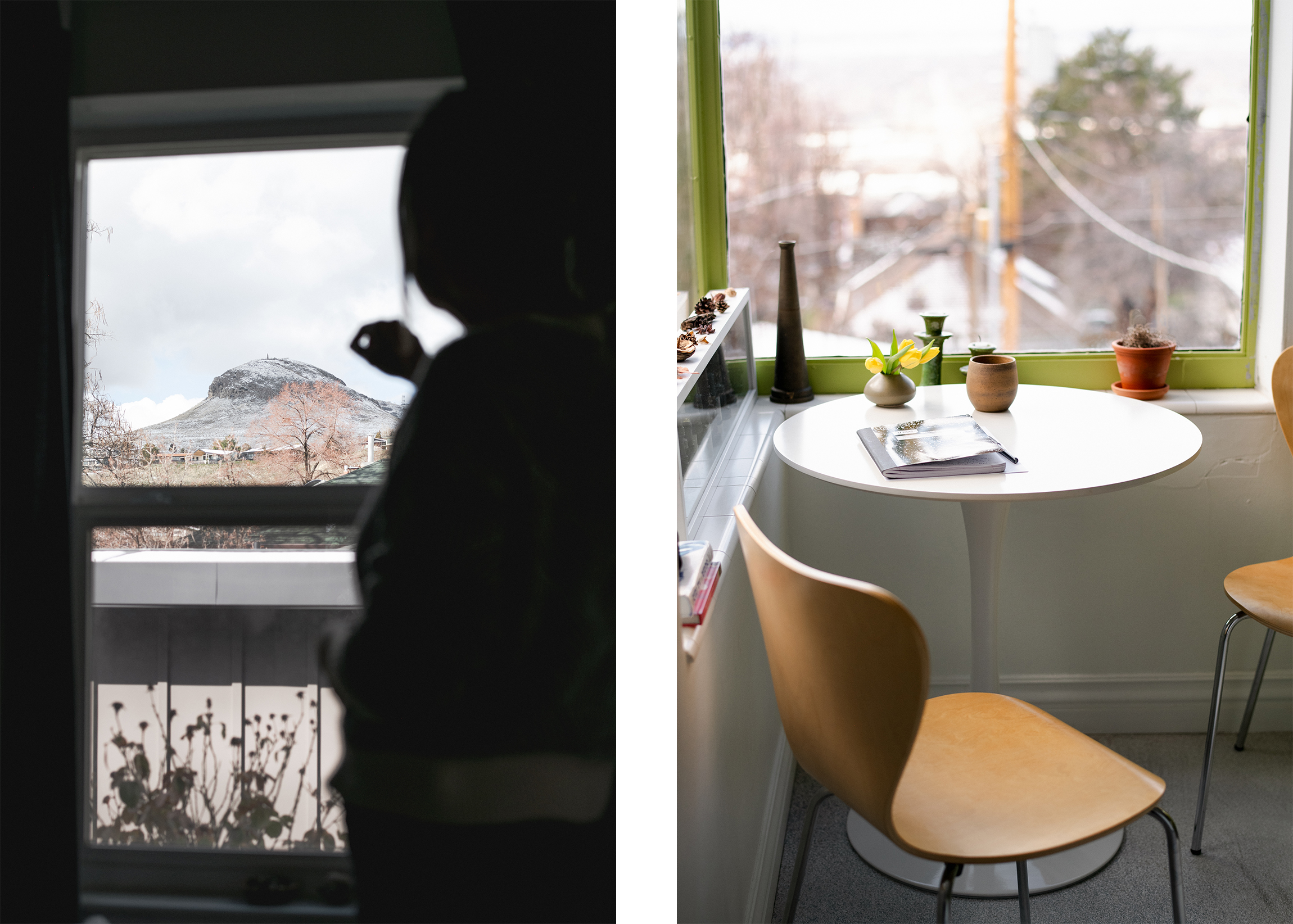
My work in the world since becoming a chaplain has centered on creating offerings that help restore connections to self, land, and each other. That’s been my short answer to what the people need. Maybe it was an effect of being more grounded and solitary in my new home, maybe it was the desire to explore my new neighborhood, but I felt a pull to the hill (the big toe of the Wasatch its been called) that is Ensign Peak and started walking up to it regularly. I felt inspired by the accessibility of this landmark-just 10 mins from downtown and a moderate 1/2 mile hike up to meet dazzling 360° views. Ensign Peak was literally the spot the early LDS pioneers came to proclaim that this was the place from which to envision and build their community.
Regardless of specific religious affiliation or belief, I fell in love with the idea that Ensign Peak holds a legacy of being a place that honors the human longing to come together around shared values to build a hopeful future. It felt like a perfect place to honor and reclaim for our time, which feels so in need of visioning new ways forward and building stronger community ties. And so the Wayfinders Walk was born as my latest community offering. The basic gist is that it is a community pilgrimage, a unity building, land praising, spirit tending weekly walk from 8:00am to 9:00am up Ensign Peak beginning on Sunday, March 22 (spring equinox) and culminating on the summer solstice on June 21. Free to all and open to anyone willing and able to walk, it will be an opportunity to come together, to remember what unity feels like in our bodies, and to gather our light and gain new perspectives of ourselves, each other, and what’s possible.